By Paul E. Robinson on February 12, 2015
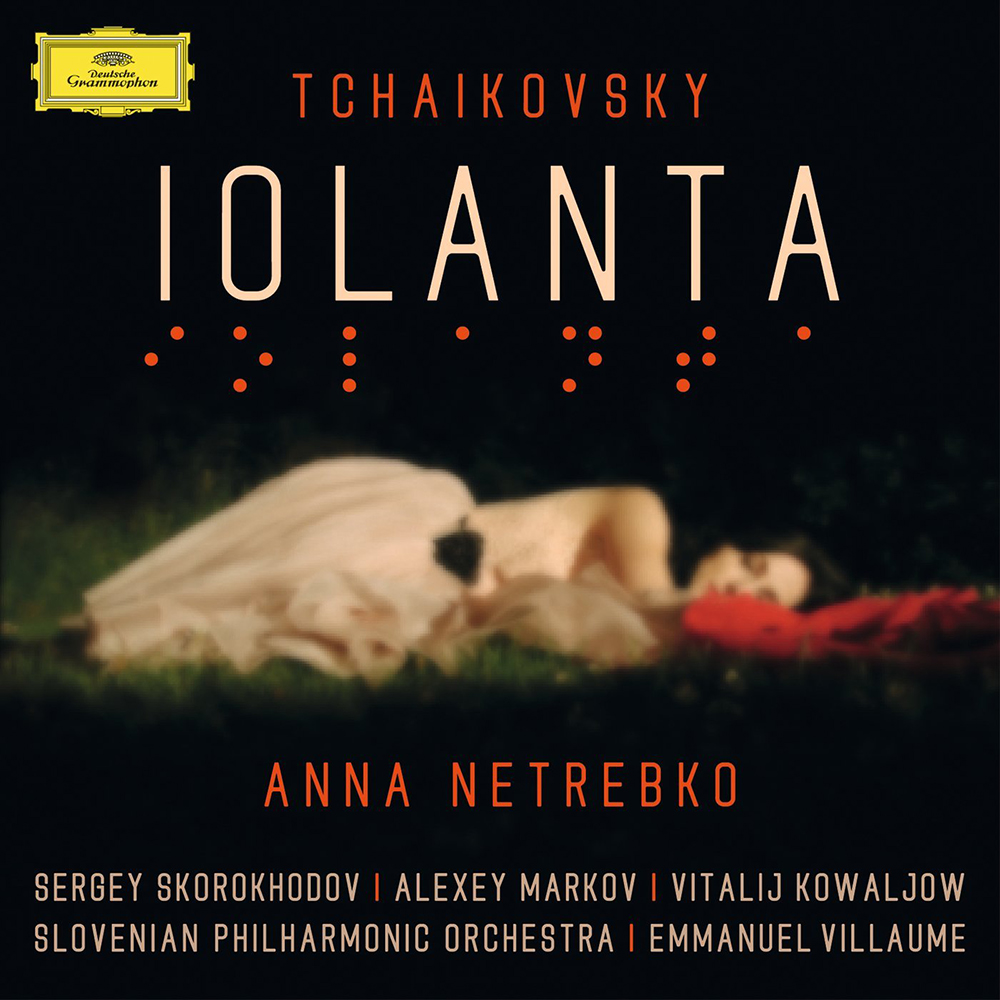
Tchaikovsky wrote ten operas, but only two of them, Eugen Onegin and Pique Dame, are performed with any regularity in opera houses outside Russia. His last opera, Iolanta, composed just before the Pathétique symphony, has recently received a good deal of attention, thanks to Anna Netrebko’s interest in it. In addition to being the subject of this new recording starring Netrebko, the opera is currently in production at the Met and will be screened Feb. 14 (encore/Feb. 18) as part of the Met’s Live in HD movie theatre series. Finally, tenor Sergey Skorokhodov will appear in a Dallas Opera production of Iolanta conducted by Emmanuel Villaume (April 10-18)...
(Continue reading)
By Lev Bratishenko on February 10, 2015
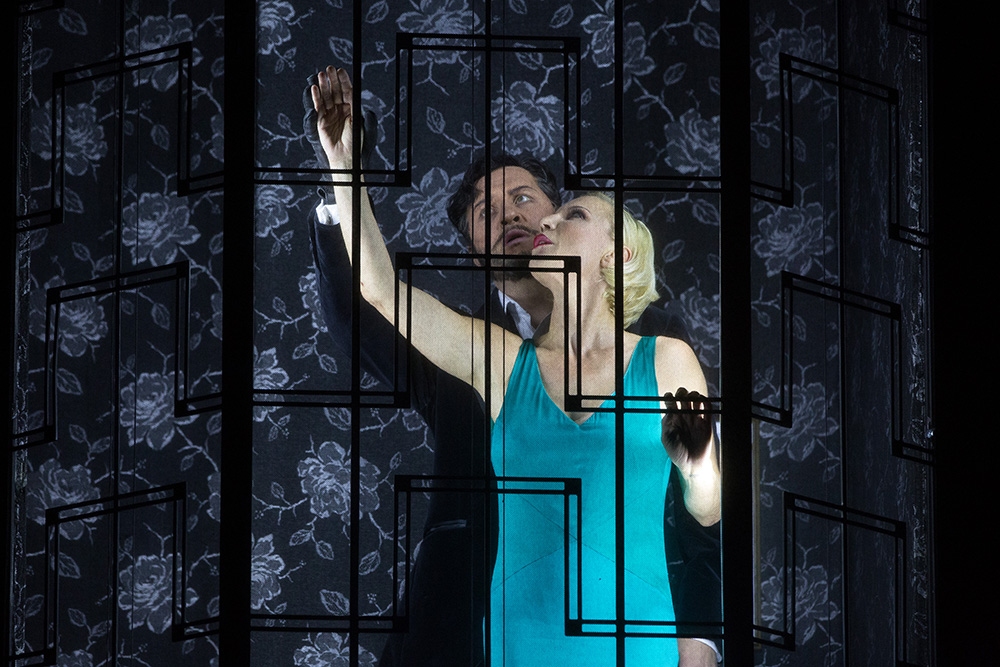
Wear a down parka to the Met in winter for a Slavic double-bill like Iolanta and Bluebeard’s Castle and you feel like the only caveman too stupid to club a mink. A sweet Russian lady handed me her spare with maternal concern, but if I felt any embarrassment it vanished in the dead animal’s embrace, and people stopped staring...
(Continue reading)
By Michael Vincent on February 9, 2015
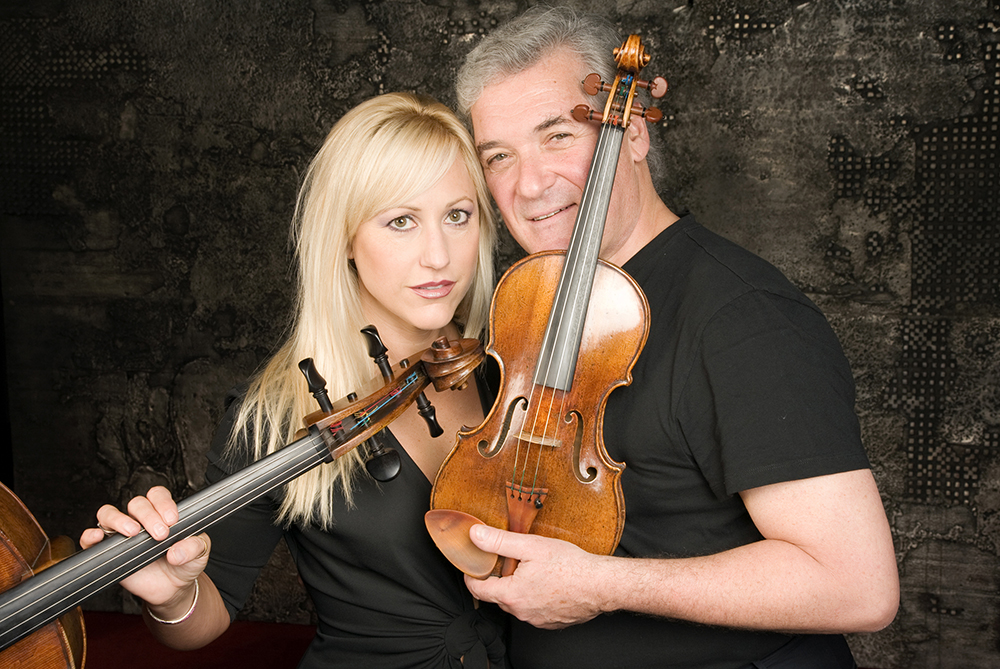
Despite being billed as a concert by the National Arts Centre Orchestra, it really should have been named the Pinchas Zukerman, Amanda Forsyth and Yefim Bronfman show...
(Continue reading)
By Colin Eatock on February 9, 2015

So what was music like in the Austrian court, back in the 1600s? Turns out, it was really quite marvellous – according to the evidence presented in the Toronto Consort’s program at Trinity-St. Paul’s United Church on Friday night...
(Continue reading)
By Neil Crory on February 2, 2015
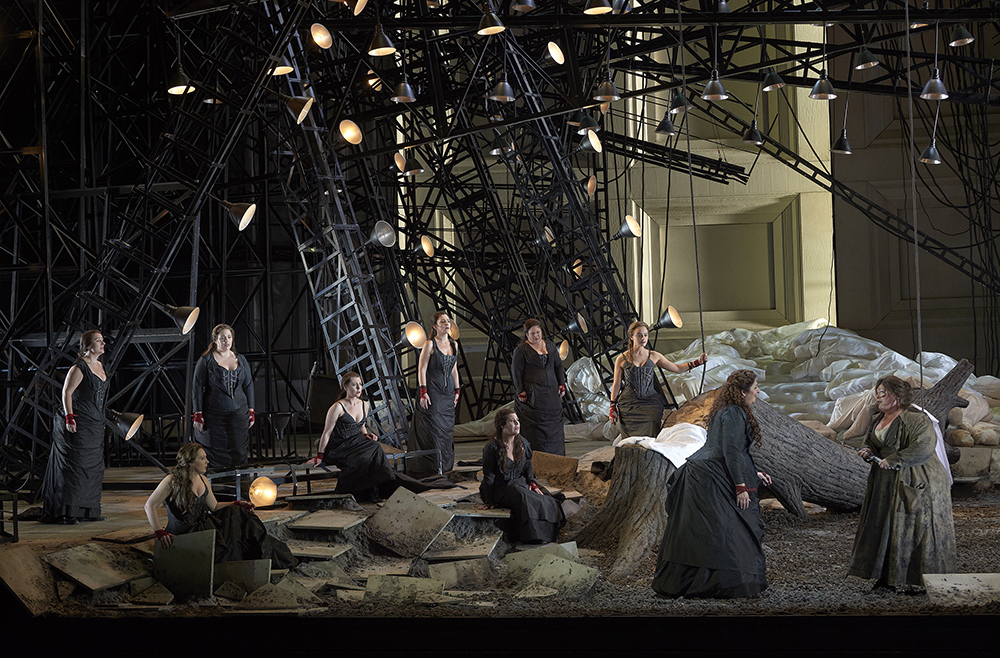
On Saturday, January 31, the Canadian Opera Company officially launched the revival of its lauded 2006 production of Richard Wagner's epic Ring Cycle with seven performances of Die Walküre at the Four Seasons Centre for the Performing Arts. The production runs through February 22nd...
(Continue reading)
By Robin Roger on February 2, 2015

Presumably, the theme for the Feb 1 Syrinx Chamber Music Concert, “Passion, Possibility, and Pleasure” was chosen to dispel some of the deep winter gloom with which music patrons struggle, including the inertia that makes coming to the concert hall a challenge in itself. Passion is warm, pleasure is consoling and both can make these dark days seem endurable, and the possibility of a better season believable. Gathering in the intimate space of Helicon Hall can further create the sense of a community of like-minded music lovers huddling together to warm their spirits by listening to beautiful expressions of anticipation of brighter and happier days...
(Continue reading)
By Tyler Versluis on January 30, 2015
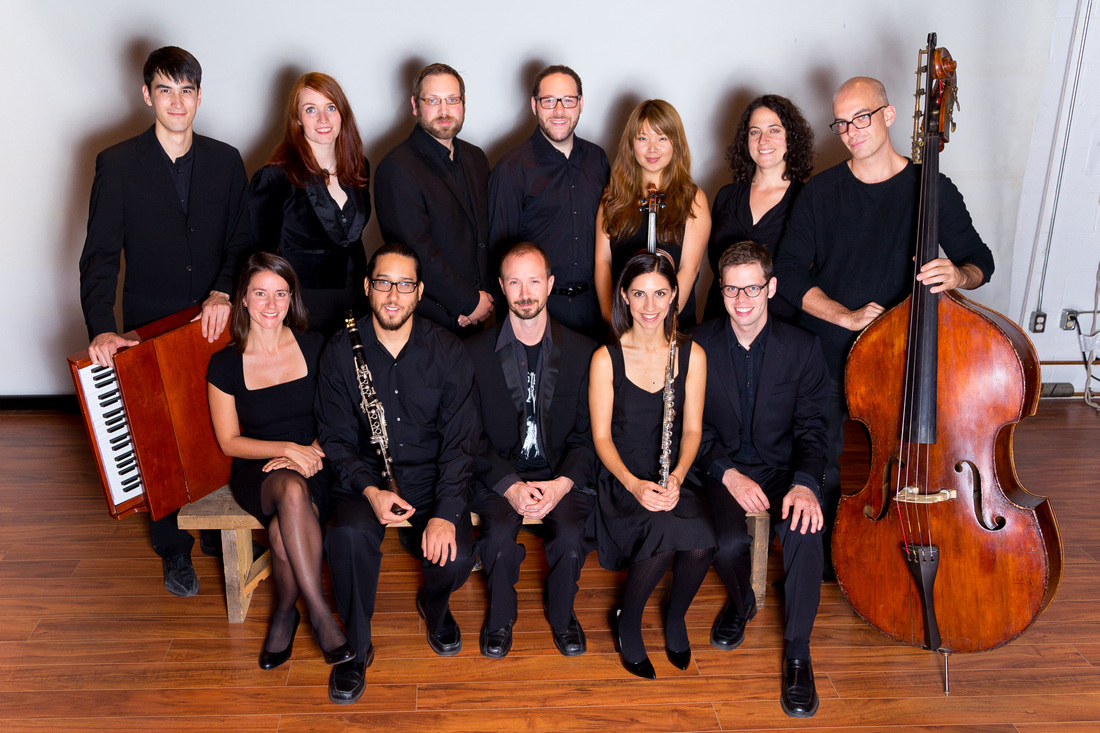
In general, I find the best concert-going experiences are when not only the music is excellent but when the experience delivers a revelation. A presumptuous attitude, perhaps, but I feel this is what divides an entertaining experience from an artistic one...
(Continue reading)
By Michael Vincent on January 30, 2015
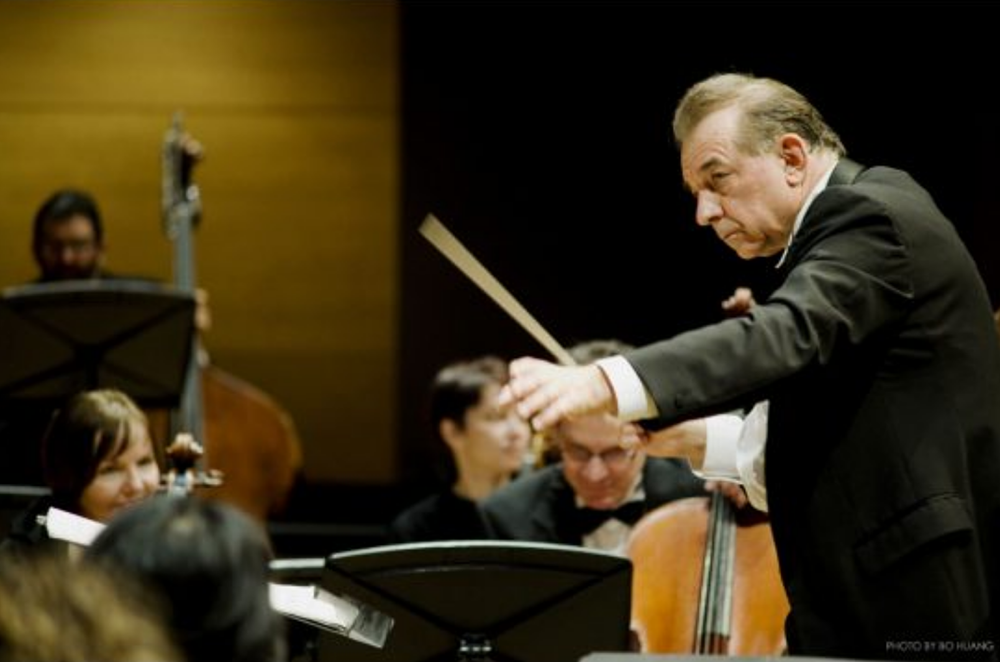
A lot of people talk about how lucky we are to have a boutique orchestra devoted to the performance of contemporary work. And we are. The problem is, Esprit Orchestra only produces four concert per season and, by those numbers, there is a lot riding on every show...
(Continue reading)
By Paul E. Robinson on January 29, 2015
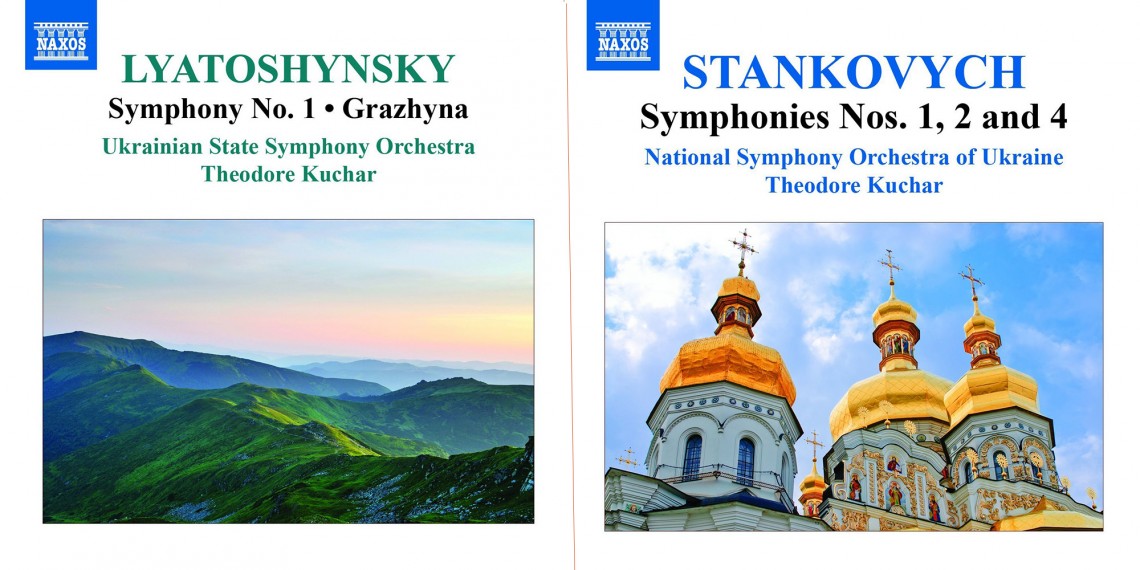
Ukraine has often been in the news lately, and for all the wrong reasons. It is not easy sharing a border with Russia, especially after gaining its independence from the Soviet Union in 1991. Russia under Vladimir Putin resents Ukraine’s aspirations to move closer to the West and has acted militarily to crush them. First it was Crimea and now it is eastern Ukraine. NATO has been acting to support Ukraine but whether its efforts will be enough remains to be seen...
(Continue reading)
By Jay Caron on January 28, 2015
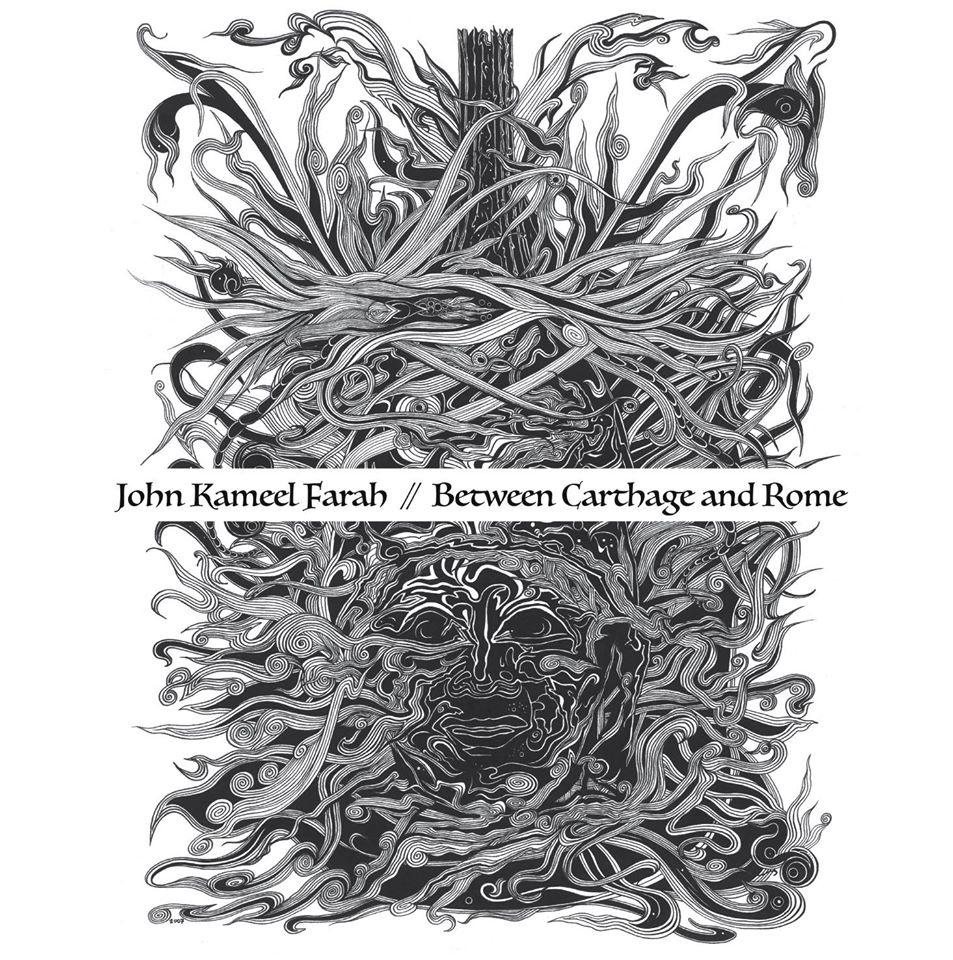
I am always skeptical of what I would call “fusion” composition; I would briefly describe this as taking the harmonic language, rhythms, or instruments of some non-western culture, or the elements of a popular music genre, and unceremoniously shoving them into the context of western art music. This could perhaps be analogized as mixing water and oil; things that are, on their own, valuable, but which resist amalgamation. The result can often leave me wondering whether greater care could have been taken to present each separate element in its best light. It is a technique dangerously prone to superficiality...
(Continue reading)