By Robin Roger on February 2, 2015
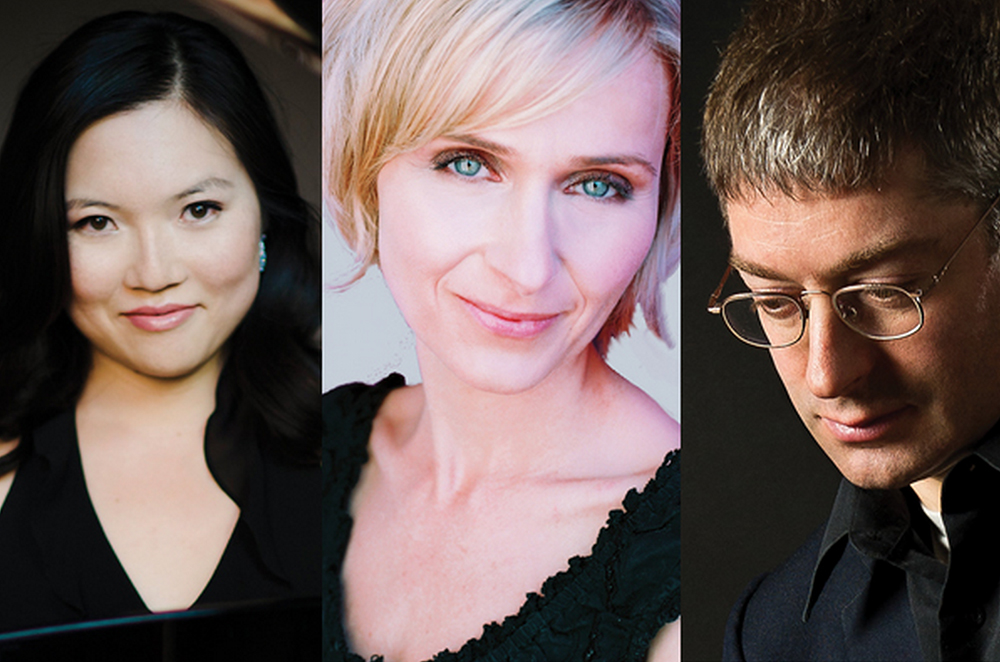
Presumably, the theme for the Feb 1 Syrinx Chamber Music Concert, “Passion, Possibility, and Pleasure” was chosen to dispel some of the deep winter gloom with which music patrons struggle, including the inertia that makes coming to the concert hall a challenge in itself. Passion is warm, pleasure is consoling and both can make these dark days seem endurable, and the possibility of a better season believable. Gathering in the intimate space of Helicon Hall can further create the sense of a community of like-minded music lovers huddling together to warm their spirits by listening to beautiful expressions of anticipation of brighter and happier days...
(Continue reading)
By Michael Vincent on January 23, 2015
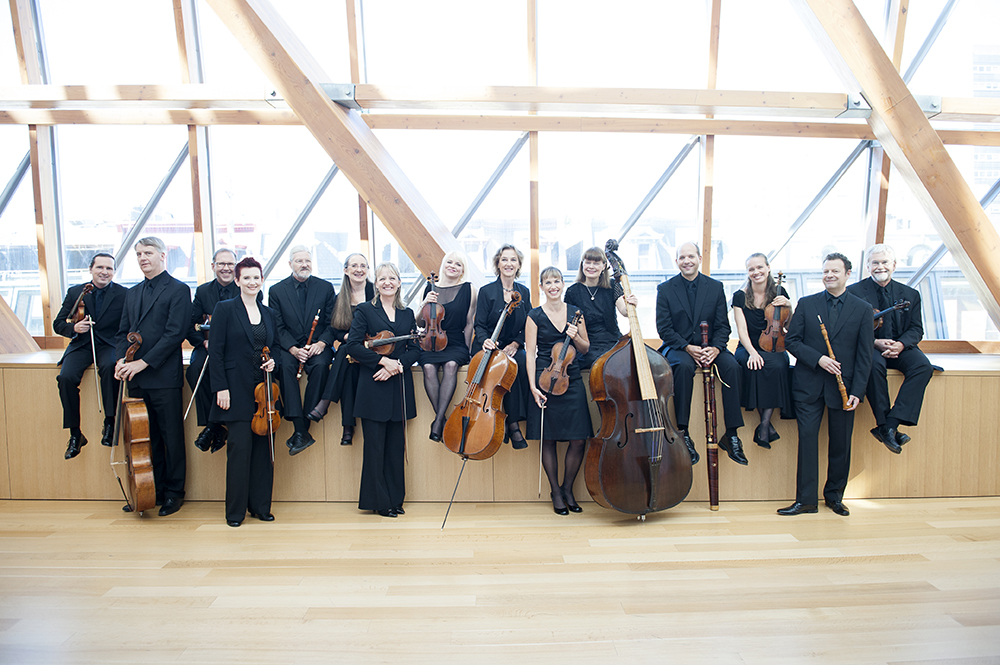
Over the last quarter-century, the Tafelmusik Baroque Orchestra has enjoyed the kind of PR that other arts organizations can only dream of. But to compare it with other orchestras is unfair, or is it?
(Continue reading)
By Menon Dwarka on January 23, 2015
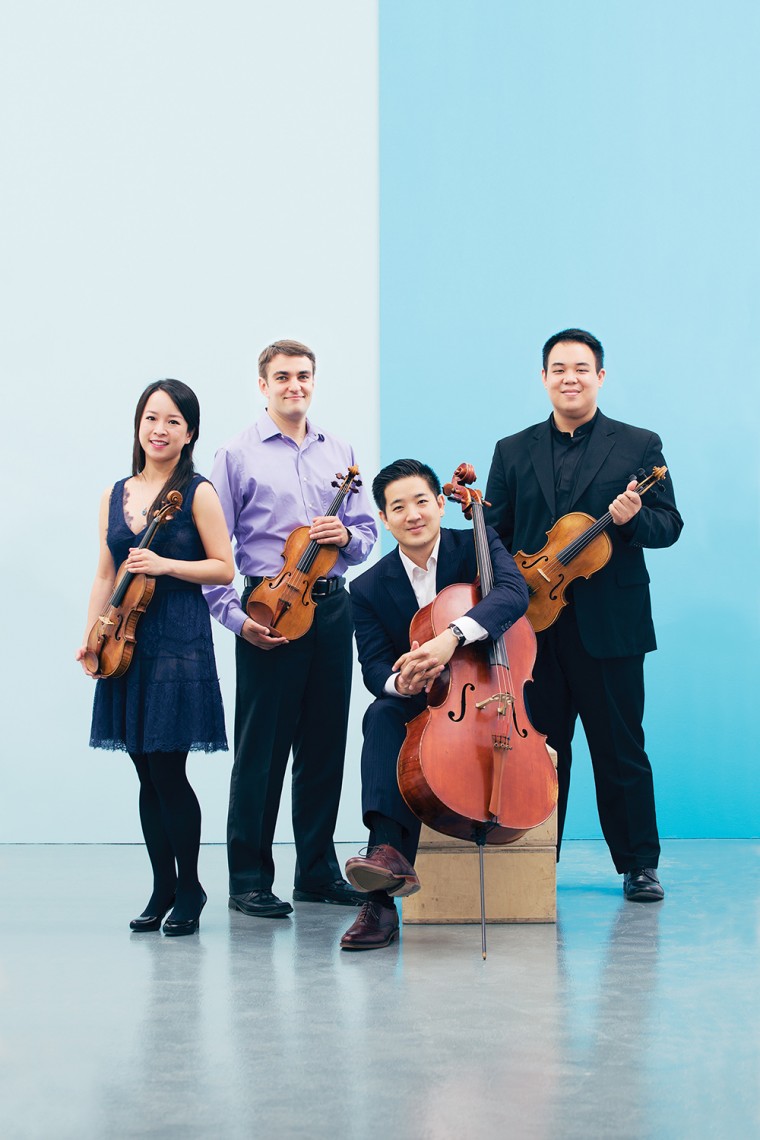
The Afiara Quartet has one of those reputations that immediately make them suspect. There’s an almost universal stamp of approval for what they do, from festival, schools, and various other cultural institutions, that one might suspect them of being little more than masters of political machinations...
(Continue reading)
By Colin Eatock on January 21, 2015
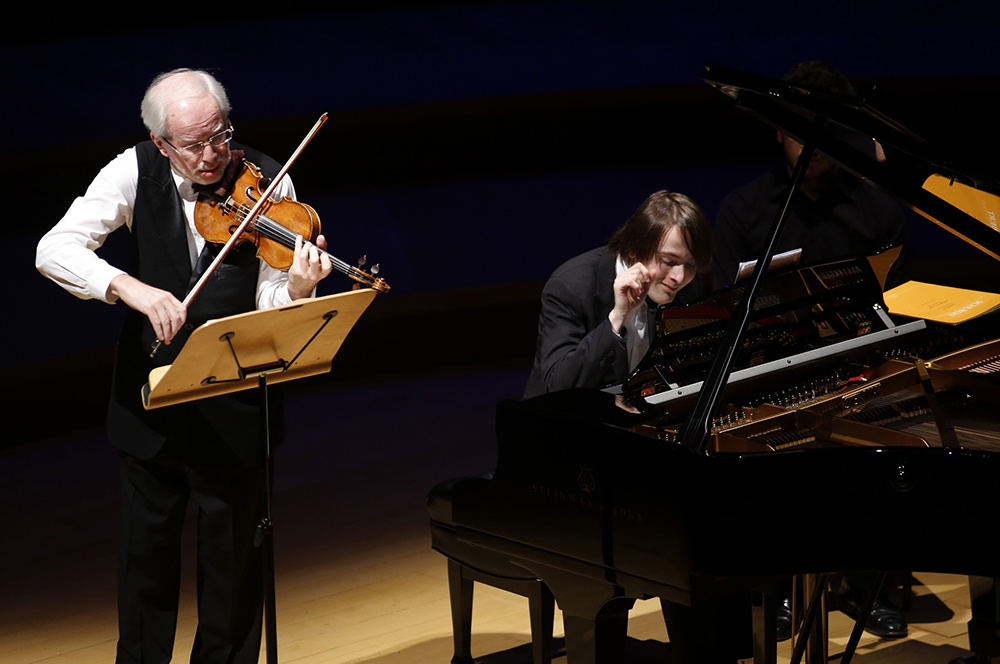
Latvian violinist Gidon Kremer is more than four decades older than the young Russian pianist Daniil Trifonov – but they saw eye-to-eye in their Thursday evening recital at Koerner Hall. The varied program started well, and only got better when the duo was joined by cellist Giedre Dirvanauskaite...
(Continue reading)
By Lev Bratishenko on December 7, 2014
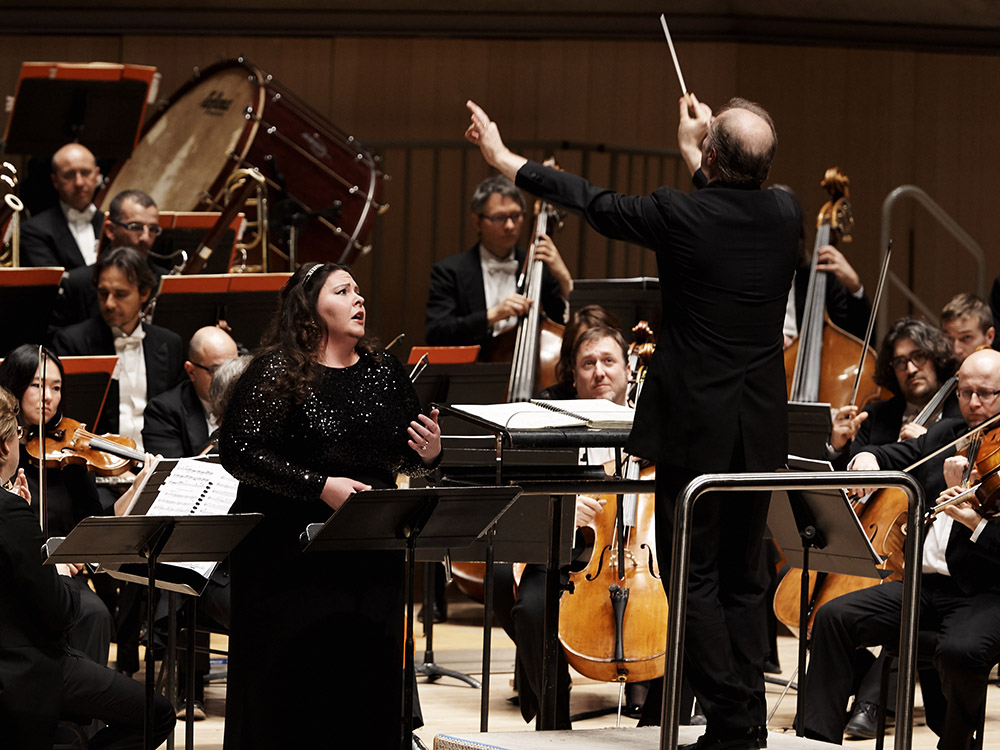
How do you bring a 188-member orchestra and chorus, their equipment and a dozen soloists from Italy to North America? You buy a ship, crew it, and like the Ark, stock two of every musician. Half will be eaten on the journey. Though historical precedents suggest it may be unsustainable, such extravagance was worth it. To the families of the eaten: we salute you. William Tell was a triumph.
(Continue reading)
By Michael Vincent on November 24, 2014
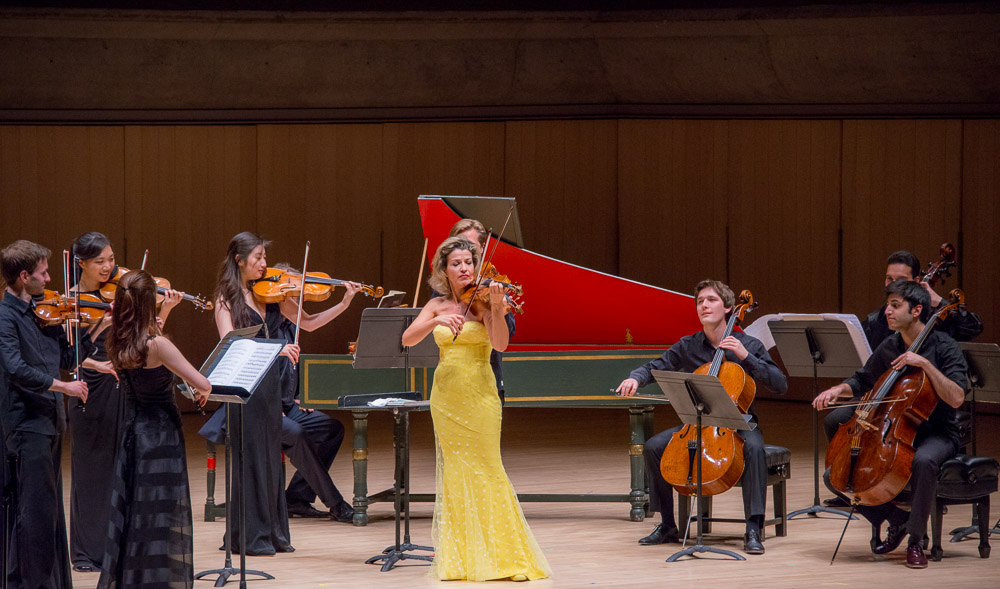
What do you get when you combine one of the world’s great violin virtuosos with a string orchestra of young green hopefuls? A masterclass for certain, but how on earth were they going to keep up?
Since 1997, Anne-Sophie Mutter has been dedicated to fostering the Mutter Virtuosi, a small string orchestra formed as a way to give real-world performance experience to young hand picked players from the Mutter Foundation. Guided by Ms. Mutter, the idea is to give them a taste of what it means to tour, and perform in some of the world’s finest concert halls.
(Continue reading)
By Michael Vincent on November 14, 2014
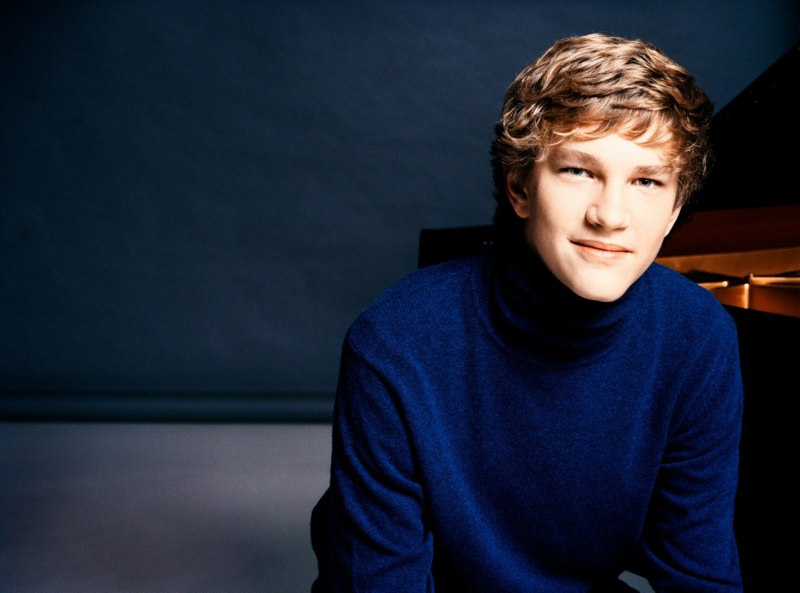
A symphony concert featuring Beethoven and Mozart is as regular as regular gets. But when you combine it with the young piano dynamo Jan Lisiecki, visiting Danish conductor Thomas Dausgaard and clinch it with Carl Nielsen’s Fourth Symphony, you have something much more interesting.
(Continue reading)
By Robin Elliott on November 14, 2014
 (Continue reading)
By Michael Vincent on November 8, 2014
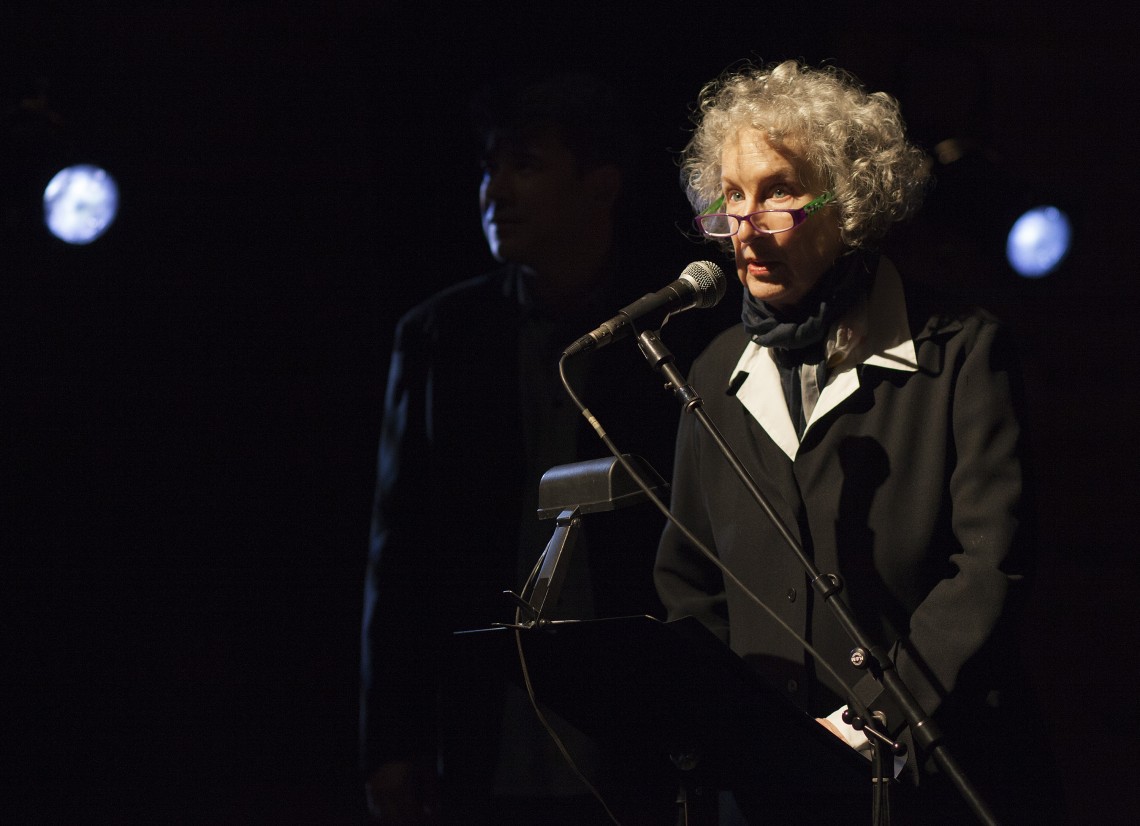
In a 1950s interview with Robert Craft, Igor Stravinsky was asked to give his opinion about the use of music as accompaniment to recitation. His response: “Do not ask, sins cannot be undone, only forgiven.”
Despite Stravinsky’s misgivings, the Art of Time Ensemble (whose aim is to go beyond the classical repertoire) opened its 15th season on Friday night, with a fascinating and varied look at how music and the written word have collided and intersected throughout the ages.
Following a series of recited poems, sung poems, tone poems, poets as musicians and musicals inspired by poetry, it was a variety show approach that rapidly swung back and forth from light entertainment to deeply affecting music...
(Continue reading)
By Michael Vincent on November 3, 2014
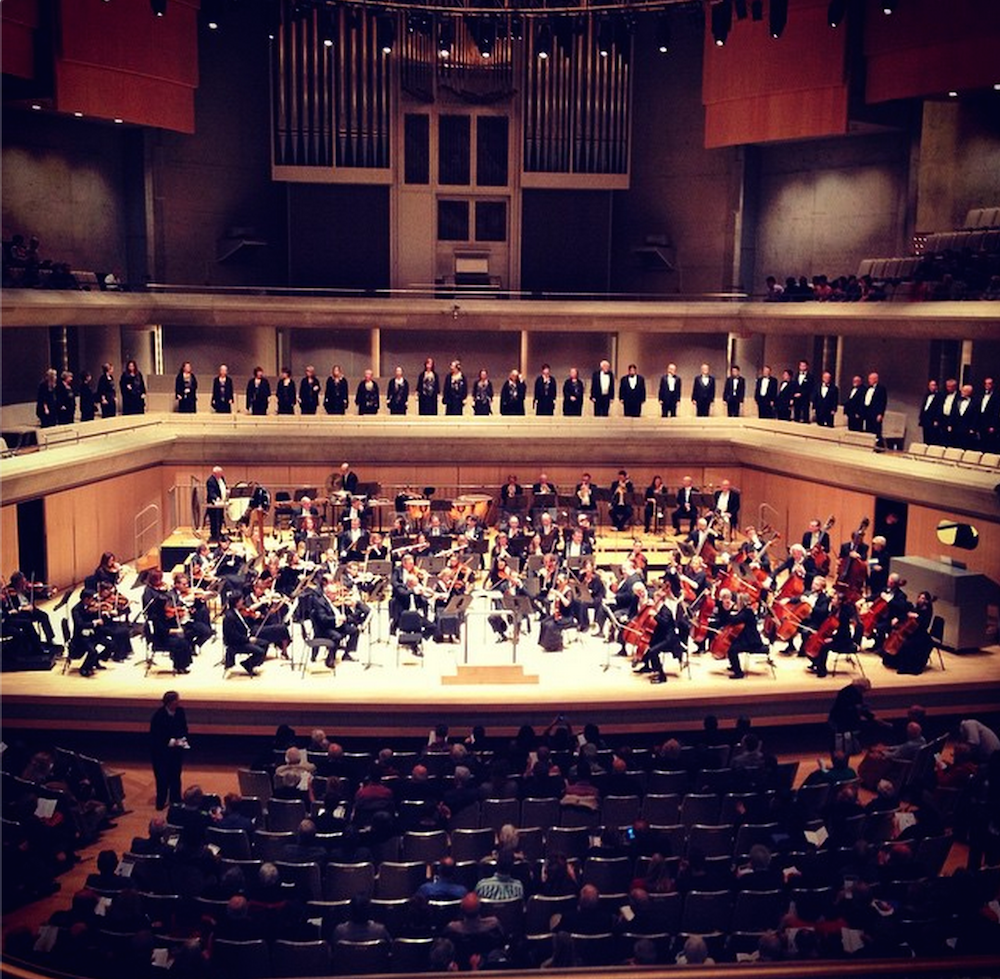
Arguably Eglar’s strongest work, the Dreams of Gerontius is a kind of sacred cantata-oratorio conjured up from the depths of pre-world War I turmoil. It is an important creative triumph for Elgar, and proved he could write religious music on par with the greats, such as Bach, Handel, Mozart, Beethoven and Verdi.
The piece is rarely heard outside of Europe, and seeing it on the Toronto Symphony Orchestra season’s line-up against the usual pork and beans repertoire is pleasant surprise for those of us who would like to hear more than his Pomp and Circumstance Marches or Enigma Variations.
(Continue reading)