By Ludwig Van on March 9, 2015
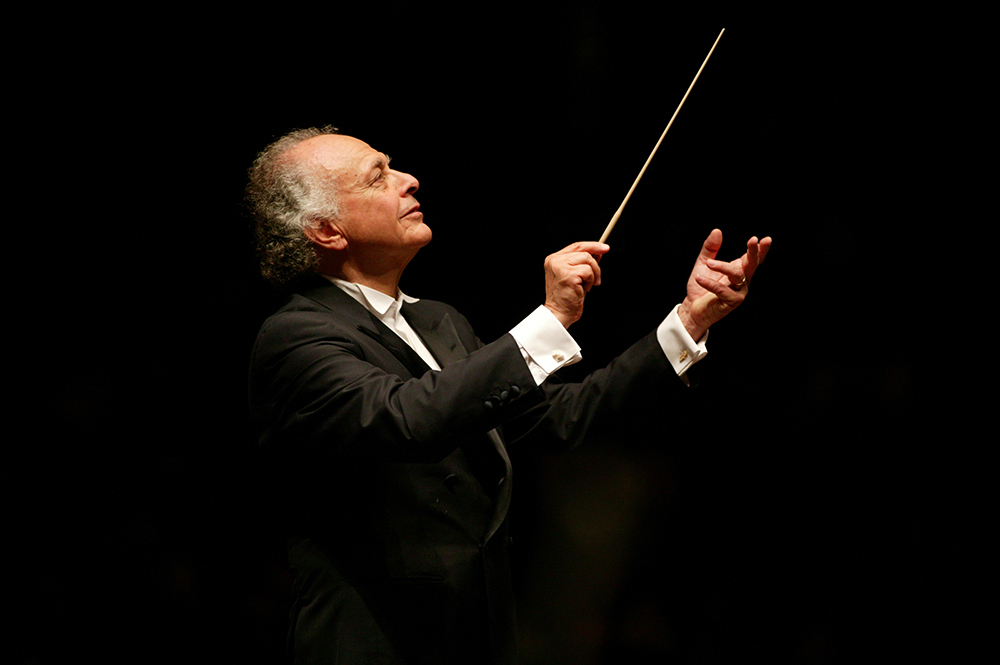
Maestro | noun | \ˈmī-(ˌ)strō\ | The term originates from the Italian "maestro", meaning "master" or "teacher"). It is used as an honorific for prominent classical music and opera conductors, and less so for solosts, and teachers. In Italian opera, the term is used for musicians who act as répétiteurs (accompanist, tutor or coaches) as well as assistant conductors during performances (maestro sostituto or maestro collaboratore)...
(Continue reading)
By Ludwig Van on March 4, 2015
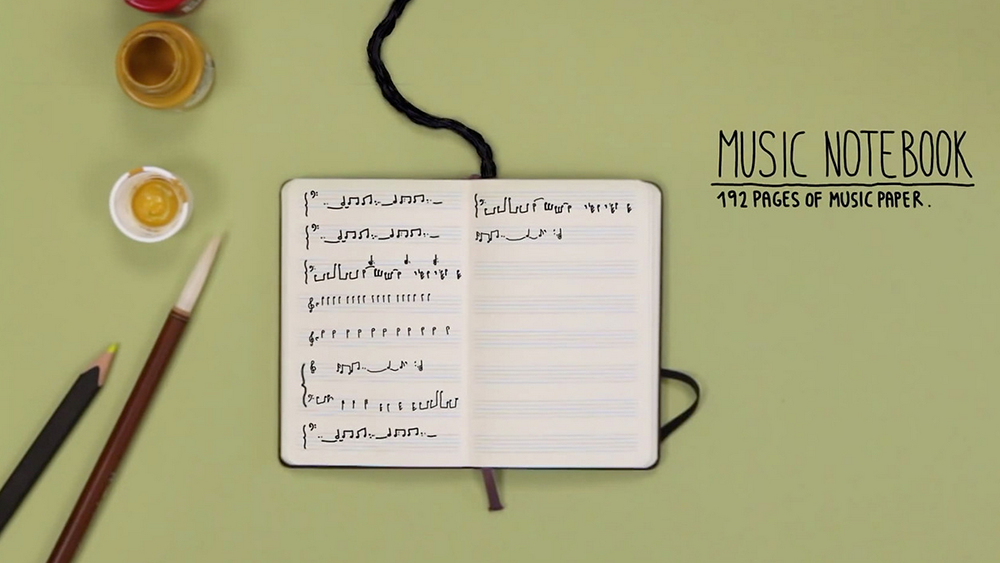
An indispensable tool for musicians, this Moleskine notebook is made for musicians. Perfect for jotting down harmonies, melodies, musical ideas...
(Continue reading)
By Ludwig Van on February 27, 2015

It’s amazing what you can do with just two pens, a ruler, and a little bit of musical imagination.
(Continue reading)
By Ludwig Van on February 26, 2015
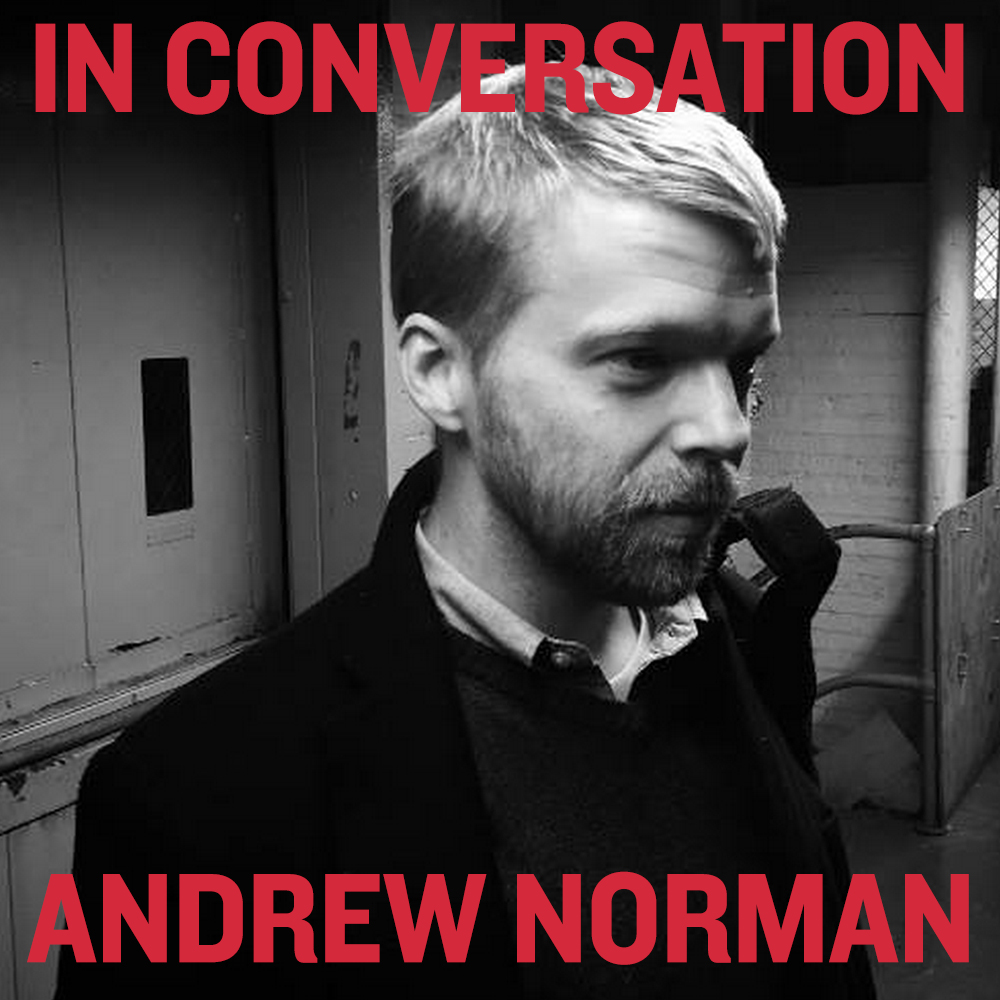
Being a composer in the 21st century is no easy task, and despite composing a work declared by some to be, "the best orchestral work that the 21st century has seen thus far", we learn that a composers process is often rife with internal struggles...
(Continue reading)
By Ludwig Van on February 25, 2015
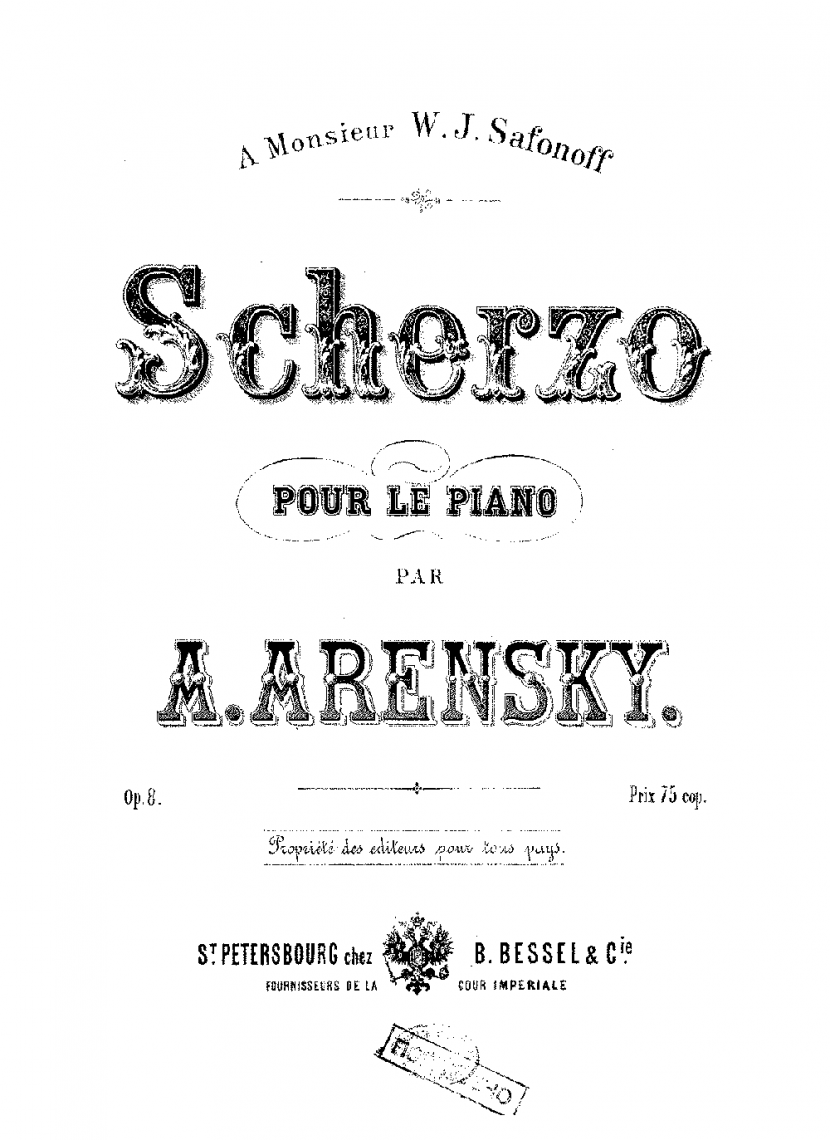
Scherzo | Noun | ˈskeət.səʊ | (plural scherzos or scherzi) | a fast-moving humorous composition that originated from the early 17th century in various musical forms, but made famous by Beethoven as an alternative to the minuet in symphonies, sonatas and other instrumental forms...
(Continue reading)
By Ludwig Van on February 19, 2015
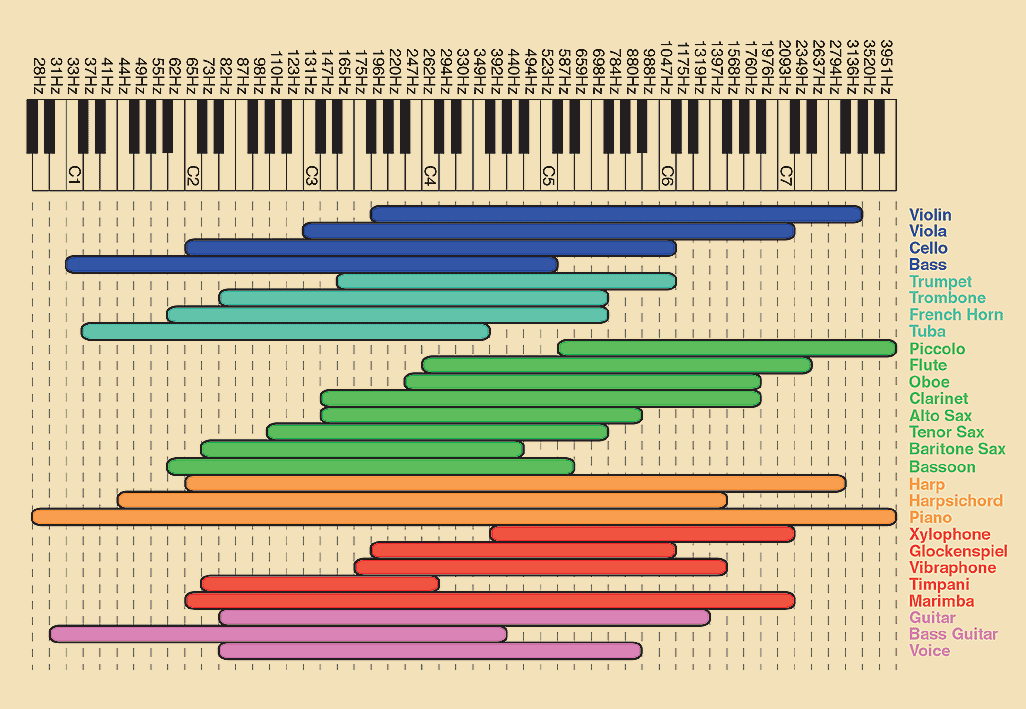
Register | Noun | \ˈre-jə-stər\ | The range of a human voice or a musical instrument. A higher register indicates a higher pitch. For example: a soprano sings in a higher register than a tenor...
(Continue reading)
By Ludwig Van on February 15, 2015
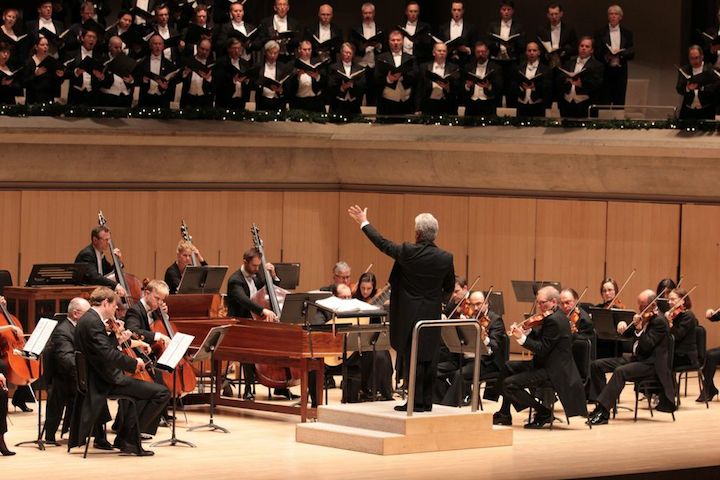
Concertmaster | Noun | \ˈkän(t)-sərt-ˌmas-tər\ | The Concertmaster is the principle first violin, typically seated closest to the audience to the left of the Conductor/Music Director...
(Continue reading)
By Ludwig Van on February 13, 2015

Basso Continuo | Musical term, a.k.a "continuous bass", "continuo" | A type of musical accompaniment used in the baroque era (1600-1750)...
(Continue reading)
By Ludwig Van on February 7, 2015
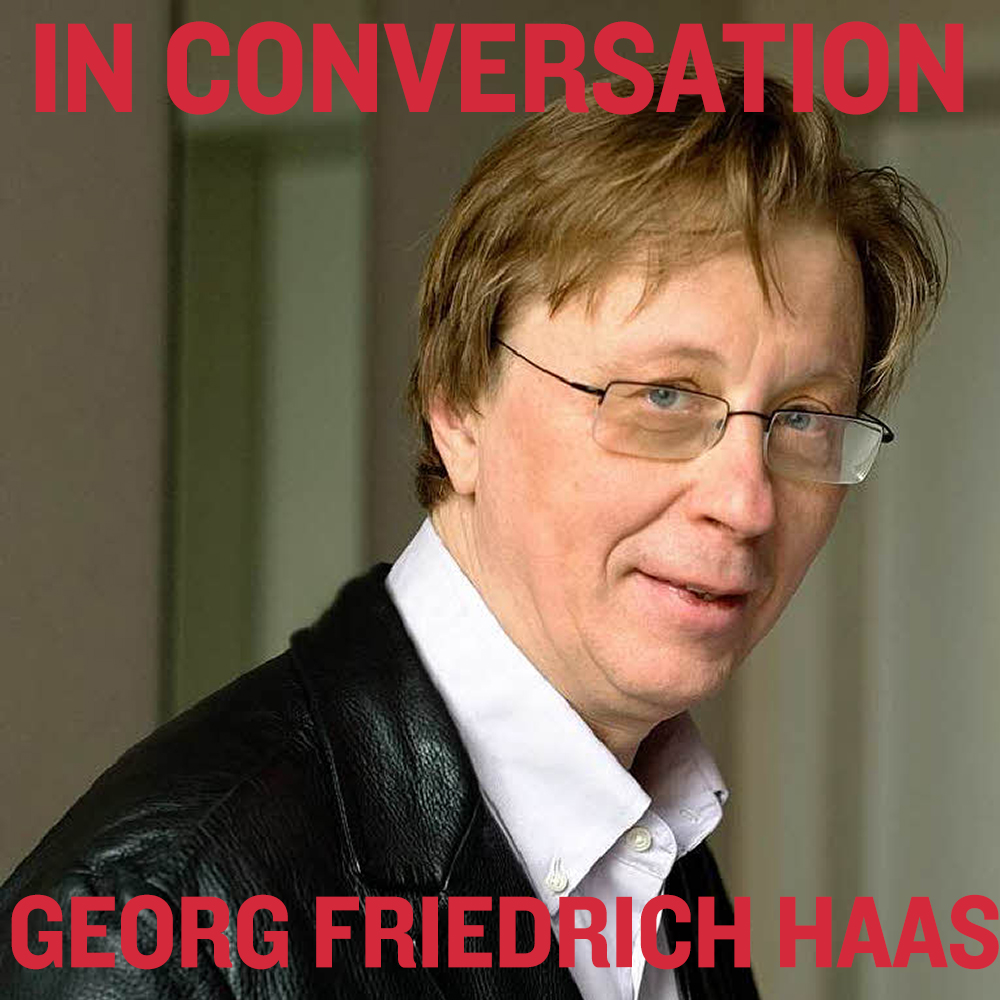
Kicking off the first a six part video interview series for Musical Toronto called Ultimate Maverick, Canadian composer, Vincent Ho sits down for an exclusive interview with the internationally renowned Austrian composer, Georg Friedrich Haas...
(Continue reading)