By Paul E. Robinson on December 1, 2014
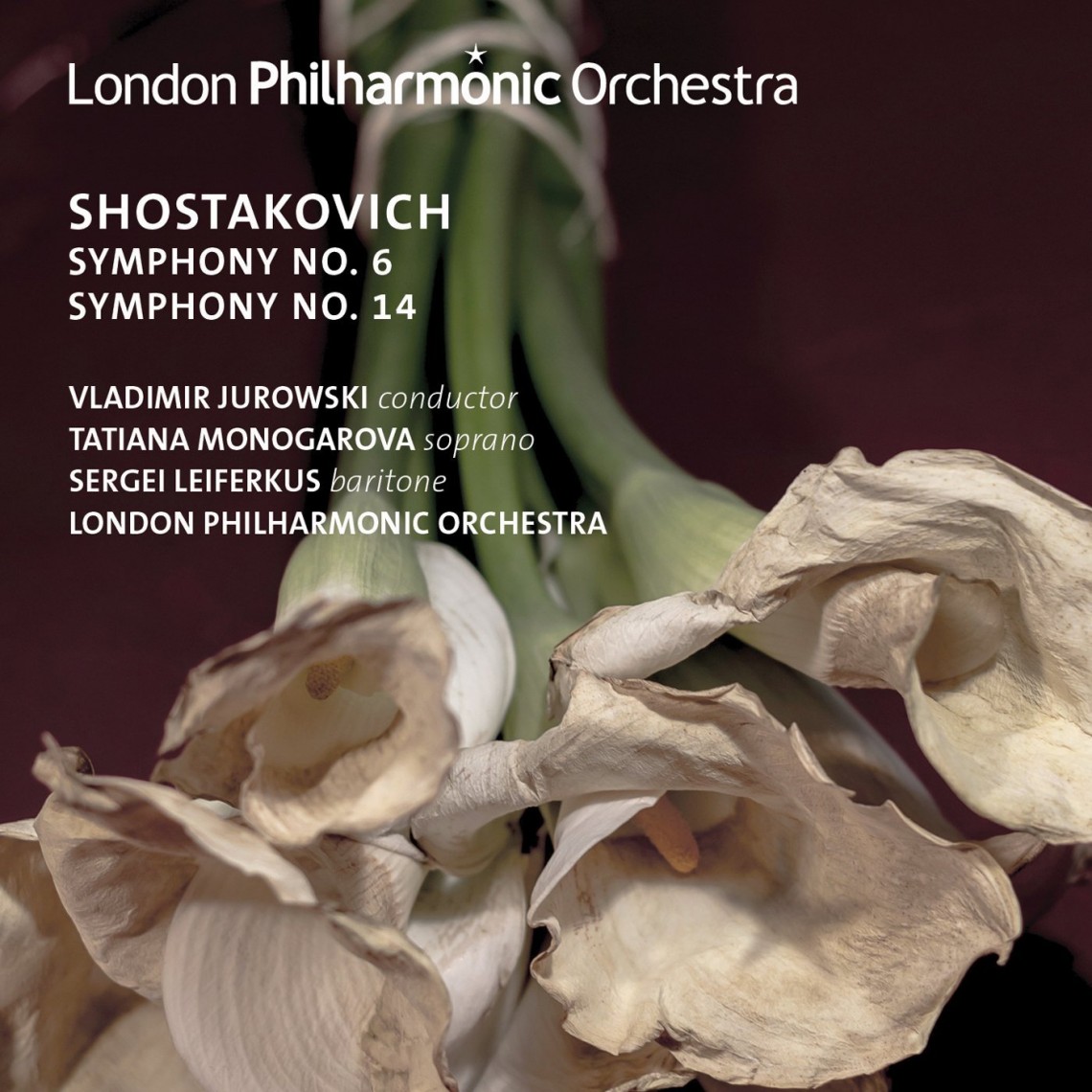
Just over a month ago the London Philharmonic and its music director Vladimir Jurowski gave a concert in Roy Thomson Hall that elicited rave reviews. The major work on the program was the Symphony No. 8 by Shostakovich. Clearly, Jurowski had a special affinity for the music of this composer. Here they are again, on a new CD on the orchestra’s own label, and again playing symphonic music by Shostakovich. And again it would be appropriate to reach for the superlatives.
(Continue reading)
By Paul E. Robinson on November 26, 2014
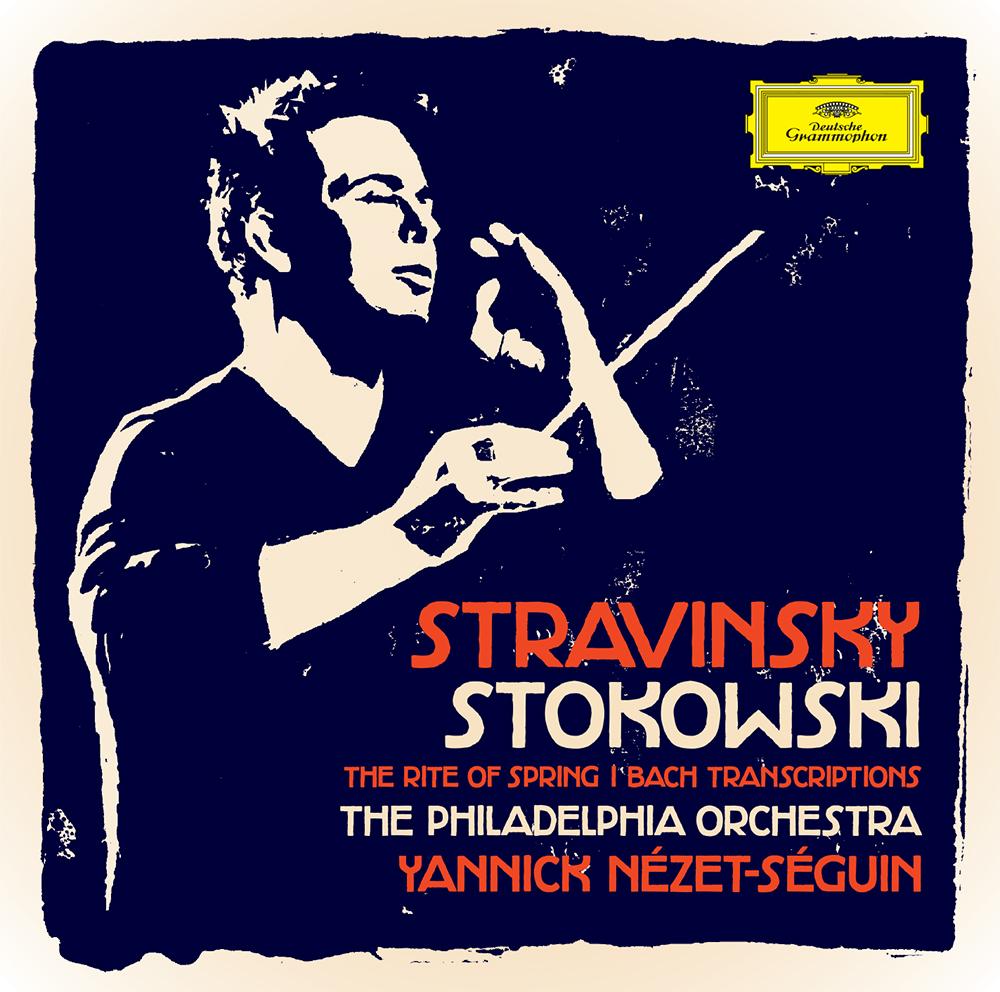
In the spring of 2012 the Philadelphia Orchestra presented a “Stokowski Celebration” in the orchestra’s old home, the Academy of Music. The programs consisted of music associated with Stokowski, the longtime music director of the orchestra, and there was a well-curated display of Stokowski memorabilia in the lobby and on the orchestra’s website. Yannick Nezet-Seguin conducted all the concerts and in one remarkable moment Stokowski “passed” the baton to Yannick by means of lifelike holograms on either side of the proscenium. A year later Yannick made his first recording with the Philadelphia Orchestra and it included several of the works played at the Stokowski Celebration.
(Continue reading)
By Paul E. Robinson on November 19, 2014
 (Continue reading)
By Paul E. Robinson on November 17, 2014
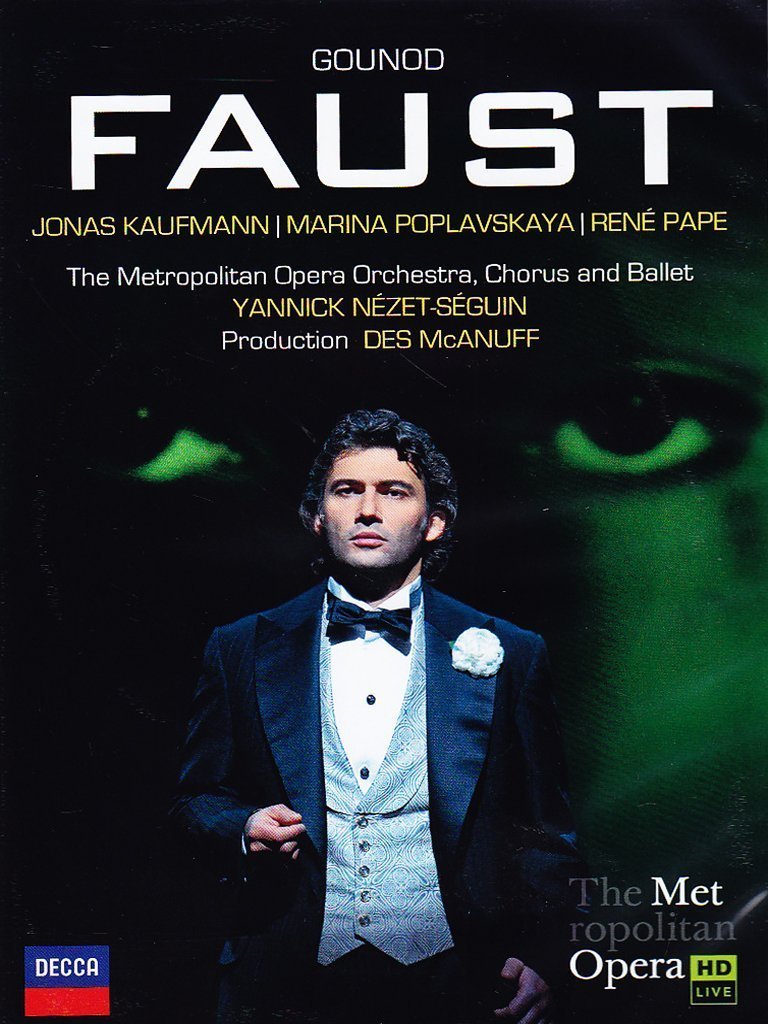
One might be forgiven for thinking that the strong Canadian presence in this performance is the key to its success. Baritone Russell Braun and conductor Yannick Nézet-Séguin are both in top form. And director Des McAnuff, formerly the artistic director of the Stratford Festival, has produced a fresh and powerful interpretation of Gounod’s perennial favourite.
(Continue reading)
By Paul E. Robinson on November 11, 2014
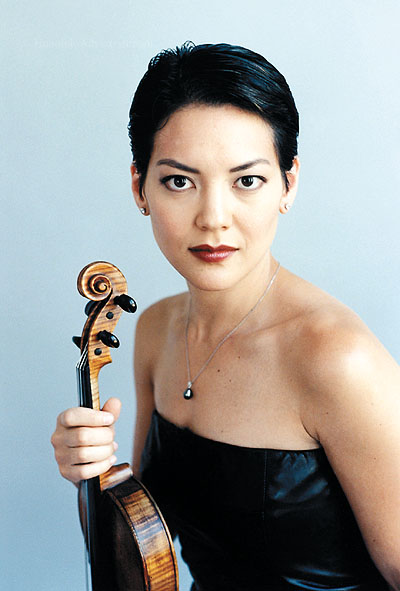
Anne Akiko Meyers made news last year when an anonymous donor gifted her the lifetime use of one of the world’s great violins, the ‘Ex-Vieuxtemps’ Guarneri del Gesu, crafted in 1741. This year she’s in the news again for putting her Guarneri to excellent use in the service of exceptional works by American composers in an album called The American Masters. This album features world premiere recordings of the Violin Concerto by Mason Bates and Lullaby for Natalie by John Corigliano. Samuel Barber’s Violin Concerto (1939), an established classic, rounds out the disc. For the record, Anne made his first recording of the Barber 26 years ago, in 1988.
(Continue reading)
By Paul E. Robinson on November 2, 2014

Many years ago, in 1979 to be exact, Leon Major and I worked together at the St. Lawrence Centre in Toronto. Leon was the General Manager and directed most of the plays, and I was the incoming director of music programming, succeeding Franz Kraemer. For me it was a great opportunity to broaden my approach to music programming. I was to continue my work as music director at CJRT-FM and as conductor of the CJRT Radio Orchestra, but with Leon I could see new challenges. Alas, it was not to be. After ten years of working together, Leon and his board were ready to part ways, and he left just after I arrived. Without Leon at the helm, the St. Lawrence Centre seemed far less idealistic and far less interested in taking artistic risks. I too soon moved on.
(Continue reading)
By Paul E. Robinson on October 27, 2014
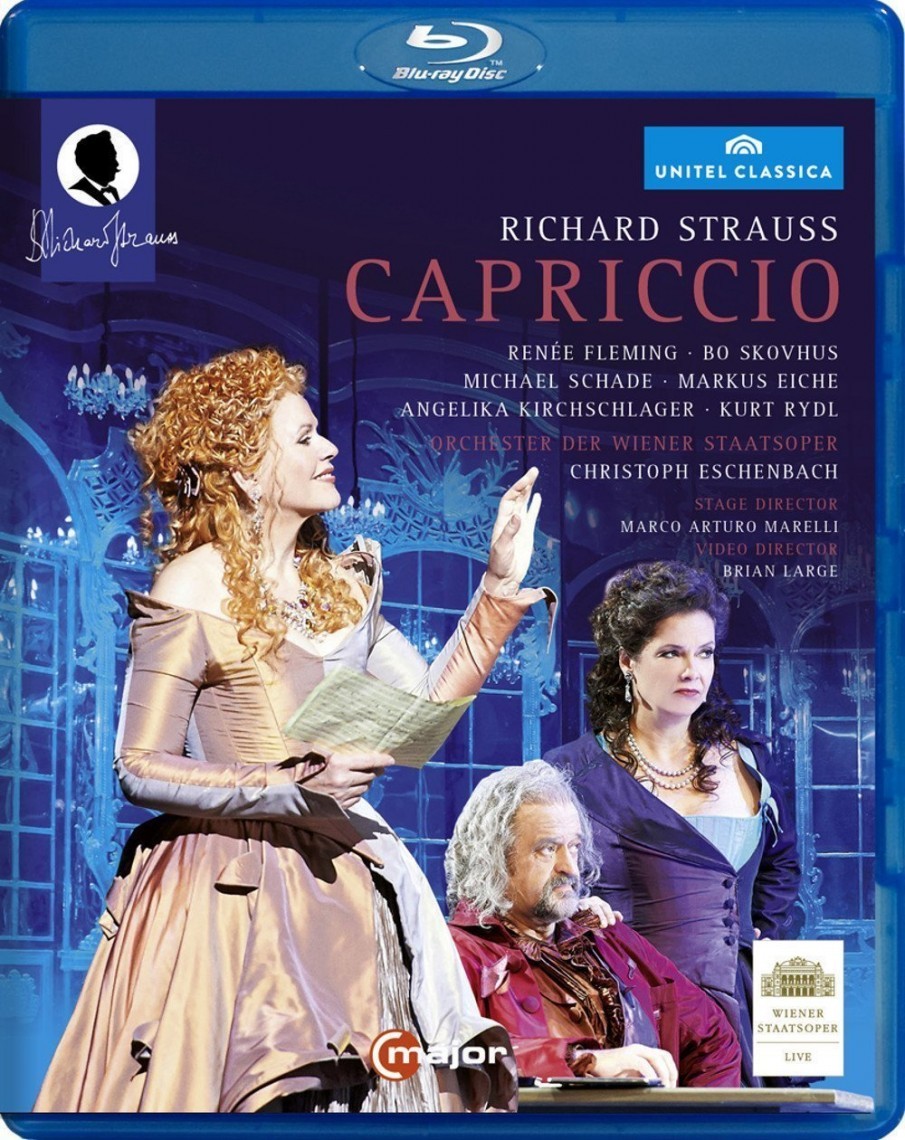
Capriccio was described by its creators – Richard Strauss and Clemens Krauss – as “a conversation piece for music in one act.” In fact, it was Strauss’ fifteenth and last opera, premiered in wartime Munich in 1942.
As the work of a 78-year-old composer it is remarkable. Yet it will probably always be a work for connoisseurs rather than the general public. For a one-act opera at about two and a half hours it is excessively long, and the musical style is almost continuous recitative. And the subject matter is, depending on your point of view, either rarified art or pretentious chit-chat. Some critics have even suggested it is little more than a make-work project for an aging composer.
(Continue reading)
By Paul E. Robinson on October 20, 2014
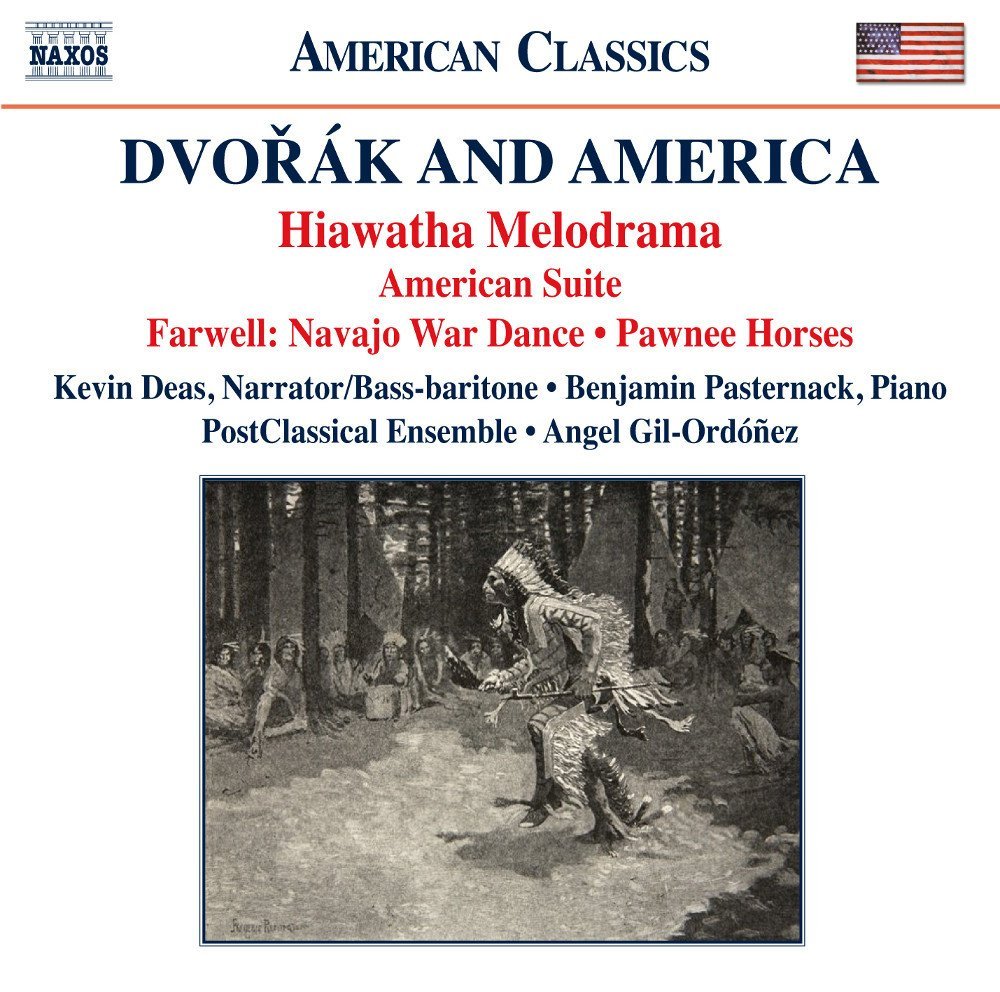
It has long been known that Dvořák’s New World Symphony was inspired by African-American and Native American music. And Dvořák himself mentioned Longfellow’s The Song of Hiawatha as another source of inspiration. But most musicians and musicologists were reluctant to be more specific than that. In recent years, however, the musicologists Joseph Horowitz and Michael Beckerman have tried to show that all of these elements, especially the Hiawatha story, can be linked to specific passages in the New World Symphony...
(Continue reading)
By Paul E. Robinson on October 14, 2014
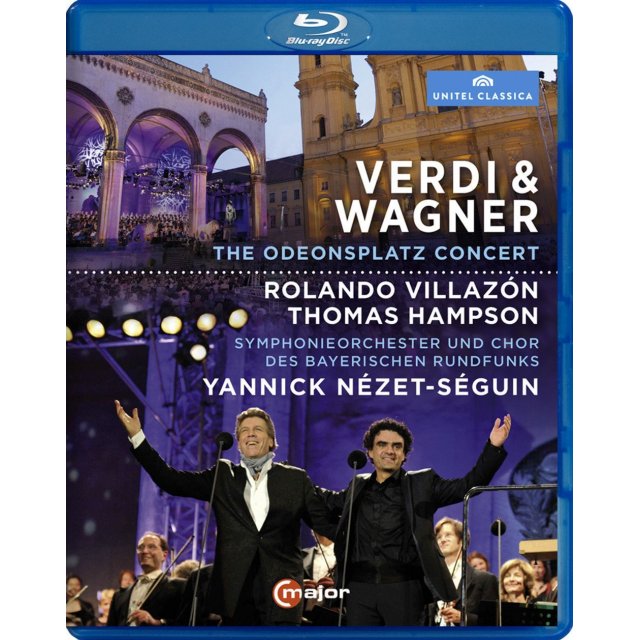
How many orchestras does a man need? Yannick Nézet-Séguin is music director of three of them at last count and has close connections as a guest conductor with several others. No wonder he recently cancelled several weeks of concerts to grab some rest. But then it is a whole new experience for a Canadian conductor to be in such demand. It has never happened before and 39-year Yannick Nézet-Séguin can be forgiven for finding it difficult to say no...
(Continue reading)
By Paul E. Robinson on October 8, 2014
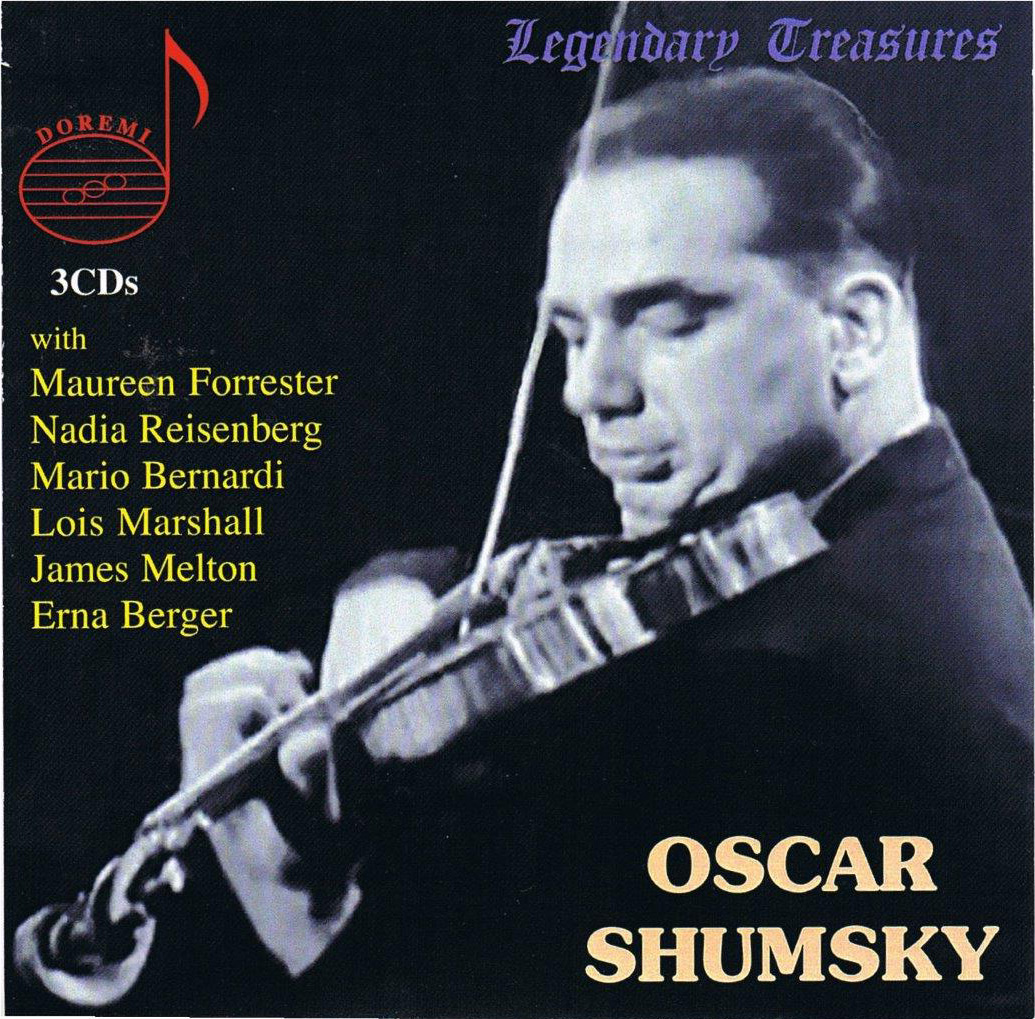
During his long career the American violinist Oscar Shumsky (1917-2000) did not enjoy the fame of some of his colleagues but he was held in the highest esteem by violinists everywhere. He studied with Leopold Auer and appeared with the Philadelphia Orchestra under Stokowski when he was only eight years old. He had a strong Canadian connection. In addition to frequent solo appearances, starting in 1959 he served as music director with Glenn Gould of the Stratford Music Festival.
(Continue reading)