
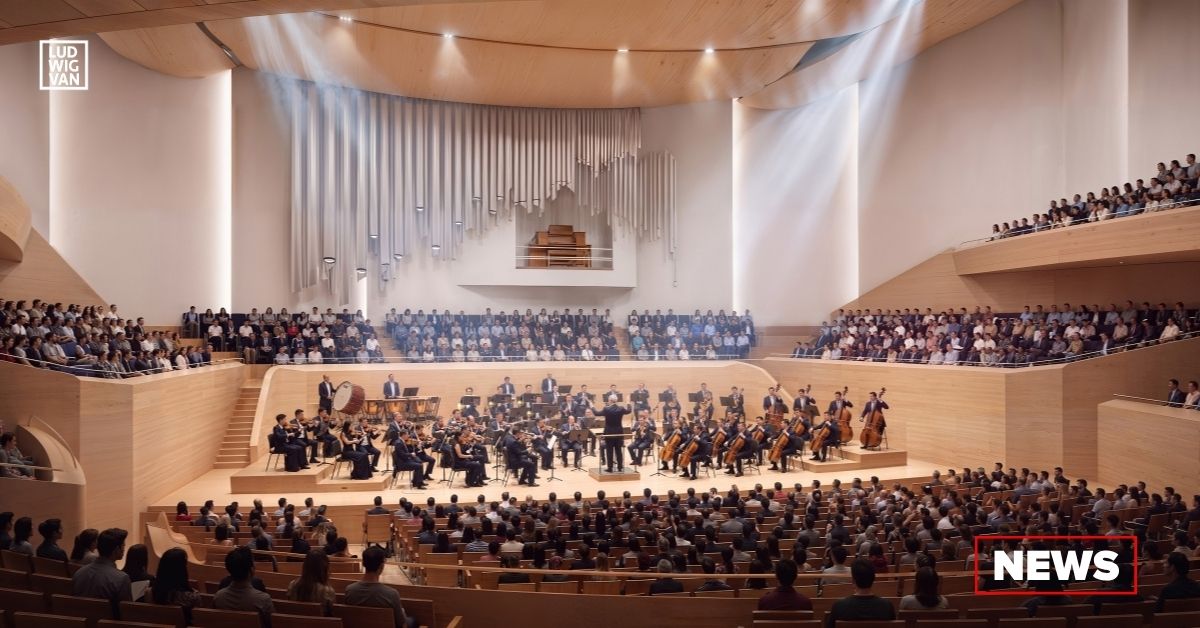
The Vancouver Cultural Precinct is a project that brings 32 of the city’s leading performing arts organizations together. It bridges a gap when it comes to the lack of purpose-built, acoustically-designed performance spaces in the city.
It’s a new vision that would represent the most significant investment in culture in Vancouver’a history.
Background
The Vancouver Cultural Precinct (VCP) was launched in 2022 as an alliance of arts and community leaders. VCP’s 32 participating organizations include orchestral, opera, dance, chamber, and choral companies: Ballet BC, Ballet Vancouver, Canadian International Arts and Music Society, Chor Leoni, City Opera Vancouver, Coastal Jazz and Blues Society, DanceHouse, Dancers of Damelahamid, Early Music Vancouver, Elektra, Friends of Chamber Music, Music on Main, Ne.Sans Opera & Dance, Opera West, Phoenix Chamber Choir, Turning Point Ensemble, Vancouver Academy of Music, Vancouver Bach Family of Choirs, Vancouver Cantata Singers, Vancouver Cantonese Opera, Vancouver Chamber Choir, Vancouver Chinese Choir Association, Vancouver Chopin Society, Vancouver Inter-Cultural Orchestra, Vancouver Men’s Chorus, Vancouver Metropolitan Orchestra, Vancouver Opera, Vancouver Recital Society, Vancouver Symphony Orchestra, Vancouver Youth Choir, Vancouver Youth Symphony Orchestra, and Vetta Chamber Music Society.
What they shared is a commitment to bolstering Vancouver’s performing arts ecosystem.
The city’s lack of purpose-built mid-scale and large-scale venues designed for performing arts is well documented.
Here are the facts:
- Vancouver has the lowest per-capita music hall capacity of any major Canadian or comparable international city at just 0.52 seats per thousand residents. For comparison, Toronto has 1.03, and Melbourne, Australia has 1.44.
- Without an increase in performance venues, that gap will keep getting wider. The region’s population is predicted to grow by 67 per cent between 2001 and 2029.
- To put the situation into perspective, some of the most recent contributions to Vancouver’s downtown cultural infrastructure include the construction of the Queen Elizabeth Theatre (1959), the Vancouver Playhouse (1962), and the restoration of the Orpheum (1977).
Adding to the city’s cultural infrastructure is, in other words, long overdue.
What It Means
The lack of venues has real world consequences that impact not only the cultural sector itself, but the broader economy, and related businesses such as restaurants, accommodations, and others.
Many touring productions bypass Vancouver to make stops as places like Seattle and Calgary instead. Many of Vancouver’s own highly acclaimed ensembles have been left without a home base that suits their scale of operations, and responds to their performance requirements.
Many cultural organizations have a hard time programming a full regular season because of the limited stock of venue options.
The Plan
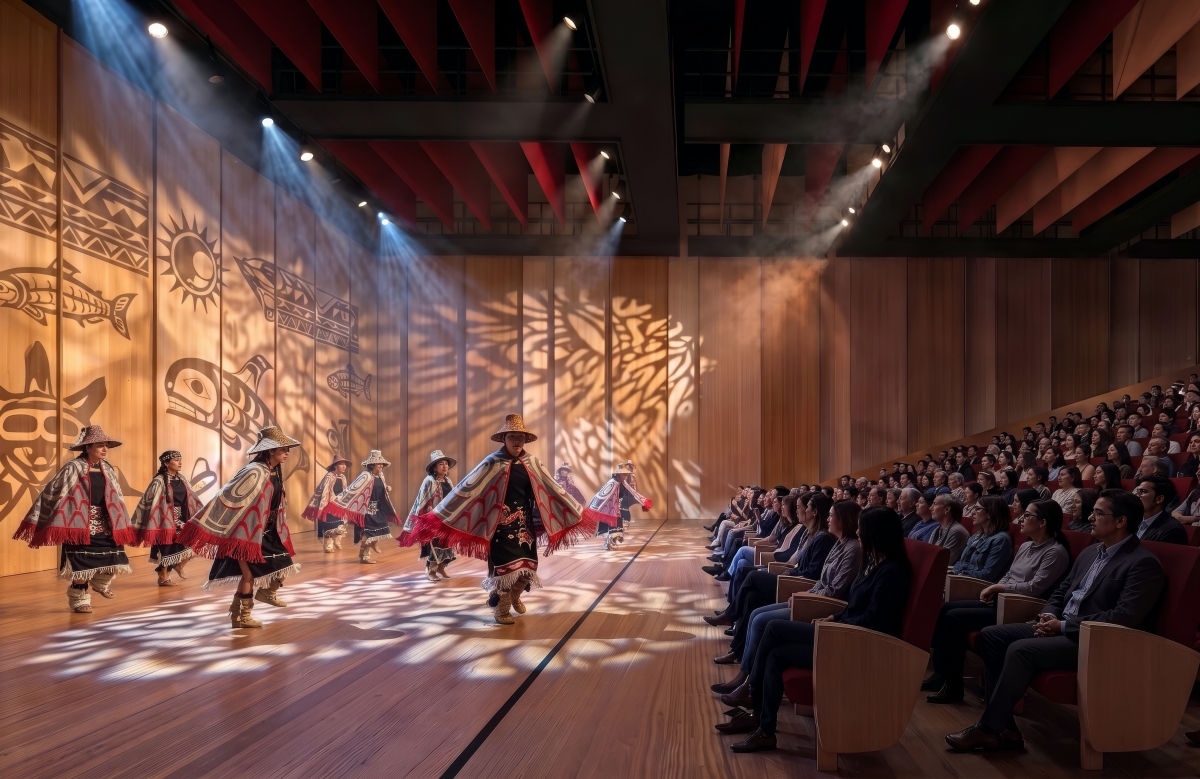
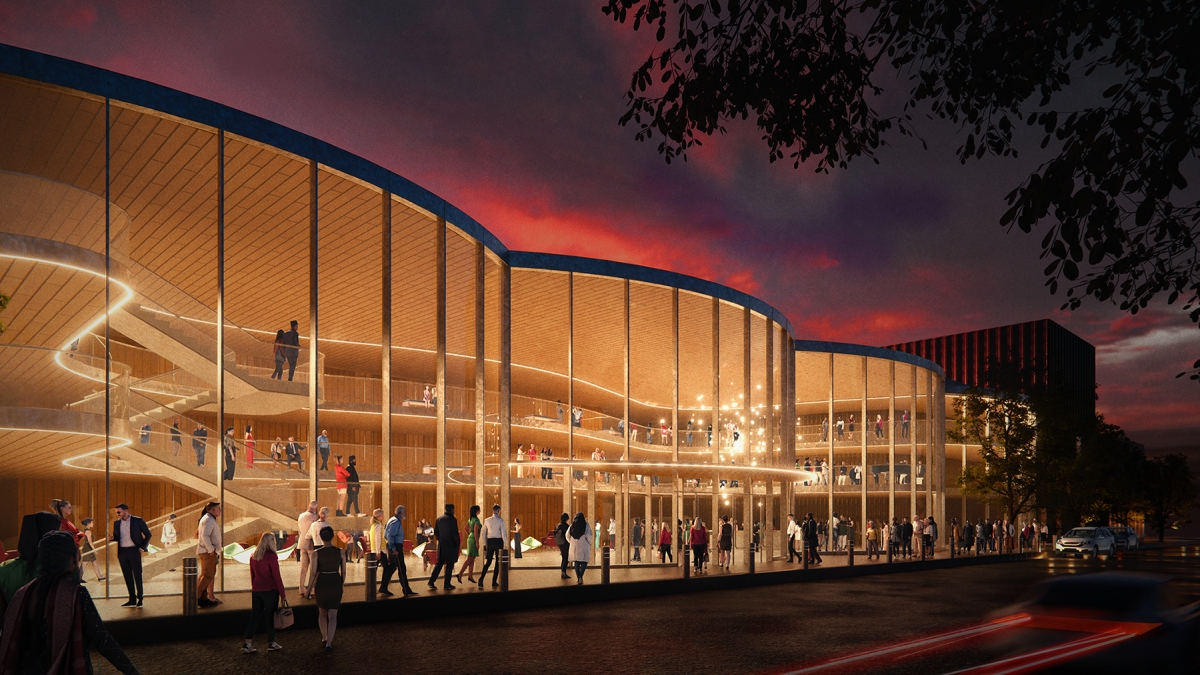
The proposal will create a state-of-the-art performing arts district in the downtown area, incorporating four new or renovated venues.
The proposal comes about as a result of a two-year feasibility study. The 32 members of VCP contributed to the study, led by Diamond Schmitt Architects, responsible for the MacKinnon Building, School of Fine Art and Music at the University of Guelph, and The Drake Hotel Modern Wing and AGO Dani Reiss Modern and Contemporary Gallery in Toronto, among many other projects.
From 2025 to 2026, the 32 participating organizations took part in bi-monthly planning meetings and in-person design workshops. The process used audience data, venue-use modelling, and comparative benchmarking against peer cities and international precedents, with the goal of defining their needs, including space, acoustic specifications, and programming.
The ambitious proposal covers a four-year plan, including an in depth technical analysis, further development of partnerships, and a funding strategy. It will involve engaging with civic, cultural, Indigenous, and community partners.
“This vision reflects a historic opportunity to give Vancouver’s artists and audiences world-class performance venues they have long deserved. By formally addressing the full venue ladder, from small to large, linked in one unified cultural precinct, we will unlock our city’s creative potential, supporting local artists, attracting world-class stars, spotlighting Indigenous performance, and transforming Vancouver into an international performing arts destination,” says Suzanne Anton, Chair, Vancouver Concert Hall and Theatre Society.
“We are also deeply appreciative of the support shown across all three levels of government. This is a powerful signal of what becomes possible when culture is recognized as essential infrastructure.”
The four proposed venues include:
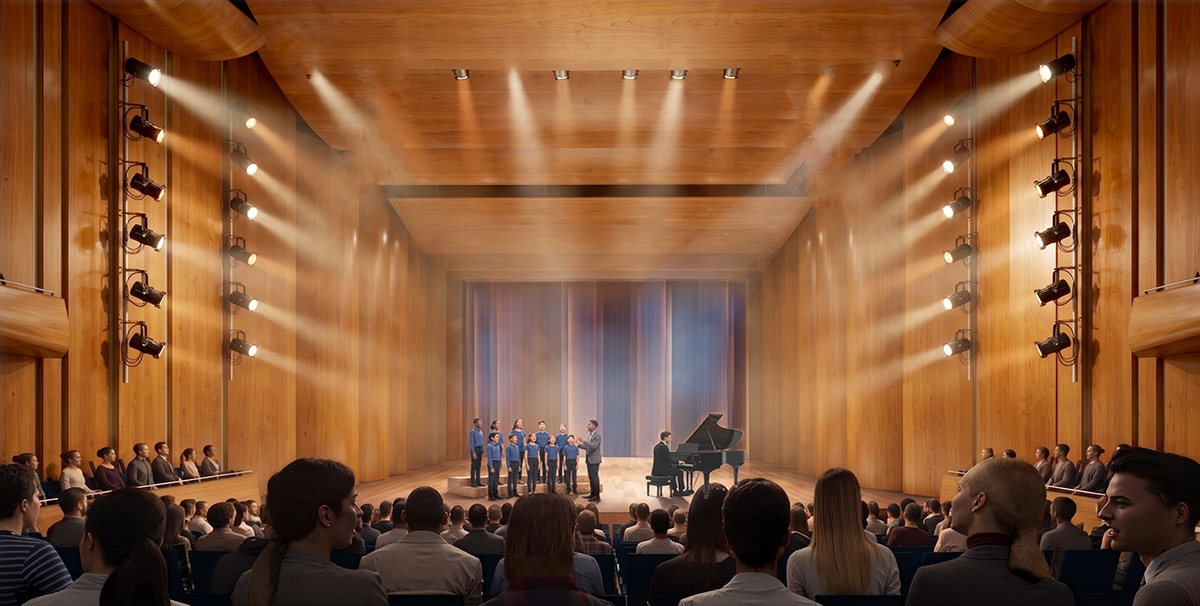
- A 400-seat Small Hall for recitals, chamber music, storytelling, and Cantonese opera;
- An 850-seat Medium Hall for chamber music, recitals, dance, opera, choral works, and small-scale orchestral performances;
- A 1,750-seat Concert Hall for large-scale orchestral and choral performances;
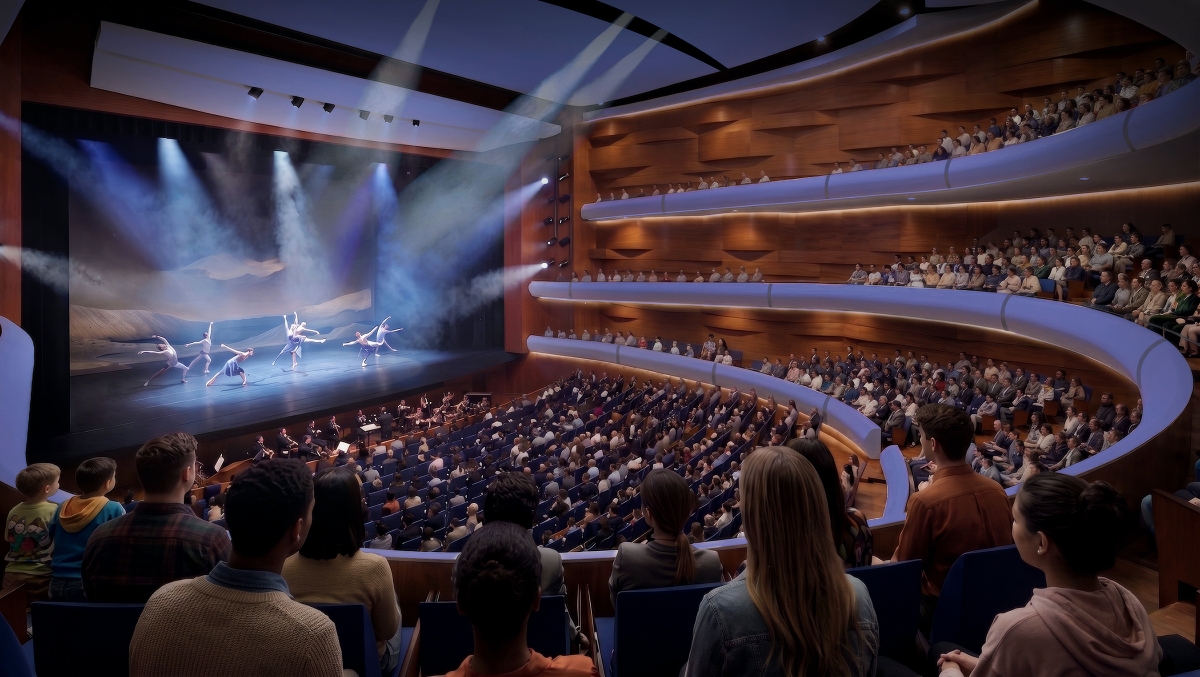
- A 2,000-seat Large Proscenium venue for opera, ballet, and other large-scale performances which require theatrical staging and an orchestra pit.
The design for each will consider acoustic specifications first, and incorporate flexible configurations that can accommodate a full range of performances.
Next Steps
The next phase of planning incorporates project investment estimates, anticipated for Spring 2027, following the finalization of site selection.
VCP is actively connecting with all levels of government, including Indigenous, along with the philanthropic and private sectors to build a funding coalition.
“The Vancouver Cultural Precinct is an opportunity to connect the excellence of award-winning performers to new venues, tailor-made for music, theatre, and dance. It will correct the shortfall of seats relative to other comparable cities and create a world destination for the arts. It is an extraordinary opportunity to shape a city’s identity through the transformative power of design,” says Don Schmitt, Principal, Diamond Schmitt Architects.
“At Diamond Schmitt, we believe that great performing arts architecture can do more than house a performance. It can deepen connections between artists and audiences and extend those relationships into the broader community — dissolving the threshold between the performing arts and the city. Through that connection, these venues can create an arts precinct that will energize urban Vancouver economically, artistically, and culturally. To bring that vision to downtown Vancouver — to help define this city as a world-class cultural destination for generations to come — is among the most meaningful work we can do.”
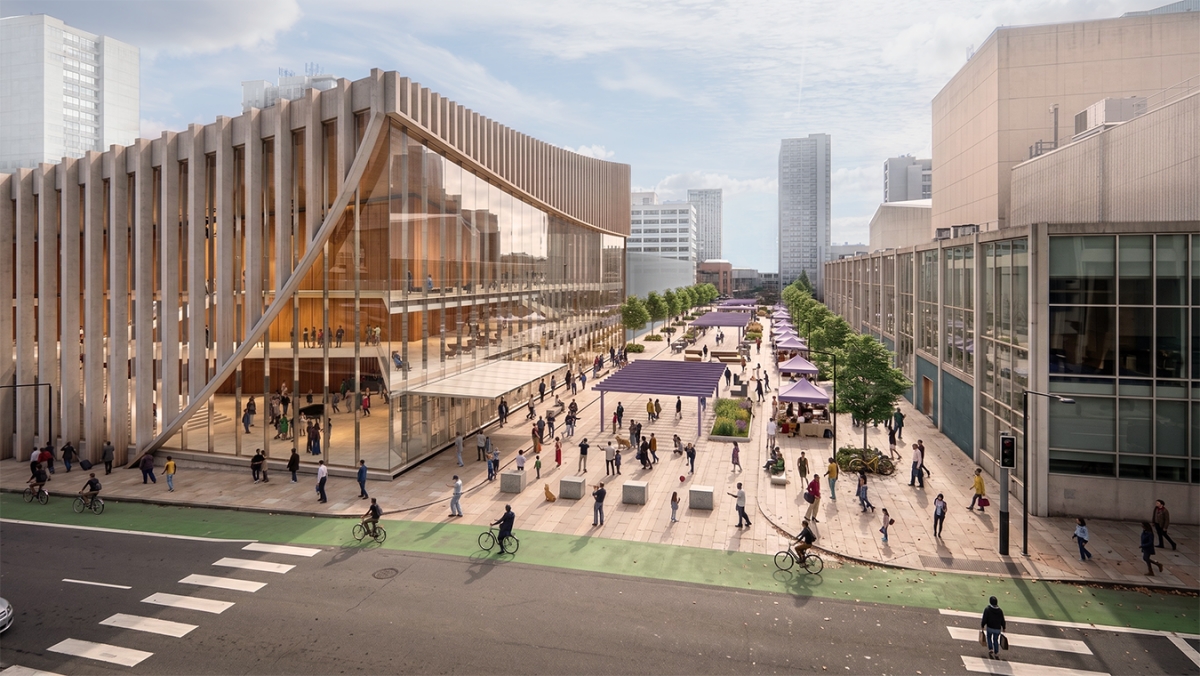
VCP has identified Georgia and Granville Streets as the axis of the future precinct. Site locations are currently being considered. Early stage concepts are being reviewed at Robson Square, Larwill Park, and Northeast False Creek. Each of the sites under consideration incorporate transit access, and the opportunity to link new venues to the surrounding neighbourhood.
“Vancouver has the artists, the audiences, and the ambition of a world-class cultural city,” says Mayor Ken Sim. “It’s encouraging to see organizations and community leaders advancing ideas that celebrate the arts and strengthen our cultural sector. We appreciate the vision and dedication that has gone into this proposal.”
Funding
So far, the 32 participating organizations have made annual contributions towards funding the feasibility phase of the project. Additional funding has come from the Department of Canadian Heritage, the City of Vancouver, the BC Arts Council, Creative BC, as well as private donations.
The next steps involve an economic impact analysis, and business case development as the project moves into is predesign stage in 2026/27. Project definition and capital planning will follow.
The construction phase is anticipated to launch between 2029 and 2034.
“Long before I was in politics, I was a music teacher, so I understand in a very personal way what it means for artists to have the right space to create and perform,” says the Honourable Anne Kang, Minister of Tourism, Arts, Culture and Sport.
“British Columbia has proven, through events like the FIFA World Cup, that we know how to build world-class infrastructure and deliver for the world stage. The Vancouver Cultural Precinct is that same ambition applied to our performing arts sector – a sector that drives tourism, creates jobs in every part of our economy, and reflects the incredible diversity of the communities we serve.”
Final Thoughts
“I have spent my career supporting the growth and development of Vancouver’s world-class music community. By working alongside dozens of organizations who have offered their expertise, real-world experience, and shared vision for future potential, this proposal will help enable artistic excellence at every scale and greatly expand access to arts and culture for both local residents and visitors alike,” said George Laverock, Secretary of the Vancouver Concert Hall and Theatre Society, and Board member of the Vancouver Youth Choir and Vancouver Youth Symphony Orchestra.
- Find more information about the Vancouver Cultural Precinct [HERE].
Are you looking to promote an event? Have a news tip? Need to know the best events happening this weekend? Send us a note.
#LUDWIGVAN
Get the daily arts news straight to your inbox.
Sign up for the Ludwig Van Toronto e-Blast! — local classical music and opera news straight to your inbox HERE.

- THE SCOOP | 32 Performing Arts Organizations Team Up To Create Vancouver Cultural Precinct - July 27, 2026
- PREVIEW | The Caledon Music Festival Returns For 2026 With The Theme Of Transformation - July 24, 2026
- FEATURE | The Hamilton Philharmonic Orchestra’s Summer Concert Series 2026 - July 24, 2026