
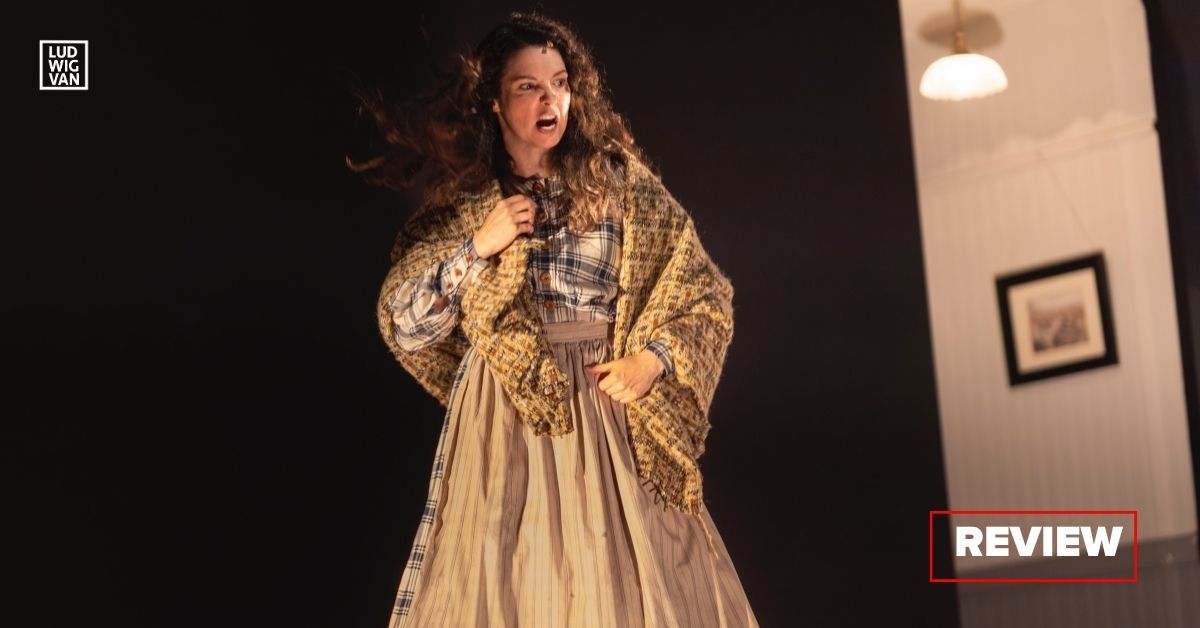
Tapestry Opera, Canadian Opera Company, Luminato, in association with TO Live: 10 Days in a Madhouse, by Rene Orth, libretto by Hannah Moscovitch, Joanna Settle, Director | Sandra Horst, Music Director. With: Mireille Asselin, soprano; Taylor-Alexis DuPont, mezzo-soprano; Jorell Williams, baritone; Lauren Pearl, soprano, and soprano chorus. June 16, 2026, St. Lawrence Centre for the Arts, Bluma Appel Theatre. Continues until June 21, 2026. Tickets here.
Opening night is always exciting for any production, but there seemed to be something special at the Bluma Appel Theatre for the Canadian premiere of 10 Days in a Madhouse. The work, a Tapestry Opera and Opera Philadelphia production and commission, is being co-presented by the Luminato Festival and the Canadian Opera Company in association with TO Live.
Delayed for some time due to the pandemic, it received its premiere in Philadelphia in 2023, and is only now making its Canadian premiere. There was much anticipating in the lobby where I saw familiar faces from Toronto’s music community and some well-known patrons of the arts. All were eager for what was in store.
The Premise
Composer Rene Orth and librettist Hannah Moscovitch have created what Moscovitch describes as a “formally experimental, psychological opera that plays with notions of madness.” The work is inspired by the true story of journalist Nellie Bly, who in 1887 faked madness in order to gain admission to Blackwell’s Asylum and to report on the conditions from within.
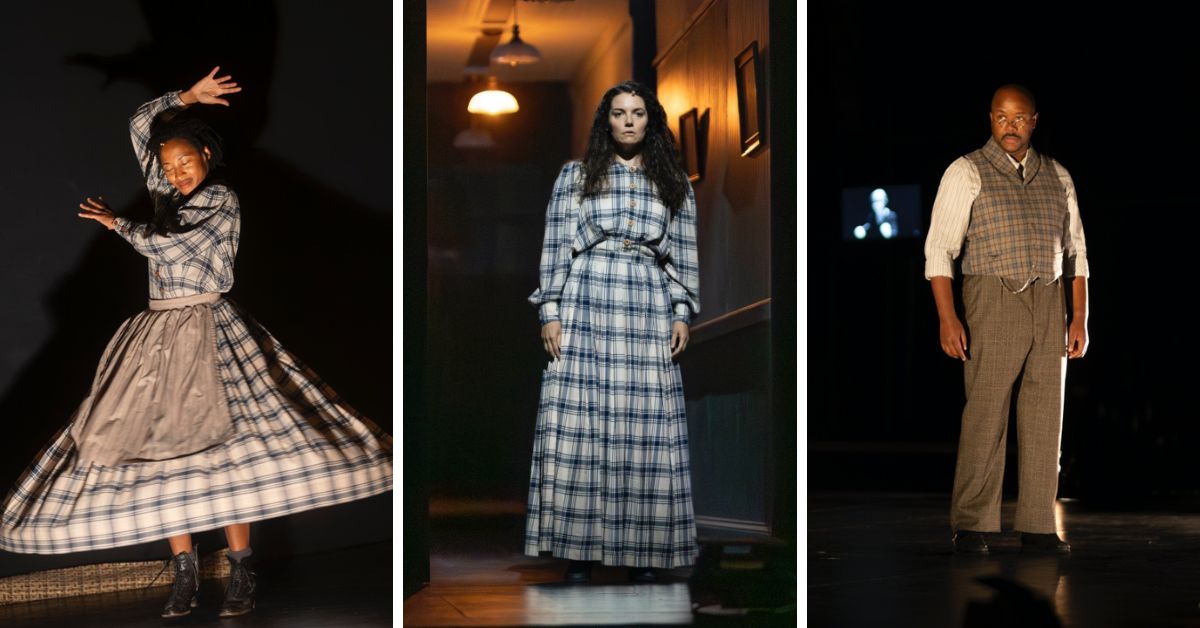
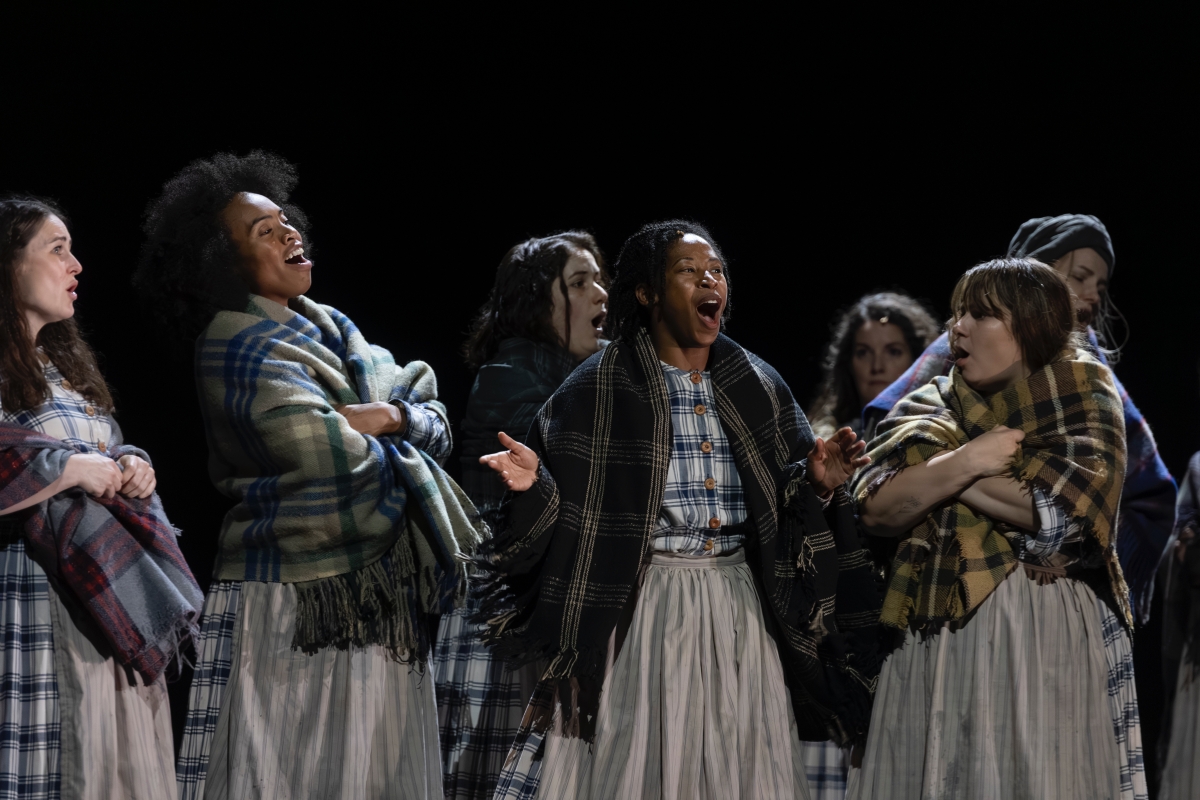
In the opera, Nellie (soprano Mireille Asselin) encounters the detached Dr. Josiah Blackwell (baritone Jorell Williams). Nellie also meets Lizzie (mezzo-soprano Taylor-Alexis DuPont), a grieving mother struggling with the death of her infant. A chorus of sopranos moves about, sometimes individually and sometimes as an ensemble. They function as patients, voices, and manifestations of the opera’s psychological landscape.
Rather than following a conventional narrative arc, the work unfolds in reverse chronological time. We begin on Nellie’s tenth and final day in the asylum, with scenes rewinding toward the moment before her admission. It has psychological impact.
The Cast
Asselin demonstrated remarkable versatility throughout the evening, combining vocal assurance with a physically demanding performance.
She was particularly compelling in the opera’s final scene, singing with lyricism and emotional depth. DuPont’s Lizzie garnered sympathy, her rich and agile mezzo-soprano bringing tenderness and humanity to a character marked by profound grief.
Williams’ portrayal of Dr. Blackwell felt intentionally clinical, embodying the emotional distance and institutional authority that the opera seeks to critique.
The soprano chorus also deserves recognition for navigating a wide range of vocal styles and techniques.
The Music
Orth’s score was very intriguing. Electronic elements are intertwined with acoustic instruments. Soundscapes shift and overlap in ways that leave the listener uncertain of their source.
It led to questions whether that particular sound was live or electronic. Contemporary electronic influences, including references to popular music, techno and electronic dance music, coexist alongside musical material that evoke earlier musical traditions.
The waltz is prominently featured. Early in the opera, the repeated setting of the word “what” recalls the looping and sampling techniques of a DJ, establishing a soundscape that continually ebbs and flows between past and present.
Final Thoughts
Director Joanna Settle and the creative team assembled a production that effectively reinforced the opera’s psychological themes. Just as the score shifts between electronic and acoustic worlds, the visual design constantly destabilizes our sense of time and place.
Lighting transitions between sterile fluorescent to warmer incandescent. Bonnie Beecher’s lighting design was very effective. If there was one element that felt less fully integrated into this conceptual framework, it was the costume design, which was comparatively one dimensional.
The audience responded with generous and enthusiastic applause. It was worth the wait.
10 Days in a Madhouse is a bold and thought-provoking work, delivering a compelling exploration of memory, trauma, and institutional power.
By Albert Wong for Ludwig-Van.
Are you looking to promote an event? Have a news tip? Need to know the best events happening this weekend? Send us a note.
#LUDWIGVAN
Get the daily arts news straight to your inbox.
Sign up for the Ludwig Van Toronto e-Blast! — local classical music and opera news straight to your inbox HERE.