
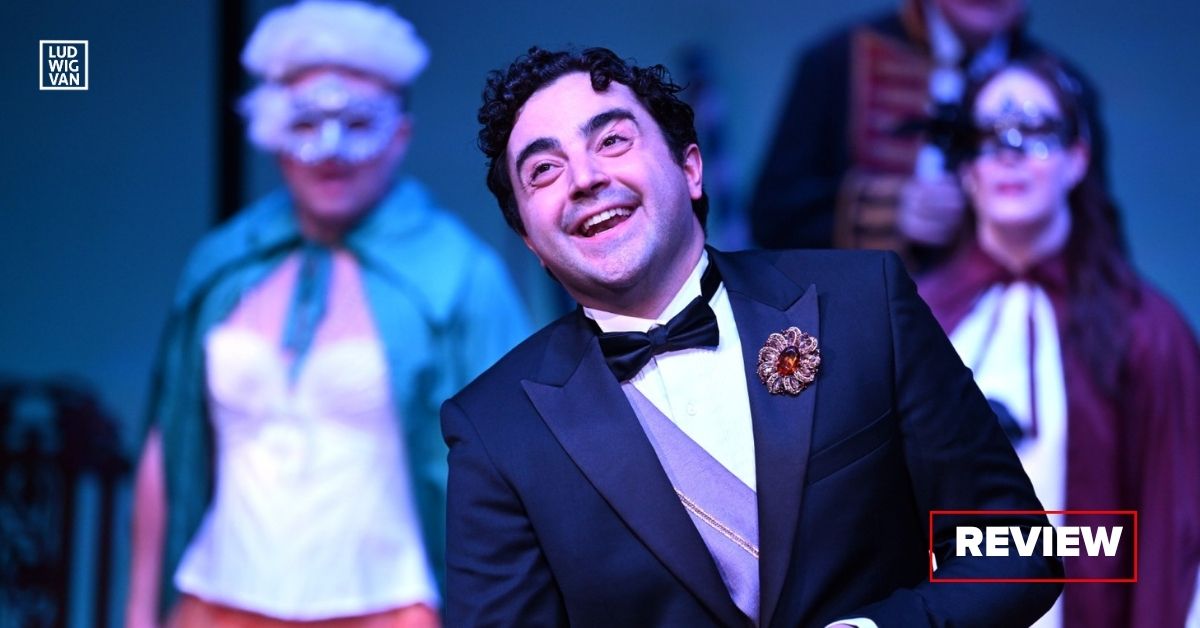
Toronto Operetta Theatre: A Night In Venice, by Johan Strauss II. With: Andrea Núñez, Annina; Marcus Tranquilli, Pappacoda; Jeremy Scinocca, Coximo, Duke of Urbino; Meghan Symon, Agricola; Kate Carver, Conductor; Ryan Downey, Caramello; Madeline Cooper, Ciboletta; Sean Curran, Senator Delaqua, directed by Guillhermo Silva-Martin. April 17, 2026, Bluma Appel Theatre.
Johann Strauss II, the Waltz King, is famous for his lyrical melodies and waltz rhythms. Although not as popular as his best known operetta Die Fledermaus, A Night in Venice is full of enchanting Viennese melodies, and a lively plot filled with romantic entanglements and swapped identities, set during Carnival season in Venice.
The Duke of Urbino (Jeremy Scinocca), a notorious womanizer, is coming to the Carnival. His barber Caramello (Ryan Downey) and maraconi chef Pappadoca (Marcus Tranquilli) try to keep their girlfriends — Annina (Andrea Nunez) and Ciboletta (Madeline Cooper) — away from his wandering gaze.
Under the leadership of Agricola (Meghan Symon), the ladies plot to abolish male dominance in Venice and trick the Duke into marrying Nina (Anna O’Drowsky). But they first have to deceive Senator Delaqua (Sean Curran), Nina’s guardian, who plans to marry her himself.
The Operetta
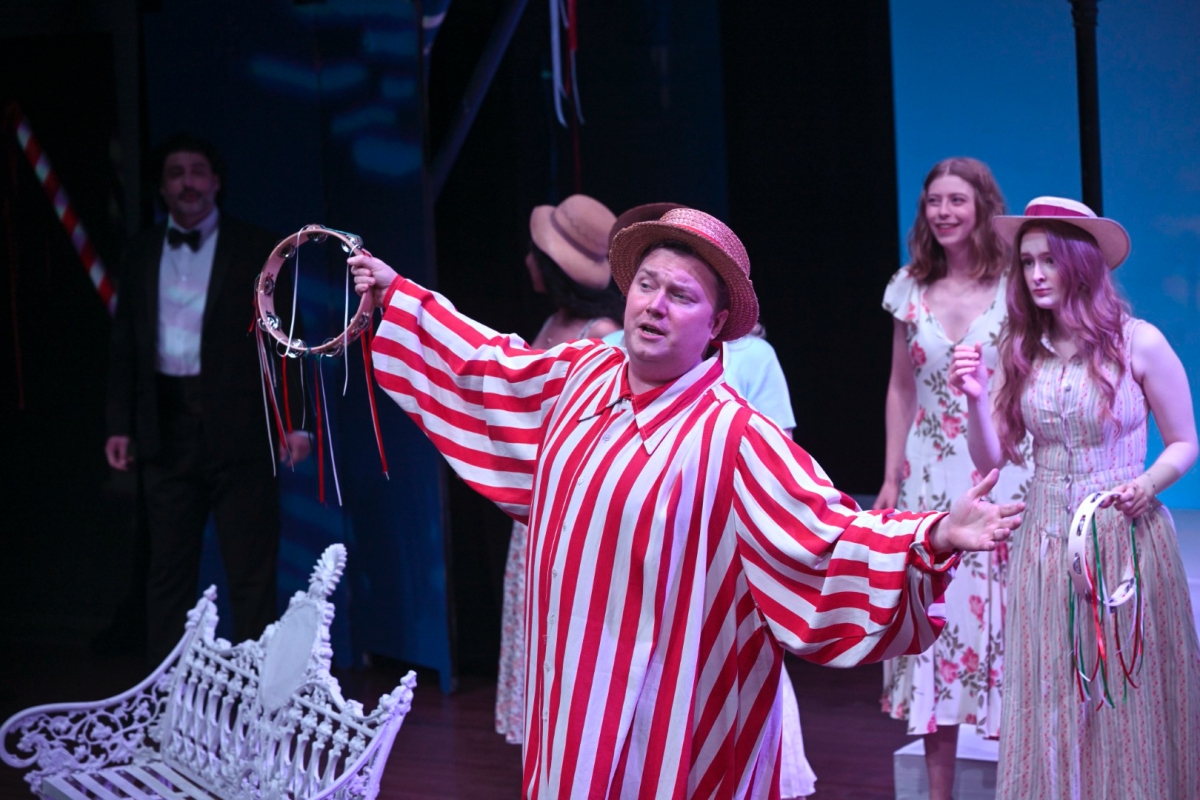
The Toronto Operetta Theatre production is sung to an English libretto. Director Guillhermo Silva-Martin has taken some liberties to tweak the storyline and condense it into two acts, even peppering the dialogue with political jabs at Ontario’s Premier and Highway 407.
The overture was a delightful preview of the medley of tunes in the operetta, played by a 10-piece orchestra under the direction of Kate Carver. It was especially nice to see Mark Skazinetsky, former associate concertmaster of the Toronto Symphony, come out of retirement to lead the ensemble.
The operetta requires good acting to bring out the comedic drama, and the cast did not disappoint in that respect. The colourful costumes made up for the sparse staging, and there was some vivacious dancing despite the minimal choreography.
Singing
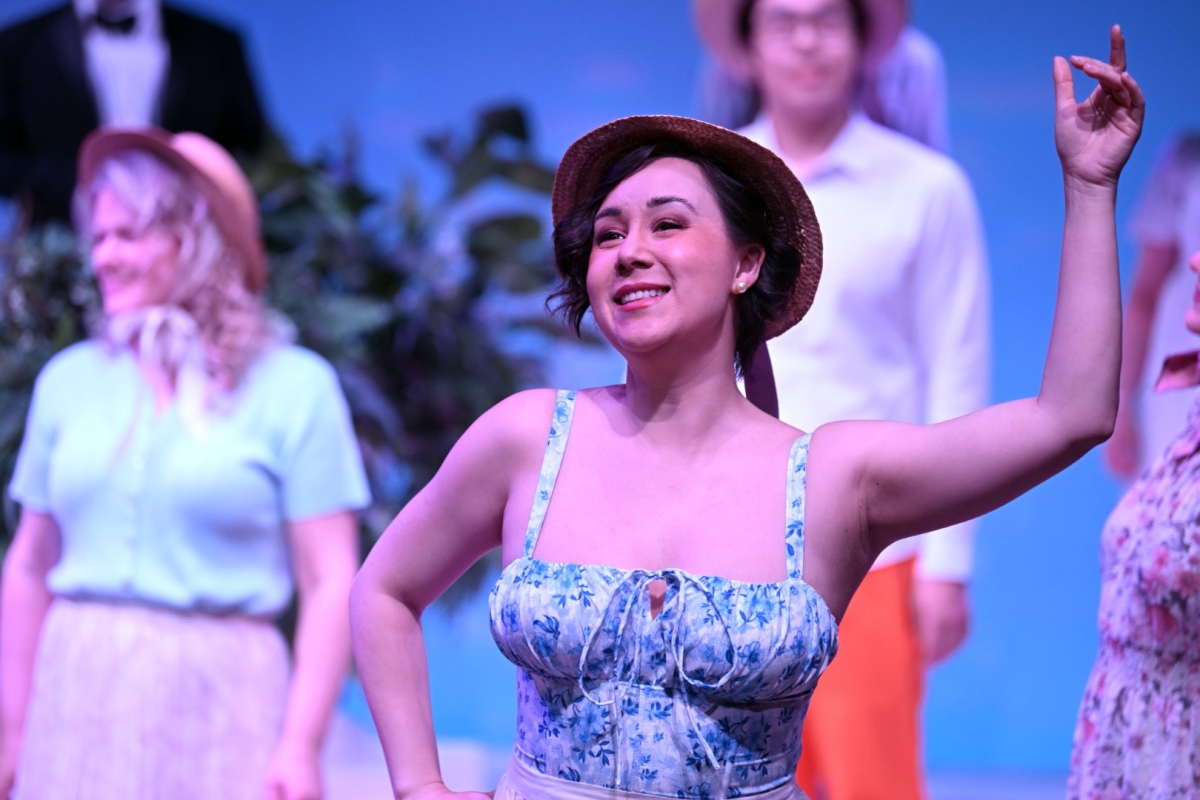
The best singing came from soprano Andrea Nunes, who possesses an agile instrument with a brilliant coloratura, nailing octave jumps with ease and precision. Madeline Cooper’s crystalline mezzo was a delight to the ears.
Meghan Symon and Anna O’Drowsky had weaker voices that did not project well, both with their singing and spoken dialogue. Diction was one thing that could have been improved by all the singers.
The men, on the other hand, all had powerful singing and speaking voices. Tenor Marcus Tranquilli was the standout performer, with consistently animated acting and fine singing, even when disguised as a woman wearing a ruflled skirt and high heels.
Ryan Downey had the most sizeable part. The stentorian tenor belted out a high C from among the audience, but his high notes often suffered from a flat pitch. Jeremy Scinocca has a handsome tenor voice and an engaging presence; alas, his high notes also had hints of strain.
Final Thoughts
TOT’s A Night in Venice is another example of the whole being greater than the sum of its parts. Despite the uneven individual singing, there was perfect balance and tight rhythmic execution in the combinations of duets, quartets and choruses. The sublime harmonies in “Ninana”, sung by a sextet, were among the best moments in the operetta.
In true comedy fashion, the story ended happily with four weddings, uniting all the lovers with their chosen partners.
Silva-Martin has succeeded again in keeping the operetta tradition alive in Toronto. The romantic and elegant music of Strauss endures, leaving us wishing for it to be performed more often.
Are you looking to promote an event? Have a news tip? Need to know the best events happening this weekend? Send us a note.
#LUDWIGVAN
Get the daily arts news straight to your inbox.
Sign up for the Ludwig Van Toronto e-Blast! — local classical music and opera news straight to your inbox HERE.

- SCRUTINY | Toronto Shows Unconditional Love For Composer Joe Hisaishi In Program Of New Music - June 2, 2026
- PERFORMANCE PICKS | Theatre, Dance & Performance You Need To See This Month: June 2026 - June 1, 2026
- SCRUTINY | Kindred Spirits Orchestra’s Ambitious Presentation of World Premiere And Bruckner’s Eighth - May 19, 2026