
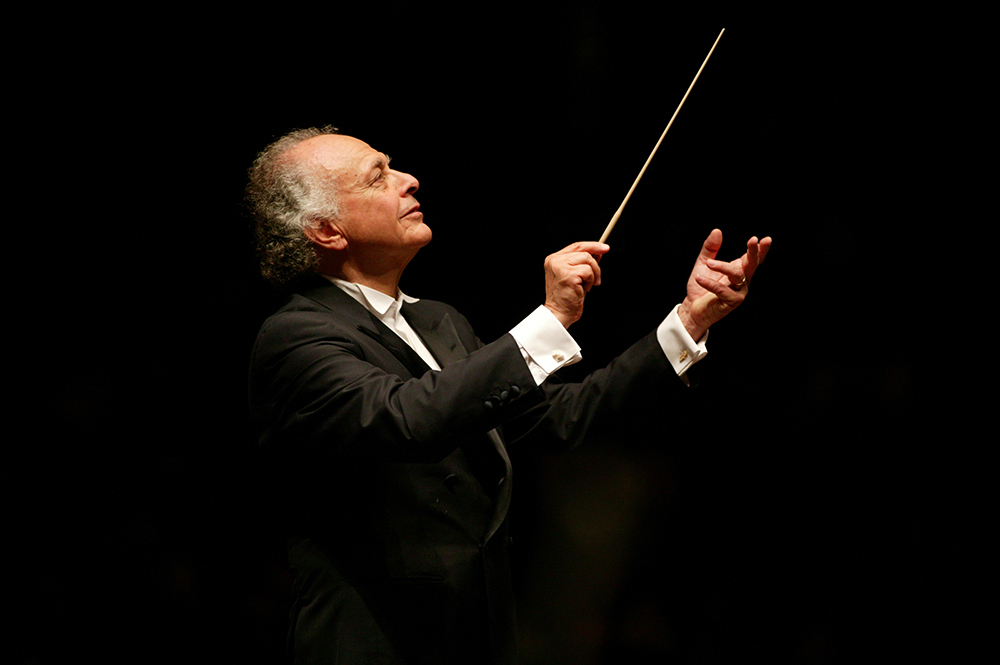
Maestro | noun | \ˈmī-(ˌ)strō\ | The term originates from the Italian “maestro”, meaning “master” or “teacher”). It is used as an honorific for prominent classical music and opera conductors, and less so for solosts, and teachers. In Italian opera, the term is used for musicians who act as répétiteurs (accompanist, tutor or coaches) as well as assistant conductors during performances (maestro sostituto or maestro collaboratore).
Usage | “The venerable maestro took an immediate liking to the players and was delighted with their performance.”
See more from the CLASSICAL LEXICON: HERE.


Latest posts by Ludwig Van (see all)
- COFFEE BREAK | The World’s Oldest Surviving Piano Sounds Better That You’d Think - May 1, 2019
- FEATURE | Shen Yun Symphony Orchestra Brings Human Dialogue To Toronto - September 11, 2017
- Q&A | 43 Questions For Tenor Asitha Tennekoon - June 19, 2017