By Michael Vincent on December 2, 2014
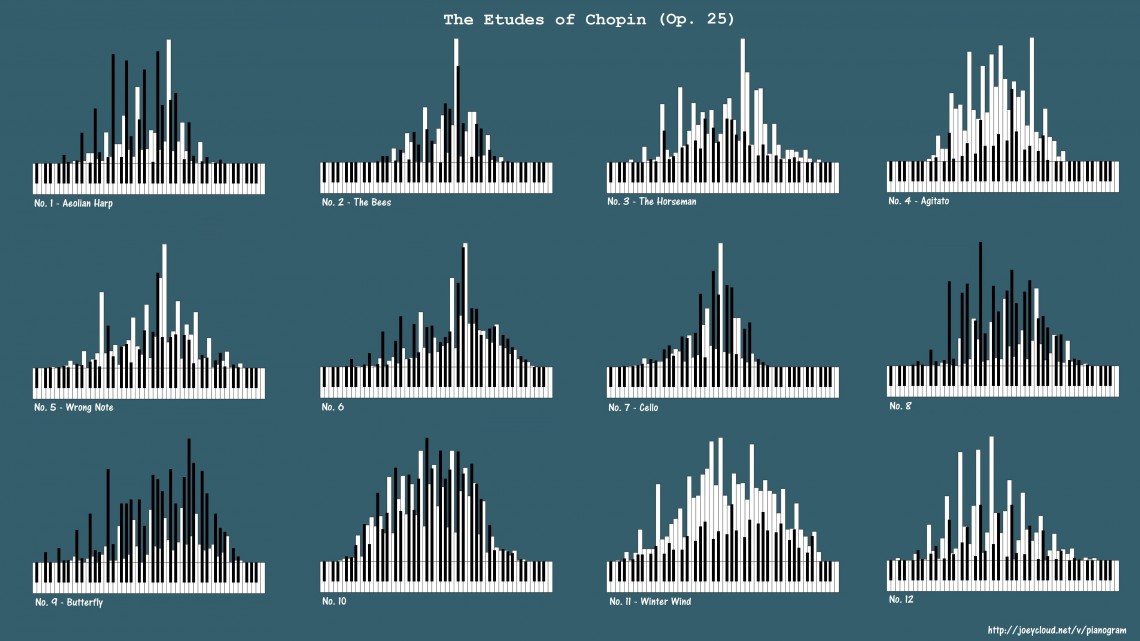
Pianists, which etude will you scale next? We'll be looking for the complementary set to Chopin's Opus 10 next...
(Continue reading)
By Curtis Perry on December 2, 2014
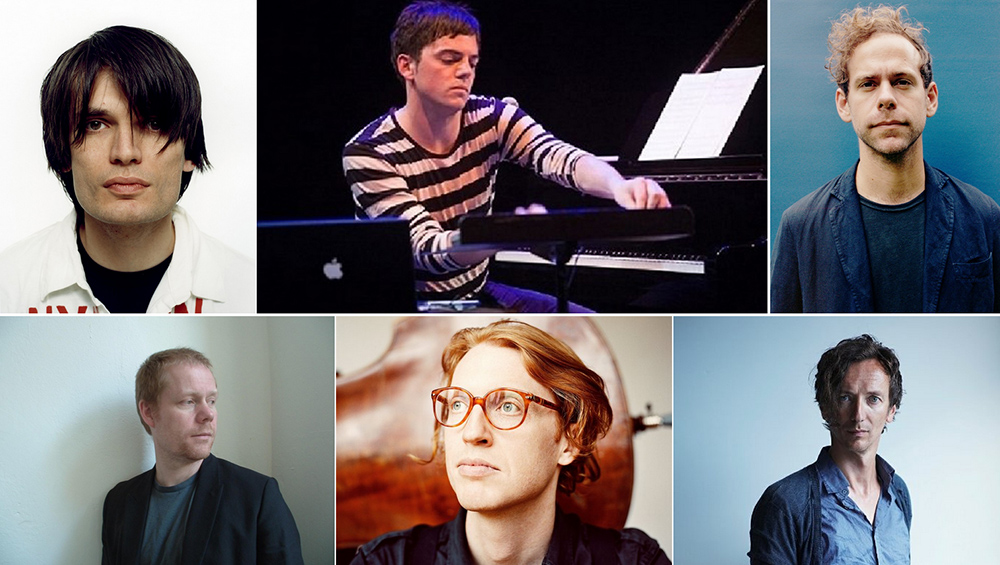
Let’s presume this ‘indie-classical’ moniker isn’t going away. We have a cast of certain regular suspects: Nico Muhly, Bryce Dessner, Richard Reed Parry, Max Richter, Hauschka, and Jonny Greenwood. I enjoy these folks’ work as much as anyone, but unfortunately they represent, in aggregate, a systemic issue that listeners ought to leave behind in the classical world. This isn’t anyone’s fault in particular. Dismantling a patriarchal system that took hundreds of years to build is simply going to take some time. It’s why we hear about “women composers” in the papers, but never hear about “men composers.” It’s why there is a lopsided gender ratio among members at the Canadian Music Centre. It’s why we don’t ask men how their gender and maleness informs their music. And this all needs to be reconsidered.
(Continue reading)
By Michael Vincent on December 1, 2014
 (Continue reading)
By Jenna Douglas on December 1, 2014

Opera doesn't make money, it never has, and we all know it. I was recently asked about opera's economy and why opera companies have never functioned as a for-profit theatre company. The theoretical comparison was between the Canadian Opera Company and Mirvish Productions. My initial response to the question of a business model was that there was simply not enough money. Opera is expensive to put up, and expensive to maintain; Mirvish Productions was funded with Ed Mirvish's wealth, and designed to make money from its theatres and productions. As with most opera and theatre companies worldwide, the COC receives government grants, and both corporate and individual donations to supplement their revenue from ticket sales. Without that kind of support, the math simply wouldn't add up. We know this in the theatre industry; it's nothing new. So, with all the generous donors keeping opera afloat, why hasn't there been a notable attempt to invest in starting an opera company that will eventually self-sustain?
(Continue reading)
By Paul E. Robinson on December 1, 2014
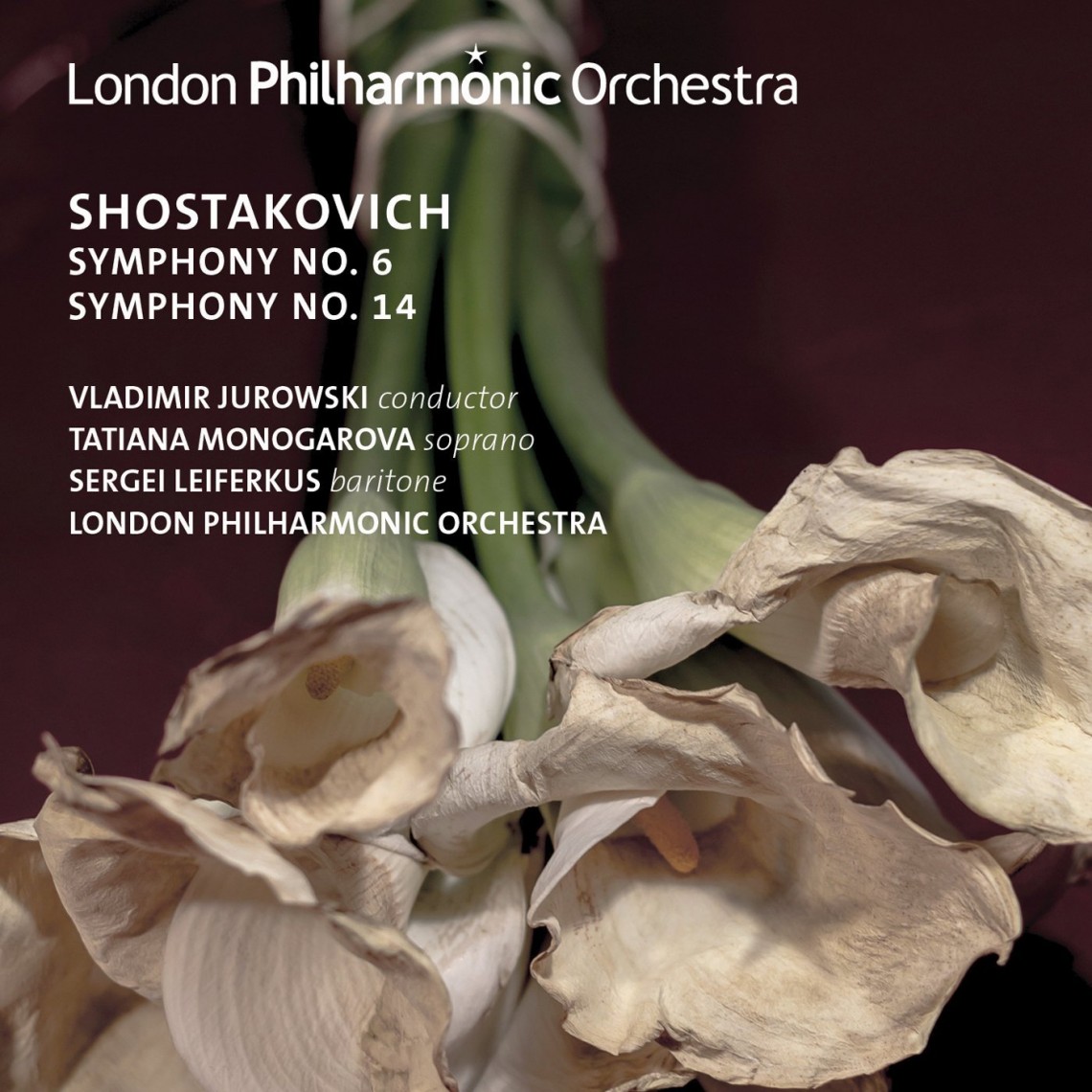
Just over a month ago the London Philharmonic and its music director Vladimir Jurowski gave a concert in Roy Thomson Hall that elicited rave reviews. The major work on the program was the Symphony No. 8 by Shostakovich. Clearly, Jurowski had a special affinity for the music of this composer. Here they are again, on a new CD on the orchestra’s own label, and again playing symphonic music by Shostakovich. And again it would be appropriate to reach for the superlatives.
(Continue reading)
By Michael Vincent on November 30, 2014
 (Continue reading)
By Colin Eatock on November 30, 2014
Who makes classical music funny? Victor Borge did it, and so did Anna Russell. The violin-piano duo of Aleksey Igudesman and Richard Hyung-ki Joo are also funny. Ted Dykstra and Richard Greenblatt are hilarious in their show Two Pianos Four Hands. And let’s not forget Peter Schikele (a.k.a. “PDQ Bach”), Dudley Moore, Steve Martin, Bugs Bunny and Monty Python.
(Continue reading)
By Michael Vincent on November 28, 2014

It’s been a challenging few years for the Toronto Symphony Orchestra. With a 15% drop in attendance, a 1.2 million dollar deficit from last year (and $800,000 the year before) the stakes are high.
(Continue reading)
By Michael Vincent on November 28, 2014
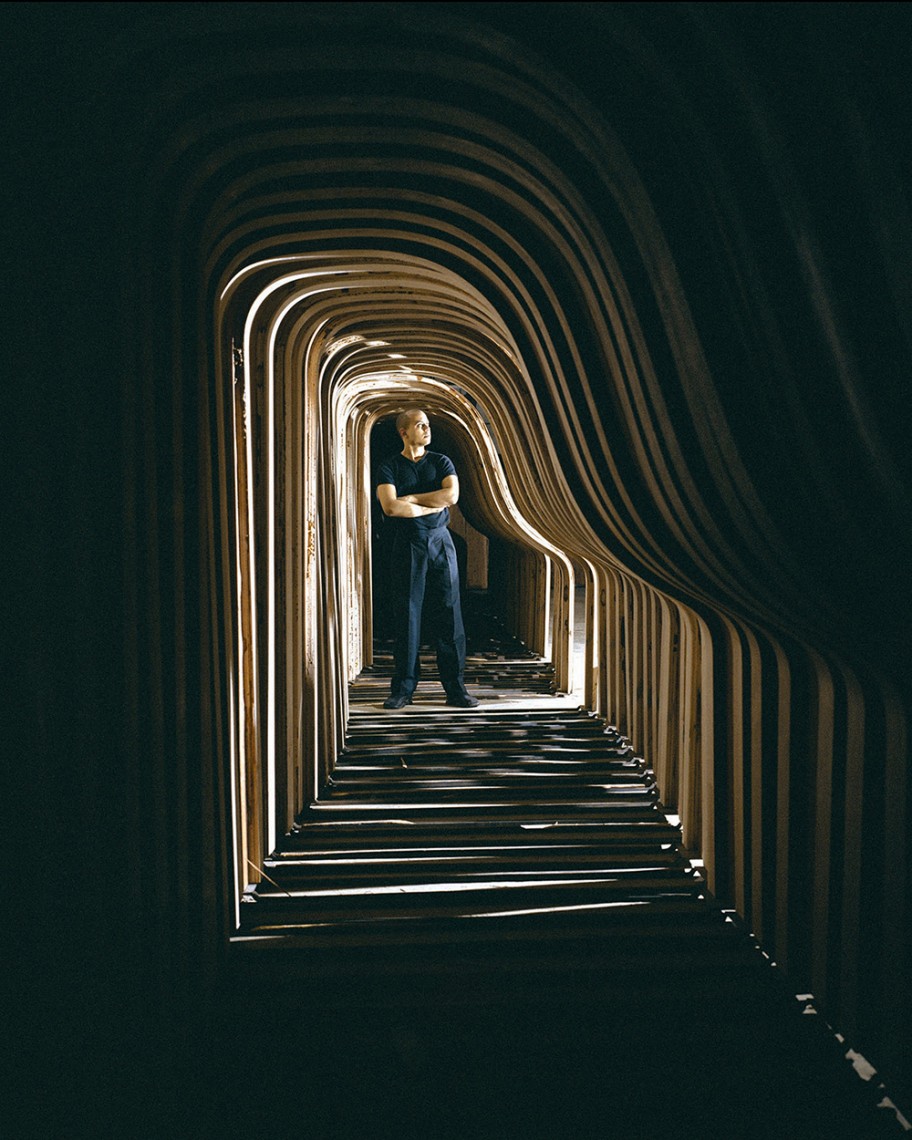
Just mentioning the name, Stuart Goodyear around Toronto and people perk-up. To call him a pianist really doesn't cut it. He's more of a one man phenomenon - a piano superhero of sorts.
Goodyear began his training at The Royal Conservatory in Toronto, and has become a go-to soloists for orchestras around the world, including Philadelphia Orchestra, New York Philharmonic, Chicago Symphony, Los Angeles Philharmonic, Cleveland Orchestra, Montreal Symphony, Toronto Symphony Orchestra (just to name a few)...
(Continue reading)
By Member on November 27, 2014
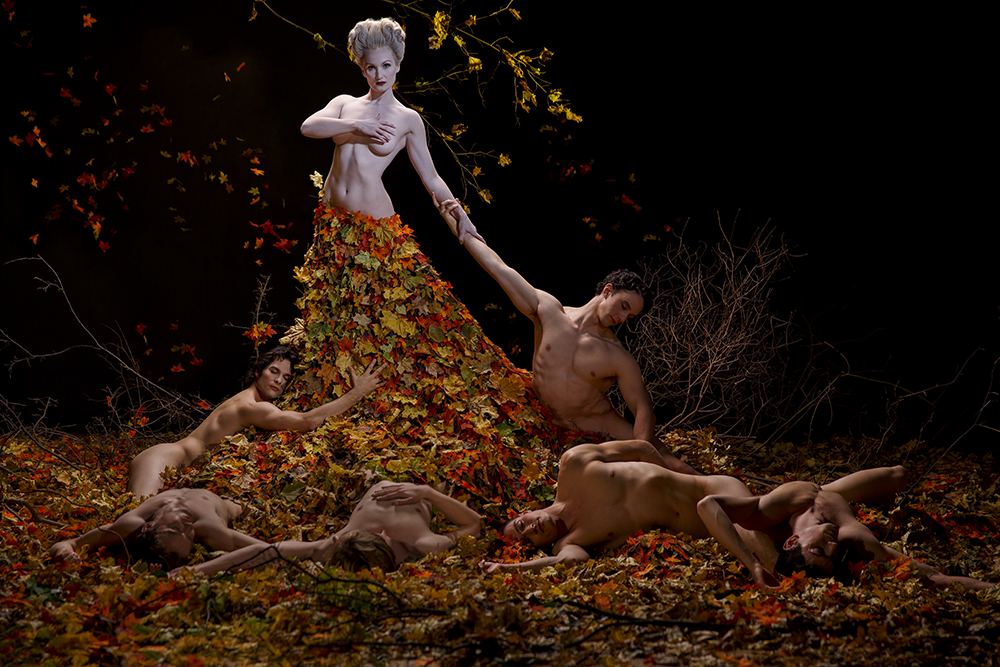
Opera Atelier is a world leader in the rediscovery and revitalization of period opera and ballet, particularly works from the Baroque era. Through their historically informed productions, Founding Co-Artistic Directors Marshall Pynkoski and Jeannette Lajeunesse Zingg seek to provide a thrilling theatrical experience for modern audiences. Opera Atelier’s productions are performed with Tafelmusik Baroque Orchestra on period instruments, and incorporate music, dance and theatrical staging with strong production values.
(Continue reading)