
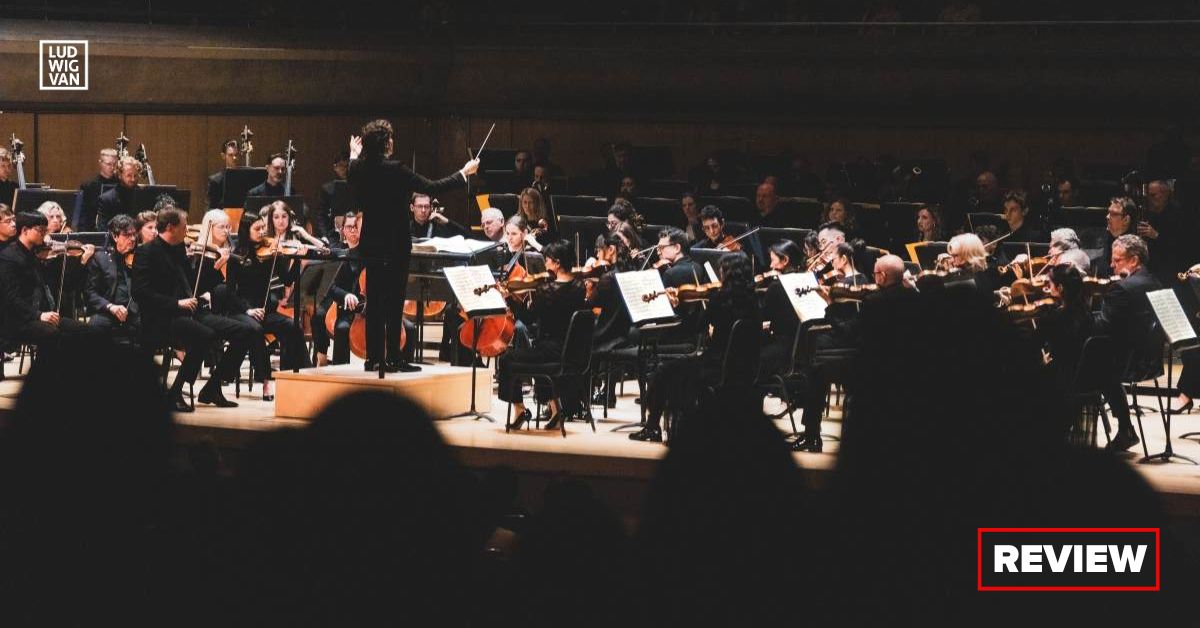
Toronto Symphony Orchestra: Mahler’s Ninth. Gustavo Gimeno, conductor. February 19, 2026, Roy Thomson Hall.
Of all Gustav Mahler’s symphonies, the Ninth is one of the least imprinted on the collective imagination. The Second has its apocalyptic blaze, the Third its Nature-to-Man-to-Godhead programme, the Fifth its Adagietto.
The Ninth, the last he lived to complete, resists such pithy definitions. Elusive and inward, painful and declamatory, it seems to dissolve even as it unfolds. In performance, therefore, much depends on the conductor’s overarching vision.
For Gustavo Gimeno, leading the Toronto Symphony Orchestra ten days after their return from a two-week European tour, the Ninth, as he stated in his brief pre-concert address, is not so much about death as about life — more particularly how to take leave of it.
The distinction proved crucial. His reading was propelled by a forward current, passionate yet never indulgent, shaped with a firm, almost Prospero-like authority, yet at the same time by a growing awareness of the transience of life — “we are such stuff as dreams are made on”.
First Movement
The opening Andante comodo emerged from a state of uneasy semi-consciousness. The haunting four-note motif and the irregular pulse — memorably associated by Leonard Bernstein with Mahler’s ailing heart — suggested anxiety rather than collapse, a heightened, half-awake vigilance from which the music drifted into alternately soothing and tormented visions of life.
Climaxes erupted with snarling brass and flashes of protest, yet Gimeno refused to sentimentalize either the anguish or the nostalgia. The funeral-march episodes felt less like death itself than a premonition of it. Notated rubatos were acknowledged but seldom lingered over, to the point where a little more space to breathe would have done no harm. Still, the line never sagged, and the more disembodied, chamber-like passages retained a fragile clarity.
Second & Third Movements
The second movement Ländler carried a persistent, almost nagging bite that almost overshadowed its rustic charm. Red-blooded and rhythmically alert, it also stopped short of the macabre, which is where the movement seems to be inexorably drawn.
If anything, the generalized sardonic undercurrent and drive threatened to overwhelm both the music’s countryside warmth and its glimpses of the abyss.
Mahler’s Rondo-Burleske began with demonic ferocity, at the swift extreme of feasible tempos. Its hyperactive counterpoint was delivered with raw energy and a barely contained sense of danger. Here the orchestra’s exactitude, and Gimeno’s characteristically clear beat, ensured remarkable transparency amid the tumult.
Fourth Movement
Within the infernal drive, the fleeting, menacing intimations of the Adagio to come were tenderly yet poignantly acknowledged before being swept aside.
A substantial pause before the finale somewhat diffused the violent impact of what had preceded. Yet the Adagio itself avoided any overemphasis on tragedy. If this was valedictory music, it was certainly not lachrymose.
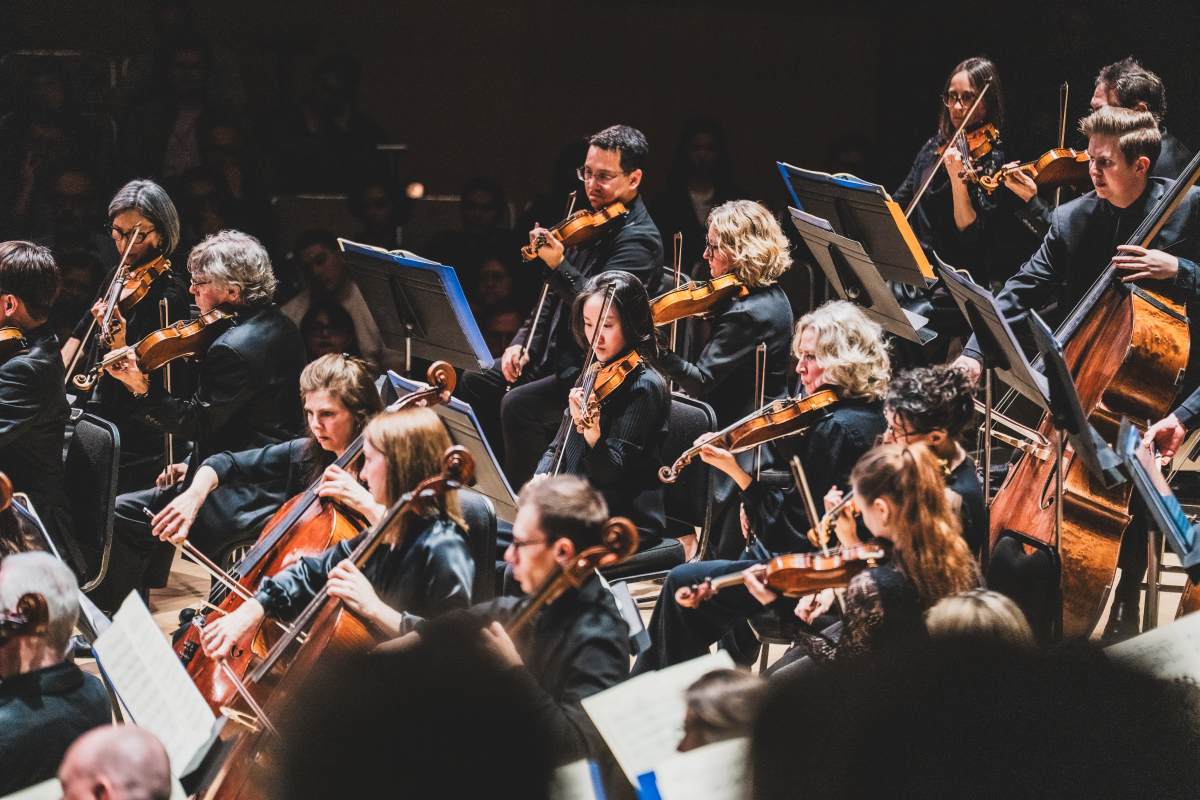
Gimeno shaped it as a hymn to love of life — his own phrase — with surging violins and touching fragility in the solos. The forward-looking flow persisted, but was now transfigured into reflection rather than urgency. The brief viola solo was especially eloquent, somehow emblematic of an orchestra on formidable form after its tour.
Final Thoughts
Nobody could accuse Gimeno of mannerism or self-indulgence. His control is formidable and the beat is always exact. Yet there were moments when I longed for him to let go more fully and to allow the music’s edges to blur and fray.
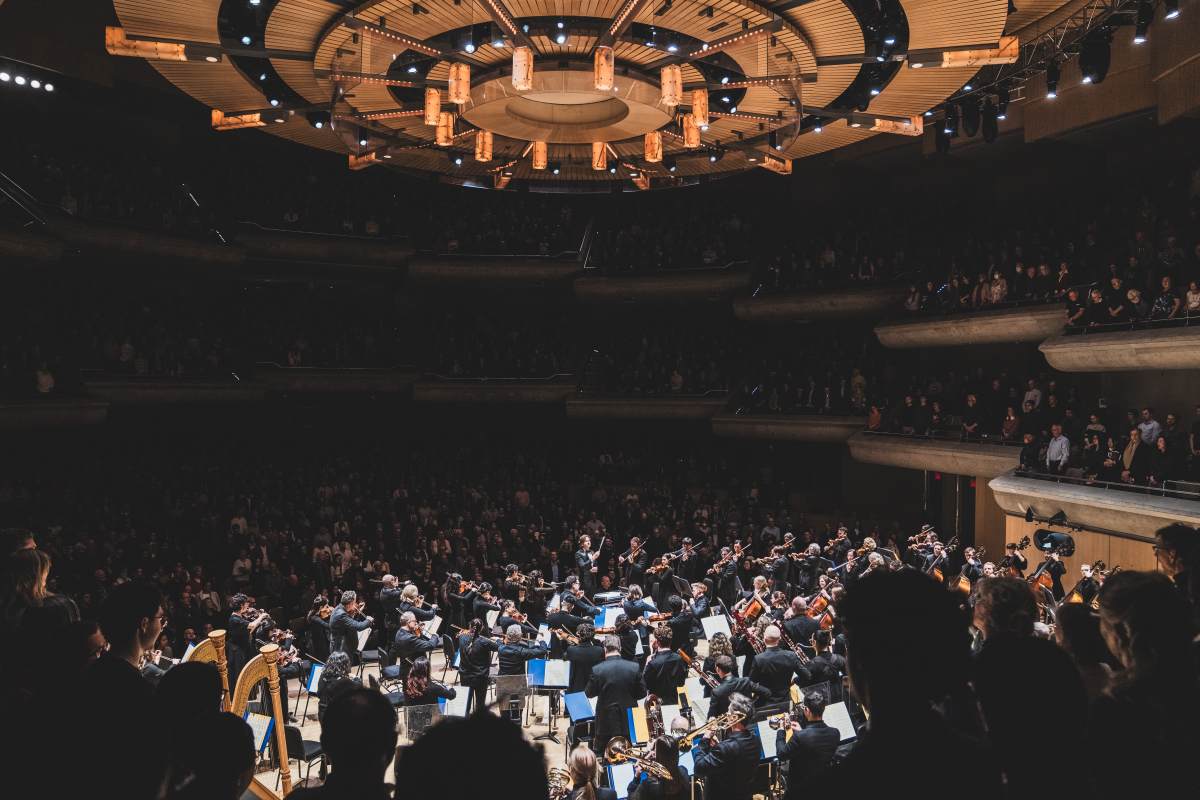
Even so, the closing pages achieved a rare serenity. As the last phrases gradually thinned into near-silence, the lights were gradually lowered until only the strings were illuminated — a daring but effective gesture.
The audience, earlier conspicuously bronchial, held its breath. Music and silence blended almost imperceptibly, the stillness too delicate to disturb. Gimeno sustained the moment as long as he could, as though holding back the encroaching void.
“And our little life is rounded with sleep”.
Are you looking to promote an event? Have a news tip? Need to know the best events happening this weekend? Send us a note.
#LUDWIGVAN
Get the daily arts news straight to your inbox.
Sign up for the Ludwig Van Toronto e-Blast! — local classical music and opera news straight to your inbox HERE.

- SCRUTINY | Yefim Bronfman’s Recital At Koerner Hall Is A Tale Of Two Halves - February 23, 2026
- SCRUTINY | Clarity At The Threshold of Silence: Gimeno Leads Toronto Symphony In A Life-Affirming Mahler 9th - February 23, 2026
- SCRUTINY | Tafelmusik’s Messiah: Handel-ed With Care - December 19, 2025