
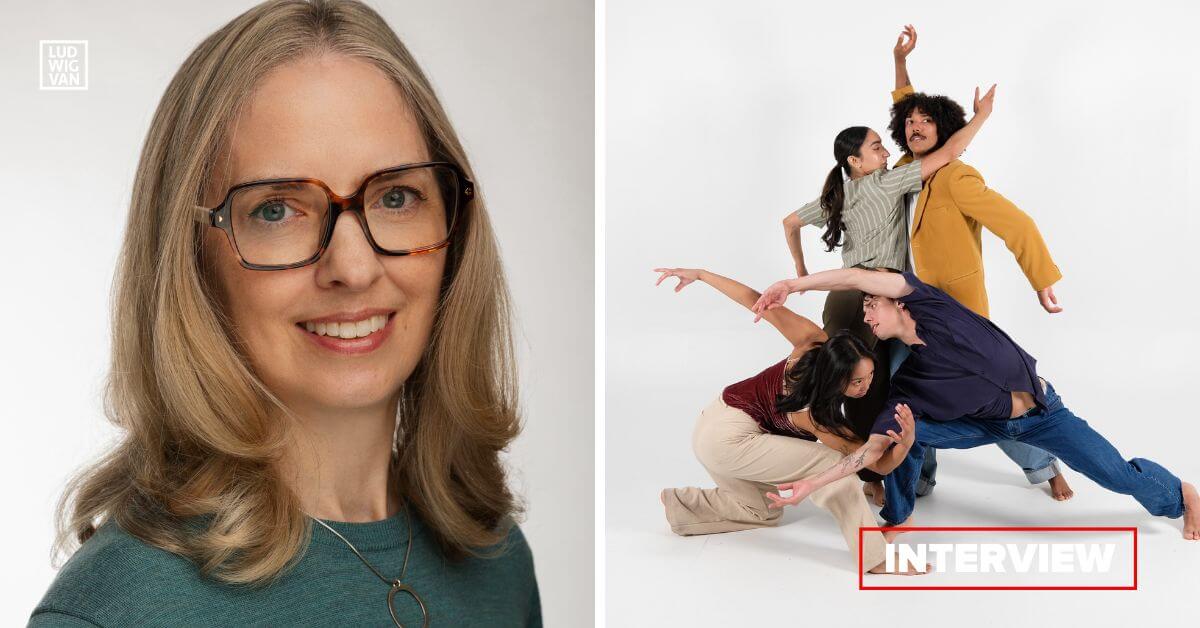
It’s no secret that the career of a dancer can be a fragile one, threatened by injury and accidents, and one that typically ends at an age when many other artists are considered to be in their mid-career stage.
The International Organization for the Transition of Professional Dancers (IOTPD), an organization that’s focused on global collaboration and career advocacy for dancers, will be holding a gathering in Toronto from October 22 to 24, 2025.
The meetings will be presented by Toronto’s Dancer Transition Resource Centre (DTRC) with the International Organization for the Transition of Professional Dancers in association with Fall for Dance North.
The Dancer Transition Resource Centre (DTRC), a national, charitable organization dedicated to helping dancers make necessary transitions into, within, and from professional performing careers, was founded in 1985. The IOTPD has been advocating for dancers since 1993. Delegates from sister organizations from around the world will be meeting in Toronto to discuss career development, transition support, and long-term sustainability for dancers, comparing notes from different areas of the globe.
The annual gathering coincides with DTRC’s 40th anniversary, and culminates with a panel discussion that’s open to the public on October 23 titled Global Perspectives on Dancer Career Development: A Panel Discussion, hosted by P. Megan Andrews, Executive Director, Dancer Transition Resource Centre.
LV spoke to P. Megan Andrews, PhD, dance artist and scholar, movement educator and writer/editor, and Executive Director of DTRC, about the organization and the discussion.
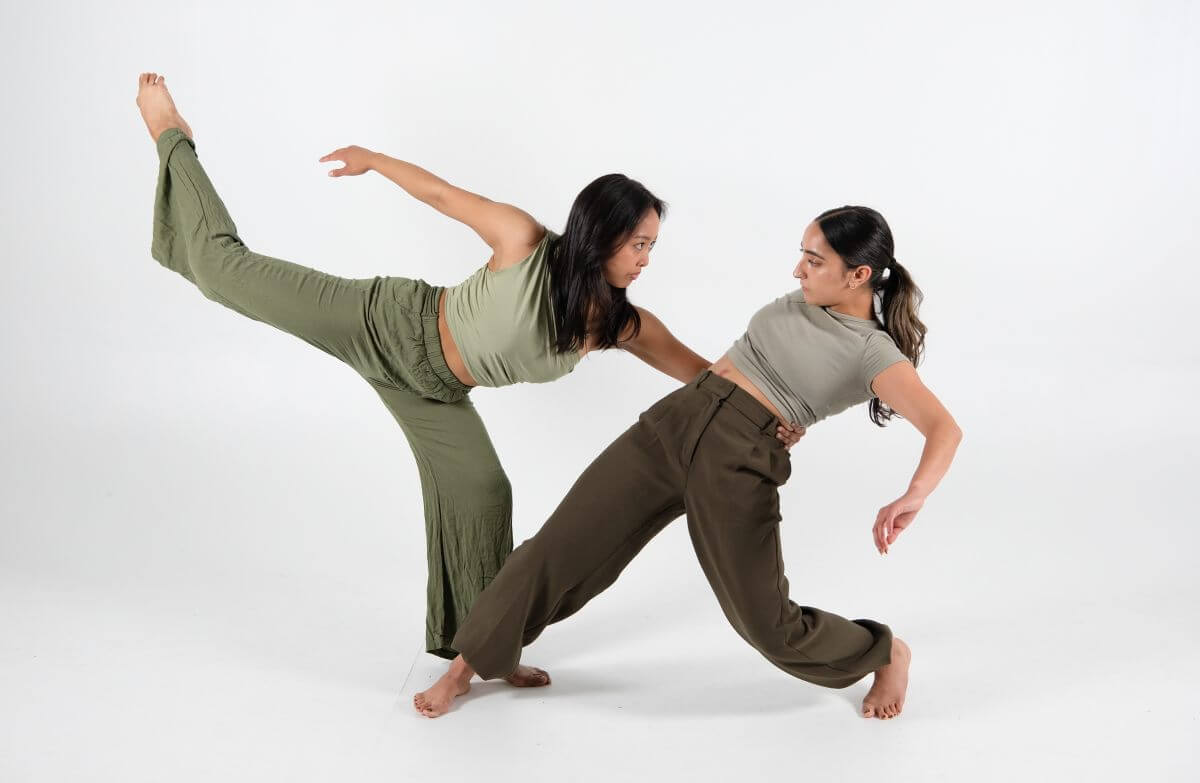
P. Megan Andrews: The Interview
Transitioning out of an active dance performance career often isn’t part of the usual dancer training.
“I think it depends on the school,” Andrews remarks, “but it hasn’t typically been part of the conversation.”
She points out that dance schools are usually focused on the intensive training required to give students the skills of a professional dancer, which doesn’t leave a lot of time or space to discuss what happens afterwards. It’s also a difficult issue to grasp for someone just starting out.
“It is,” Megan acknowledges. Hence, DTRC and other organizations. “This is what I’m doing, this is what I’m devoting my life to, and I don’t see it ending.”
The way a dance career ends is also something that is difficult to contemplate.
“It’s sometimes by choice that people perform and have a career in the arts, and then choose to make a change, but of course there’s a high risk of injury in this field,” she points out. “It can come by chance. That can be incredibly challenging and devastating.”
Even a temporary disability can derail a career. “An injury means you can’t do your training or your work anymore. That’s another reason for the supports that we offer.”
It’s not only the practical matters of physical rehab or adaptation. It’s also an issue that affects mental health.
“The art form and practice is so much a core of one’s identity,” Andrews notes. It’s a situation that’s not dissimilar to actors, athletes, and other professions, but for dancers in particular, your profession is inextricably linked to the core of your body.
“Any kind of transition is fraught with those questions of who am I?” she notes. “Because dancers often start when they’re three, and it’s part of their life at an early age. It’s indelibly part of who one is. It’s a very delicate conversation.”
DTRC wants to make those conversations more public to take away the stigma, and to educate. “It’s not been something that we historically foregrounded,” she says.
The organization aims to support dancers in every way possible. “We do have a counselling program,” she points out. The program looks to support dance professionals in both personal and career goals, along with financial counselling and other practical matters.
“We support wellness and learning.”
Supporting Artists
DTRC is there for dance artists not only at the end of their careers, but to help them along the way as well.
“I want to add one more nuance to that, because something that we often find when we talk about the DTRC, it’s about the ultimate transition out of the field, but many of our programs are there for our dancers while they’re in their careers.”
The many issues dancers often face are relocating to pursue work, facing rejection, the audition circuit, and the need to find a parallel career pathway.
“It’s actually rare to be a full time dancer,” she points out “We’re supporting wellness.”
It’s about helping them to build resilience and sustainability as an artist, while you’re still a practising artist. The idea of having a second career can be problematic.
“Dancers don’t want to talk about it,” she says “There is a kind of myth, I would say, that if you’re not all in, fully committed and no time for anything else, somehow you’re a lesser artist. I’d like to dispel that.”
As she points out, pursuing other passions makes you a better artist in the end.
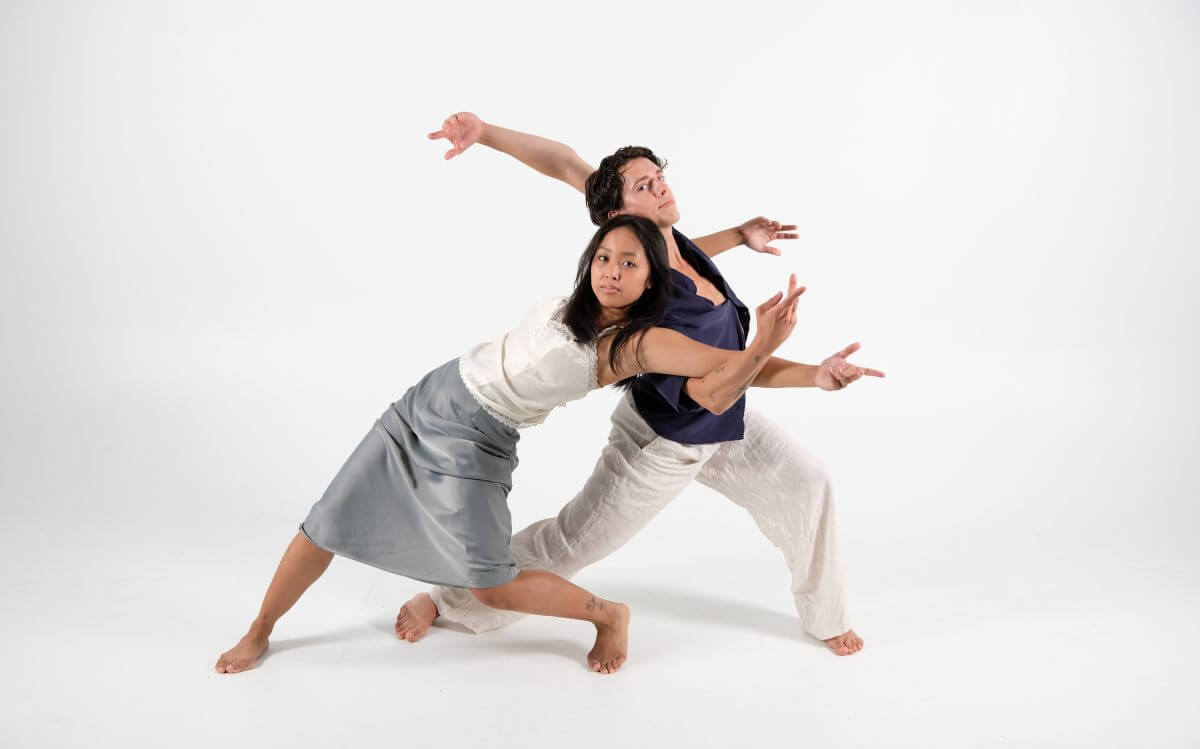
The Discussion
DTRC is a member organization of the IOTPD, an international assembly of similar organizations. Each is slightly different, however, which makes getting together to discuss policies and practises essential.
“That’s the gathering that’s happening,” Andrews says. “We’ll be talking about exactly that, circumstances in different countries,” she adds.
“Part of my hope is that we can talk in public about some of these issues.”
An international discussion is essential for pragmatic reasons as well. “Dancers move around a lot,” she points out. “We’re working to enhance our international collaborations. Learning about what dancers are facing today in different regions and different parts of the world, we can also hold hands and work together.”
Along with the discussions revolving around practices, the event will also pay tribute to the Dancer Transition Resource Centre and its founder, Joysanne Sidimus. Sidimus wrote a book on the subject titled Life After Dance that was published in 1987. While she began researching the topic, she was working in an environment where no such supports existed.
Canada’s DTRC was one of several organizations that formed globally in the 1970s and 1980s. The environment for dance and the arts in general has shifted over the last 40 years, but the message is still the same.
“Yes, we have this incredible founder at the inception of this organization, and this organization has done quite incredible work […] for forty years — and let’s look to the future. We’re still relevant. The context has shifted, but we’re still here.”
She’s grateful for the support the organization receives from arts councils at various levels, a variety of foundations, and private donors that have been there since the beginning.
“It’s really about community.”
Event Details
The international panel discussion will revolve around challenges and successes in supporting dancer career development and transition across the globe.
The panel discussion takes place on Thursday, October 23 from 2 to 4 p.m. at the Centre for Social Innovation-Spadina (192 Spadina Ave, Suite 101).
- Find tickets [HERE].
Are you looking to promote an event? Have a news tip? Need to know the best events happening this weekend? Send us a note.
#LUDWIGVAN
Get the daily arts news straight to your inbox.
Sign up for the Ludwig Van Toronto e-Blast! — local classical music and opera news straight to your inbox HERE.


- PREVIEW | Classical Guitarist Alexandra Whittingham Makes Toronto & Ontario Debuts - March 13, 2026
- PREVIEW | Soundstreams Presents Quatuor Bozzini: With Strings Attached - March 13, 2026
- INTERVIEW | Award-Winning Librettist & Against The Grain AD Royce Vavrek Talks About Canuck Cantatas - March 13, 2026