

American conductor James Gaffigan suggested to his audience at Roy Thomson Hall on Thursday night that, if there were a theme for the evening’s Toronto Symphony Orchestra programme, it would be “Once upon a time.” He was absolutely correct, right down to the happy ending.

- Classical Music 101: What Does A Conductor Do? - June 17, 2019
- Classical Music 101 | What Does Period Instrument Mean? - May 6, 2019
- CLASSICAL MUSIC 101 | What Does It Mean To Be In Tune? - April 23, 2019
The guest soloist was soprano Measha Brueggergosman, taking a moment out from being a new mother to sprinkle some vocal fairy dust on an old concert haunt.
It was great to see and hear her back in town, in fine form.
Brueggergosman sang pieces by Samuel Barber and Henri Duparc that require a delicate mix of power, emotion and subtlety.
Barber’s magical 1947 setting of Knoxville: Summer of 1915 mixes melancholy and happy nostalgia in equal measures, giving Brueggergosman all sorts of opportunities to deploy not only her voice but rich artistry. She captured the wistful side of the text without ever sounding cloying.
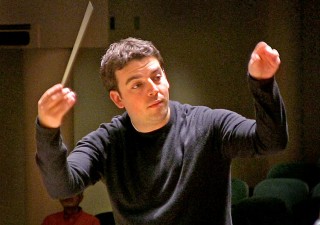 Gaffigan and a wonderfully balanced and responsive orchestra were ideal partners. All of the music on the evening’s programme was full of evocation, an opportunity for a strong conductor and willing orchestra to really work some magic.
The results were a little less happy in four favourite mélodies by Henri Duparc. The composer returned to them after he retired from public life in the 1880s, turning the piano accompaniment into a rich, evocative orchestration. It sounds beuatiful, but it also creates all sorts of performance challenges, not the least of which is not drowning out the vocal soloist in orchestral colour.
What we did hear was gorgeously sung by Brueggergosman, but, unfortunately, she spent much of the time drowned out by the other people on stage.
Another dose of French orchestral shimmer opened the programme: Selections from Maurice Ravel’s Mother Goose suite, performed with a precious, rare delicacy that was pure fairy tale.
Gaffigan had a chance to show off a more muscular side of his musical personality at the end of the evening, with Igor Stravinsky’s 1919 version of the Firebird ballet suite for orchestra.
And the whole evening was a showcase for an orchestra sounding very nice, from golden strings to nearly flawless woodwinds.
Despite the balance problems in the Duparc songs, this programme is pure magic — one that is likely to get repeated at the repeat performance on Saturday night. Don’t miss it (details here).
John Terauds
- Classical Music 101: What Does A Conductor Do? - June 17, 2019
- Classical Music 101 | What Does Period Instrument Mean? - May 6, 2019
- CLASSICAL MUSIC 101 | What Does It Mean To Be In Tune? - April 23, 2019