

With the 2012 Olympics nearly here, prepare to see a lot of intensely focused faces beamed around the world from London. They’ll be athletic mirrors of every great singer, conductor, pianist, violinist and orchestral timpanist.
Everyone is aware of the basic needs: dedication to your chosen activity, a commitment to practise longer and harder than your mind and body would normally allow, a need to want to risk public humiliation.
But there’s another sort of focus essential to a fine music performance that’s not about endurance or technique or bravado.

- Classical Music 101: What Does A Conductor Do? - June 17, 2019
- Classical Music 101 | What Does Period Instrument Mean? - May 6, 2019
- CLASSICAL MUSIC 101 | What Does It Mean To Be In Tune? - April 23, 2019
It’s about finding the true intention of each piece of music, of a performer knowing exactly how they want it to sound and then marshalling the means to achieve this. Truly great artists have learned how to bridge the two. Promising artists are the ones who have a a pretty good idea but are still trying to figure out how to make it all come together.
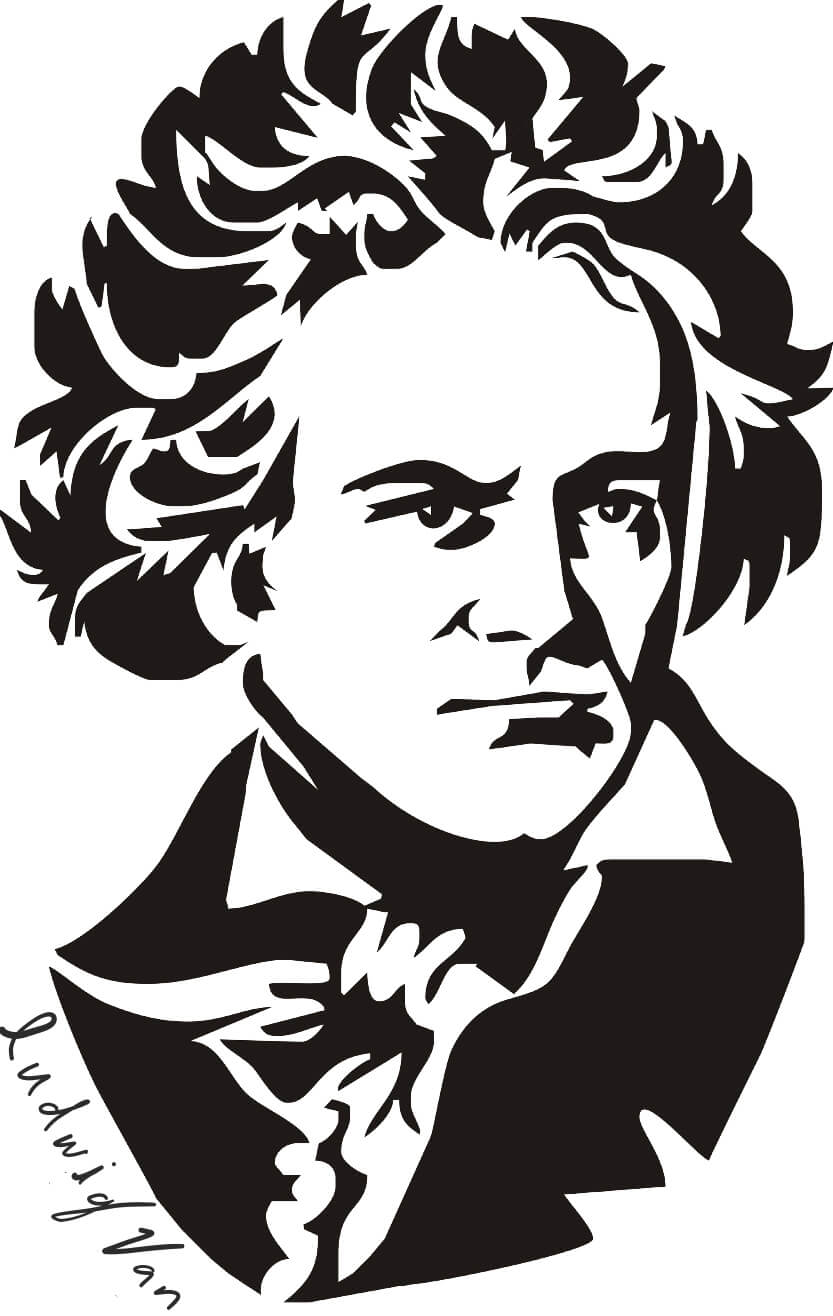
Yesterday’s Beethoven pop-up concert at Heliconian Hall and today’s feature by Jessica Duchen in The Independent on veteran Dutch conductor Bernard Haitink’s conducting master classes at the Lucerne Easter Festival reminded me of this.
Each person who got up on stage last night had intense focus. In many cases, it was a teeth-gritted desire to simply get through their piece of music. But one of the youngsters, a teenager, was different. He knew what he wanted to do with the music and applied his focus to that, making for a completely different experience, the kind that makes the critic sit up and think, now here’s someone to keep an eye on.
Duchen describes the 83-year-old Haitink’s interactions with young conductors in the Lucerne master classes. In many cases, the result is a conductor doing more communicating using less movement of their bodies and arms.
As Duchen writes at the conclusion of her article (a wonderful read on her blog, here), “Life lessons are here, too: concentrate energy on the essentials, rather than expending it on diffuse peripheries, and maybe the rest follows.”
Last night’s concert was one of the regular reminders I get of how it’s not concentrating energy that’s so difficult, but, musically speaking, figuring out where and how to concentrate it in the narrative of a performance.
Of course, merely becoming conscious of this only opens the doors to a huge new room filled with questions — both for the artist as well as the listener.
+++
For a long-form example of how this is done, there’s a beautiful concert featuring French harpist Xavier de Maistre, the Orchestre de Paris and conductor Kristjan Järvi at the Salle Pleyel from Thursday night streaming for free at medici.tv. Among the Spanish treats on offer is a breathtaking performance of Joaquín Rodrigo’s Concierto de Aranjuez (originally written for guitarist Narciso Yepes, Rodrigo created a harp transcription for Nicanor Zabaleta).
Even if you think you’ve heard the Concierto de Aranjuez one too many times, try listening to de Maistre’s version.
Two more examples of what I’m talking about are Andras Schiff performing J.S. Bach’s French Suite No. 3, followed by Angela Hewitt playing No. 4 at Koerner Hall, courtesy of CBC Music. The results are very different, but the focus is the same:
John Terauds
- Classical Music 101: What Does A Conductor Do? - June 17, 2019
- Classical Music 101 | What Does Period Instrument Mean? - May 6, 2019
- CLASSICAL MUSIC 101 | What Does It Mean To Be In Tune? - April 23, 2019