
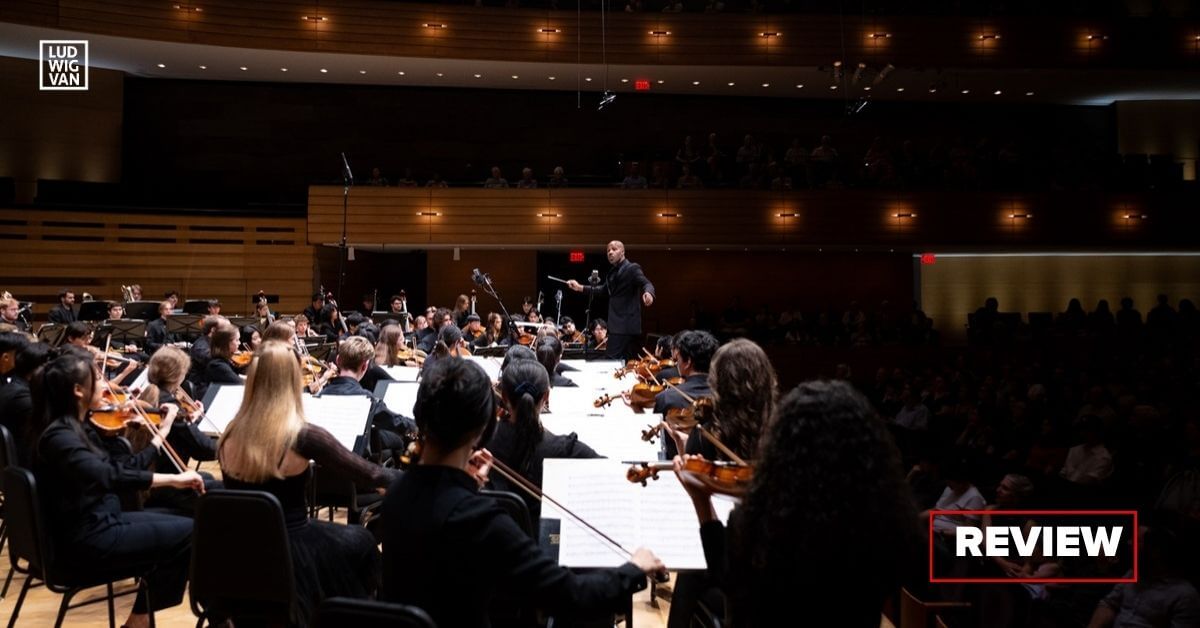
National Youth Orchestra of Canada: Canadiana Tour. William Grant Still (1895–1978) | Symphony No. 2 in G minor (“Song of a New Race”); Edward Elgar (1857–1934)| Cello Concerto in E minor, Op. 85, Sabina Sandvoss, soloist; Liam Ritz (b 1996) | Pulse (SOCAN/NYO Canada commission, World Premiere); Richard Strauss (1864-1949) | Der Rosenkavalier Suite. National Youth Orchestra of Canada, Daniel Bartholomew-Poyser, conductor. July 18, 2026, Koerner Hall.
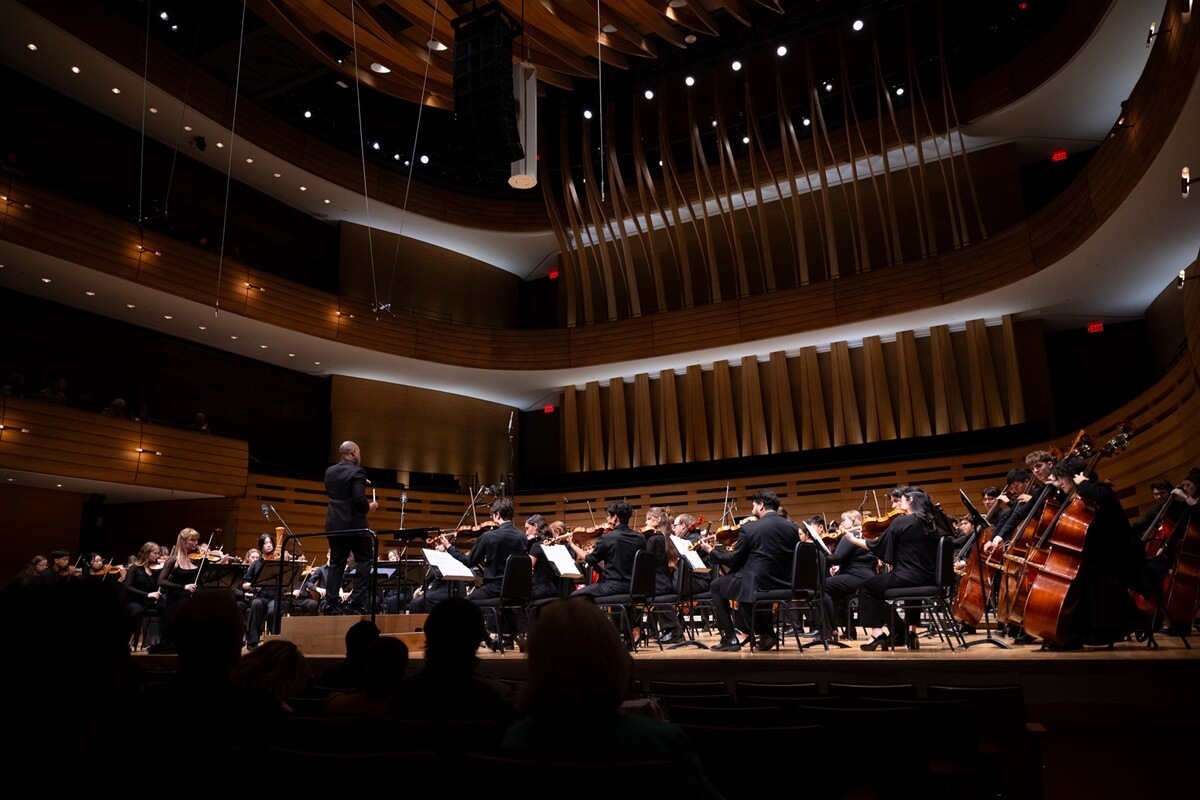
A National Youth Orchestra of Canada concert is always a standout event, made doubly so by the fact the July 18, 2026 date at Koerner Hall kicked off their Canadiana Tour. Until July 31, 2026, NYO Canada will be on the road, with four more stops between Toronto and Ottawa, finishing off at Saint-Irénée – Domaine Forget de Charlevoix.
Over the course of the tour, they’ll be performing a varied program. The Toronto audience was fortunate enough to experience not only the world premiere of a piece by young Canadian composer Liam Ritz, but also the performance of cellist Sabina Sandvoss, the first prize winner of this year’s Michael Measures Prize, as soloist for the Elgar Cello Concerto — and the debut of Daniel Bartholomew-Poyser as the orchestra’s new Music Director in concert.

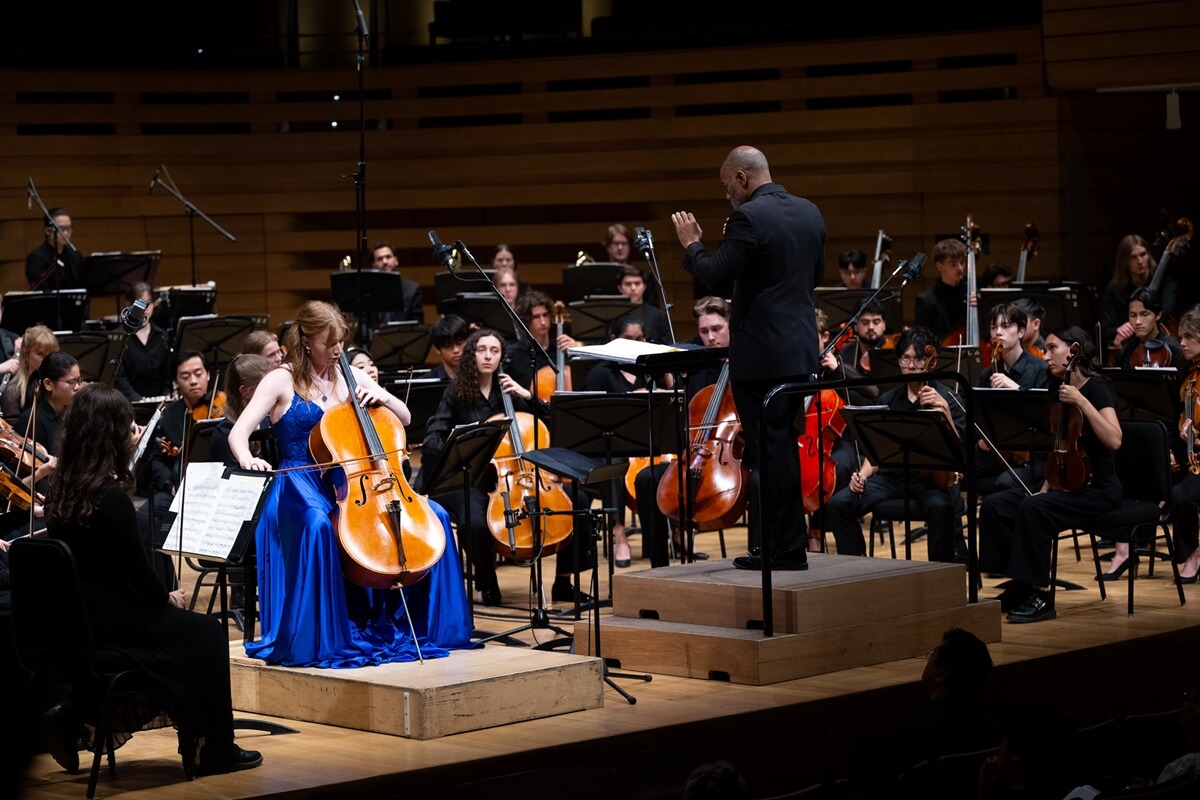
William Grant Still: Symphony No. 2 in G minor (“Song of a New Race”)
The program led with Still’s Symphony No. 2, which NYOC conductor Daniel Bartholomew-Poyser remarked afterwards was his favourite of all Still’s work.
Still’s music is cinematic and storytelling in scope, with varied textures and moods that ranged from lyrical to highly dramatic. Of special mention, some lovely work by the flutes, with Alexis Bernier playing 1st flute, and Aeri Seong on piccolo (later third flute). It wasn’t the only time during the concert that the whole flute section, also incorporating Xavier Choquette (second flute) distinguished itself with flawless intonation, superlative tones, and sensitive interpretation.
The oboe section, and clarinets, particularly Anjali Covill, also deserve singling out for their work in the Symphony, along with nice lyricism from the violas and cellos in a melodic section of the piece. In the third section, the bassoons were given a chance to shine, and they gave their time in the spotlight the attention it deserved.
The symphony ends with the softest of sighs from the violins. Overall, the orchestra handled the wide dynamic and tonal ranges, and varied rhythms of the piece with aplomb.
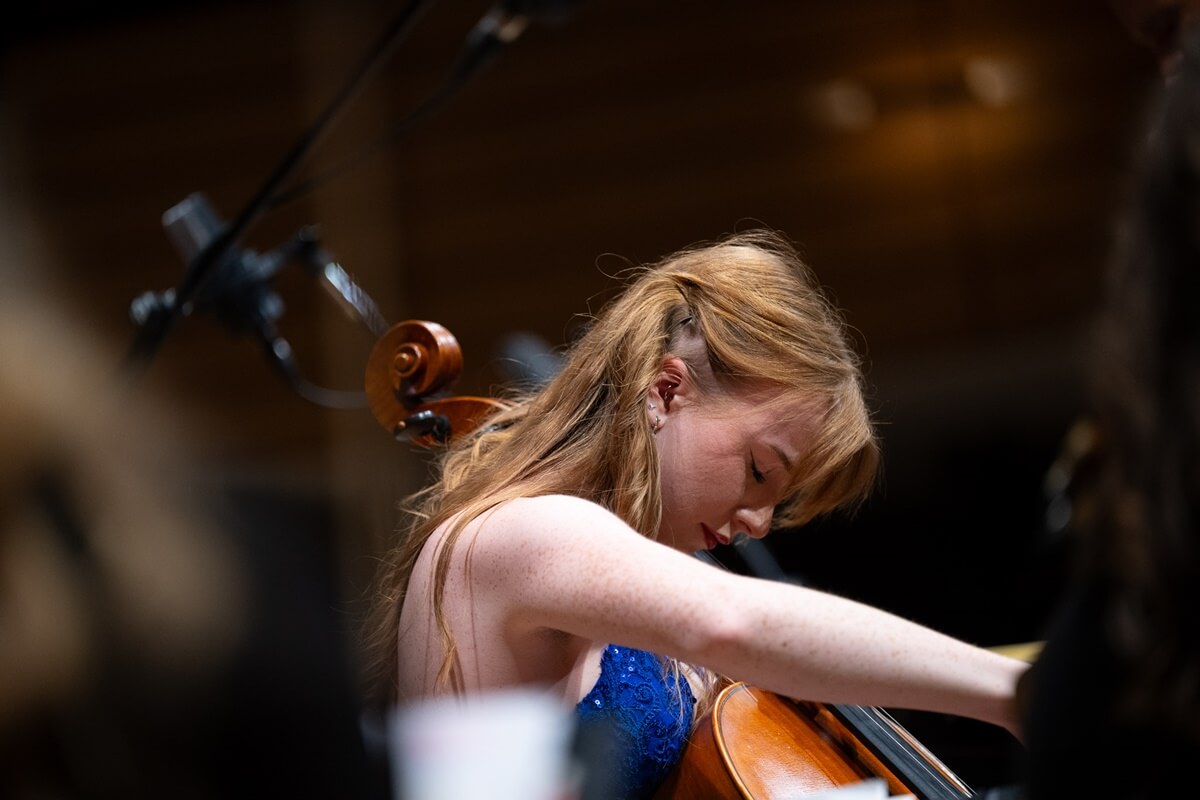
Edward Elgar: Cello Concerto in E minor, Op. 85
Sabina Sandvoss was nothing short of sensational in her turn as soloist in Elgar’s Cello Concerto. The piece is a cornerstone of cello repertoire, and should become a signature work of hers as well. A passionate performer, she offered a lovely and nuanced interpretation of the work, showcasing the instrument’s range of colours and tones from darkest to sweetest.
The orchestra worked as well with a soloist as on its own, with a good balance of dynamics. In the first movement, the melody passes from cellist to violas, then the cello section, and later the violins. It was a beautiful and seamless transition. In the second movement, the cellist blends in and out of the string section as a whole.
Elgar’s Cello Concerto demands not just virtuosity, but a refined approach, and a high degree of control over dynamics and tonal variations. Sabina handled it all in stride. The piece closes with the third movement’s rising intensity, which was balanced by the woodwind section’s colours.
The crowd immediately rose to its feet for a standing ovation that demanded three returns to the stage, and a lovely encore that she performed with her fellow cellists.
Canada has produced a string of young, virtuosic cellists who have moved from early promise to celebrated careers, such as Rachel Mercer and Noémie Raymond, to name just two. I will anticipate adding Sabina Sandvoss’ name to that list.
Liam Ritz: Pulse
The world premiere of Liam Ritz’s Pulse led the second half of the concert. After a dramatic opening, the work uses the full range of orchestral colours, including piano and harps. It features interesting rhythmic and dynamic changes at a rapid fire pace.
The full percussion section of five performers was on stage, and kept busy by the kinetic score. There were spotlight moments for harp and clarinet as well. Ritz uses striking contrasts in the work, such as setting the shimmer of strings against the full brass and percussion.
The orchestra attacked the piece with the energy it needed to soar, and Ritz received a nice round of audience applause at its completion.
Richard Strauss: Der Rosenkavalier Suite
I can’t remember the last time I heard Der Rosenkavalier Suite performed live, and it was a pleasure to hear the orchestra switch seamlessly from Ritz’s contemporary sensibilities to its lush Viennese late Romanticism.
Here, the orchestra was in full bloom, notably a string section that moved between its thrilling and intense moments to the lyrical waltz section with its iconic harmonic shifts. The first violin chair changed for each piece. For Strauss, it was Ehrentraud Moser, who added some stellar solo work to the suite.
The horns and brass section underpinned the drama of the work with gorgeous tones and intonation.
Towards the end of the work, Strauss cycles through all the thematic material in rapid succession, a passage that was well realized by the ensemble as a whole, leading up to its uber-dramatic finish.
After a round of heartfelt cheers and applause, Bartholomew-Poyser and the orchestra finished off the evening with a song performed as an a cappella choir — an NYO Canada tradition. They sang Leave Her, Johnny, a traditional Irish/British sea shanty, in the Stan Rogers’ arrangement.
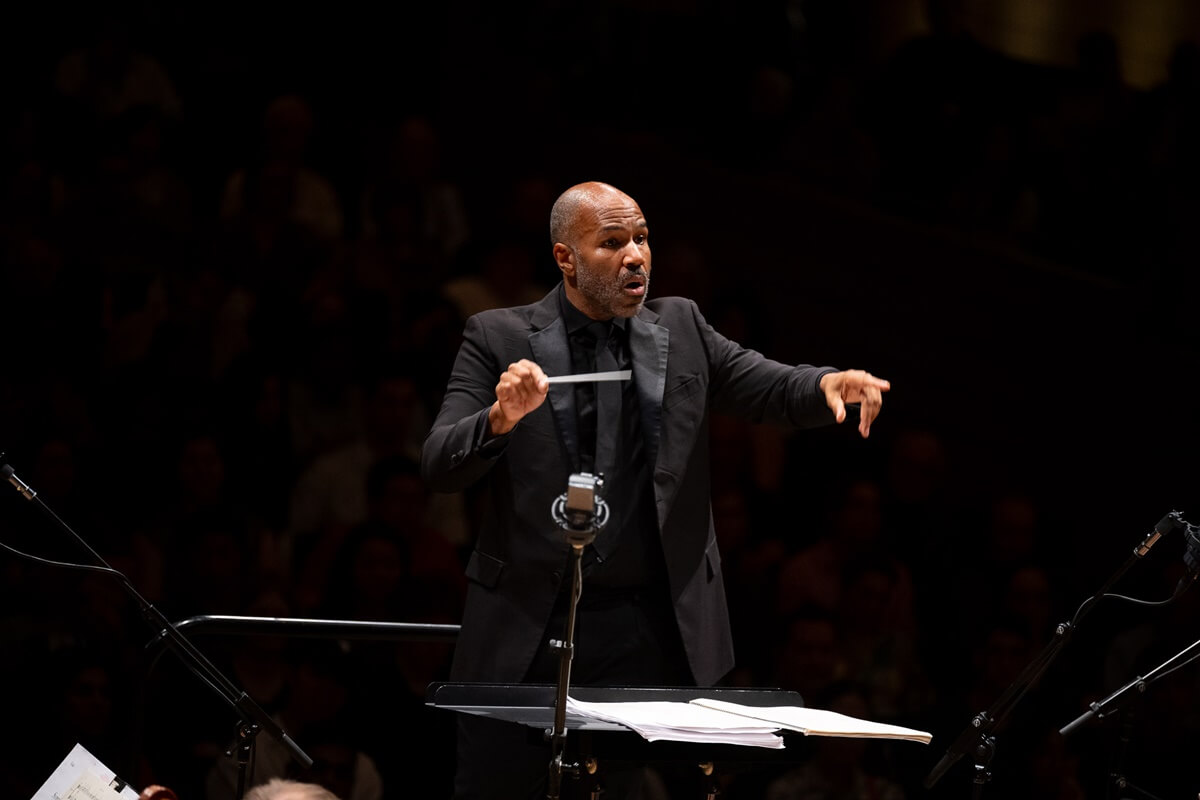
Daniel Bartholomew-Poyser
It’s the first year of Daniel Bartholomew-Poyser’s term as NYO Canada’s Music Director, and his inaugural tour as their conductor. He led the orchestra with authority, but a light hand, guiding the young musicians as needed to bring out their natural talents as a group.
Through the rehearsals leading up to the tour, it’s clear that Bartholomew-Poyser has developed a great rapport with the orchestra, and you could see his joy in their accomplishment.
Prior to the concert, I had a chance to chat with him briefly, and he mentioned their unflagging enthusiasm for the music. Even after a dozen rehearsals, the musicians were still coming up with new ways to improve and perfect their performance together.
Final Thoughts
Coming back from intermission, two of the musicians did a roll call that revealed musicians who came from every province. NYO Canada is a uniting influence in this country, and as speakers before the performance pointed out, it creates collegial bonds that will endure throughout their professional lives.
There’s nothing quite like the passion and enthusiasm, fueled by nurtured talent, that NYO Canada brings to the stage. The audience responds with unbridled enthusiasm.
As the attendee to my left remarked as we were leaving, it’s an experience we all need right now.
- The Canadian Tour continues until July 31, 2026, with a varied program. Details [HERE].
Are you looking to promote an event? Have a news tip? Need to know the best events happening this weekend? Send us a note.
#LUDWIGVAN
Get the daily arts news straight to your inbox.