
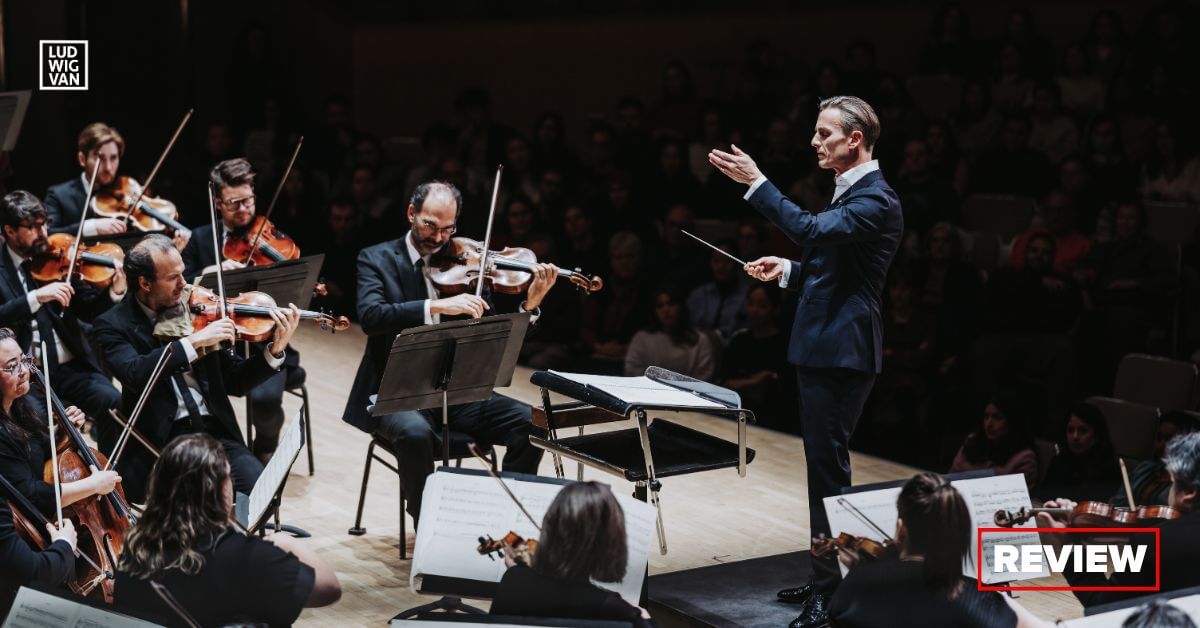
National Arts Centre Orchestra: Jocelyn Morlock: My Name Is Amanda Todd; Camille Saint-Saëns Piano: Concerto No. 5 in F Major, Op. 103 “Egyptian”; Beethoven: Beethoven: Symphony No. 3 in E-flat Major, Op. 55 “Eroica”. Alexander Shelley, conductor; Jean-Yves Thibaudet, piano. February 7, 2026, Roy Thomson Hall.
On a frigid Saturday night, Torontonians filled Roy Thomson Hall and gave a warm welcome to the National Arts Centre Orchestra.
This orchestral exchange between the Toronto Symphony Orchestra (which is currently on tour in Europe) and the NACO has been an annual tradition, but this year’s performance carried special and bittersweet significance, as it is Music Director Alexander Shelley’s last season at the helm of the Ottawa-based orchestra.
My Name is Amanda Todd
It was an especially fitting choice to open the evening with the work that the NACO commissioned and premiered in 2016 during Shelley’s inaugural season. “My Name is Amanda Todd” by Jocelyn Morlock is a powerful memorial of the Canadian teenager who tragically took her own life at the young age of 15 after enduring relentless cyberbullying.
The single movement work opened with melancholic strings, giving way to agitated winds and brass that mirrored the noises of negativity Amanda endured on the internet. Rather than evoking chaos, Shelley’s delicate approach conveyed a sense of fragility, perhaps a reflection of Amanda’s state of mind.
The peaceful ending signified hope and redemption, an appropriate conclusion to commemorate Amanda’s legacy.
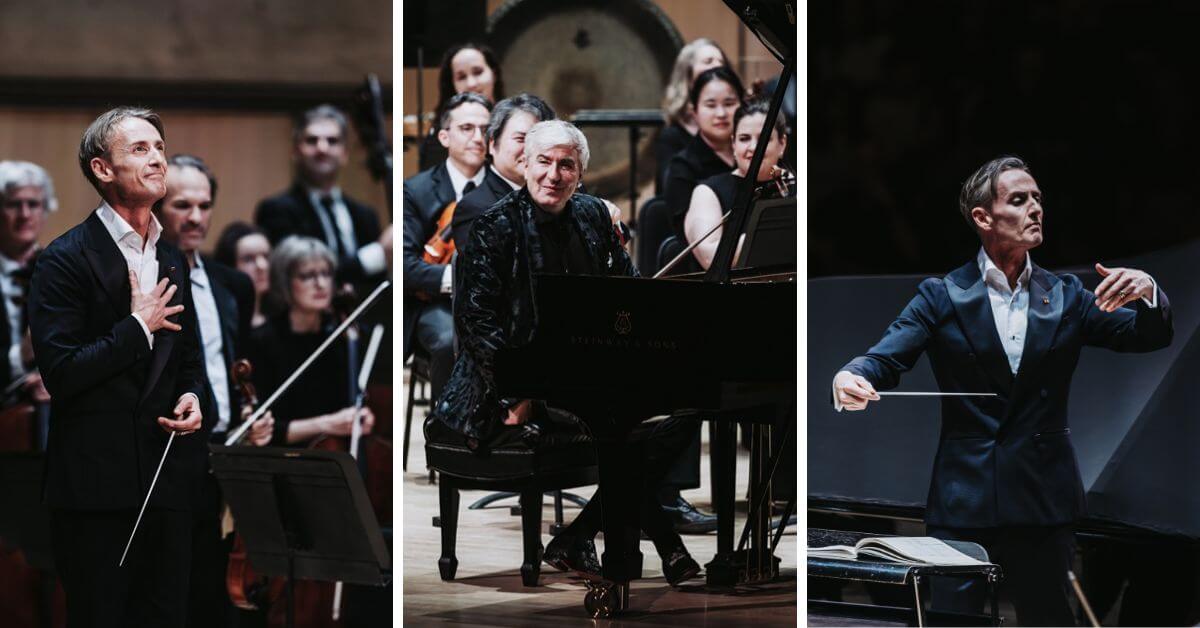
Camille Saint-Saëns: Piano Concerto No. 5 in F Major, Op. 103 “Egyptian”
Nicknamed “Egyptian” because the composition was inspired by and completed during Saint-Saëns’s stay in Cairo and Luxor, he played the solo when it was premiered at his own Jubilee Concert in 1896, marking the 50th anniversary of his public debut as a pianist. This piece is rarely heard on a Toronto stage. In fact, an AI search reveals that it has not been performed since 2004.
Widely considered one of the best living interpreters of Saint-Saëns, there is no better choice than French pianist Jean-Yves Thibaudet to play this technically daunting piece. He imbued the dreamy first movement with a bouquet of colours that epitomized French elegance. The treble notes shimmered with crystalline clarity.
The dance-like second movement had exotic Middle Eastern harmonies. Thibaudet’s sound was full-bodied, yet he made the textures float in an iridescent way. There was a natural conversational flow between the piano the orchestra. While the orchestra painted an impressionistic picture in the background, Shelley was careful to never overpower the soloist. The conductor brought a strikingly slow and soft ending to the movement; without much of a pause, he unleashed full force drama in the third movement.
If there is one way to describe the final movement, it is fast and furious. Thibaudet dazzled with a balance of athletic virtuosity and quicksilver touch. We all held our breath as he raced to an intense and exhilarating finale.
It is a real shame that this magnificent work is not performed more often.
For the encore, Thibaudet rewarded us with another masterpiece from the French repertoire, “Pavane pour une infante défunte” by Maurice Ravel. If there was a weak moment in the performance, it would be the first few notes that seemed to be played with an unusually heavy touch, which sounded mechanical and almost disjointed. My worry was short-lived, and the rest of piece was sensual and graceful.

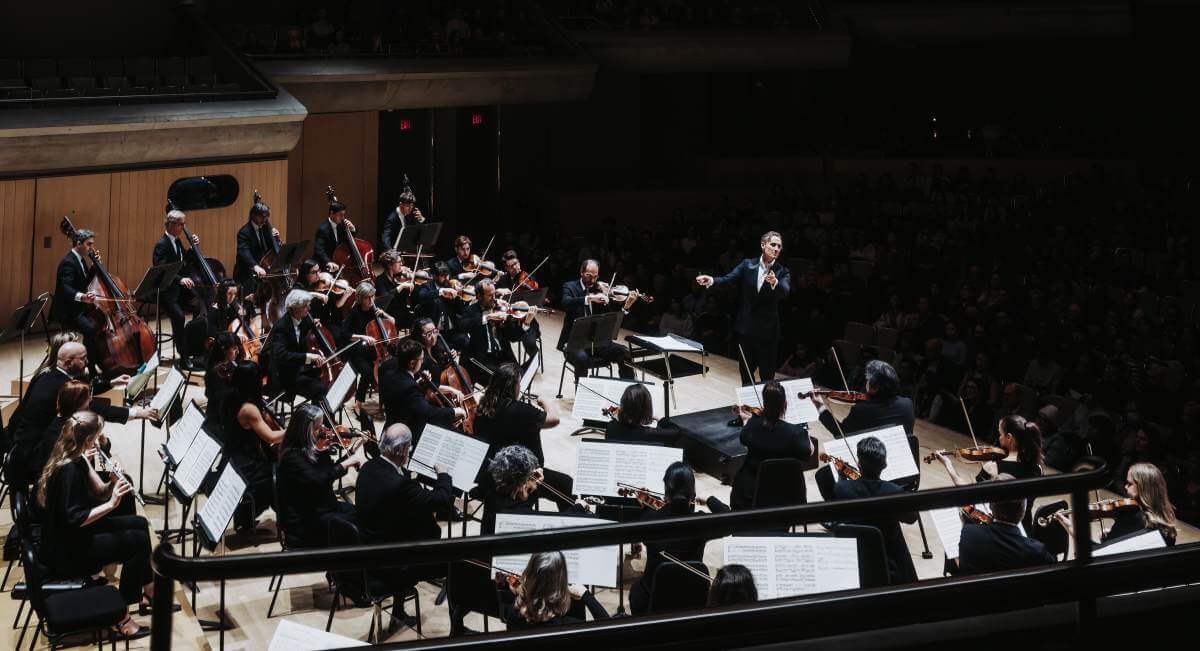
Beethoven: Symphony No. 3 in E-flat Major, Op. 55 “Eroica”
This monumental work is said to have marked a turning point in both Beethoven’s life and the history of Western music, expanding the symphony into a vehicle for profound emotional and philosophical expression. Beethoven was grappling with the devastating realization that his hearing loss was permanent and worsening. The Eroica was his personal manifesto of independence, heroic struggle and rebirth, expressed through music.
With the Beethoven, Shelley pulled out all the stops to showcase the first-rate NACO, while conducting the entire piece from memory. The refreshing, youthful energy he brought to the stage was infectious. Shelley communicated with every inch of his body, and it was mesmerizing to watch his dance-like moves. Waving his baton like a sorcerer’s wand, he made magic happen every direction he pointed. When the melody passed from section to section, each responded precisely to his every command.
As the mood shifted from the heroic first movement to the noble funeral march of the second and the scherzo-like third movement, Shelley invoked delicate phrasing and expansive dynamic contrasts. Even though the NACO is a mid-sized ensemble, it sounded formidably powerful where the score demanded double fortes.
For the celebratory final movement, Shelley ditched the baton and used his hands to shape the lush melodies. There was impressive playing from the strings, a notably strong section of this ensemble. The symphony was a triumphant end for both Beethoven and Shelley’s last rodeo in Toronto with the NACO.

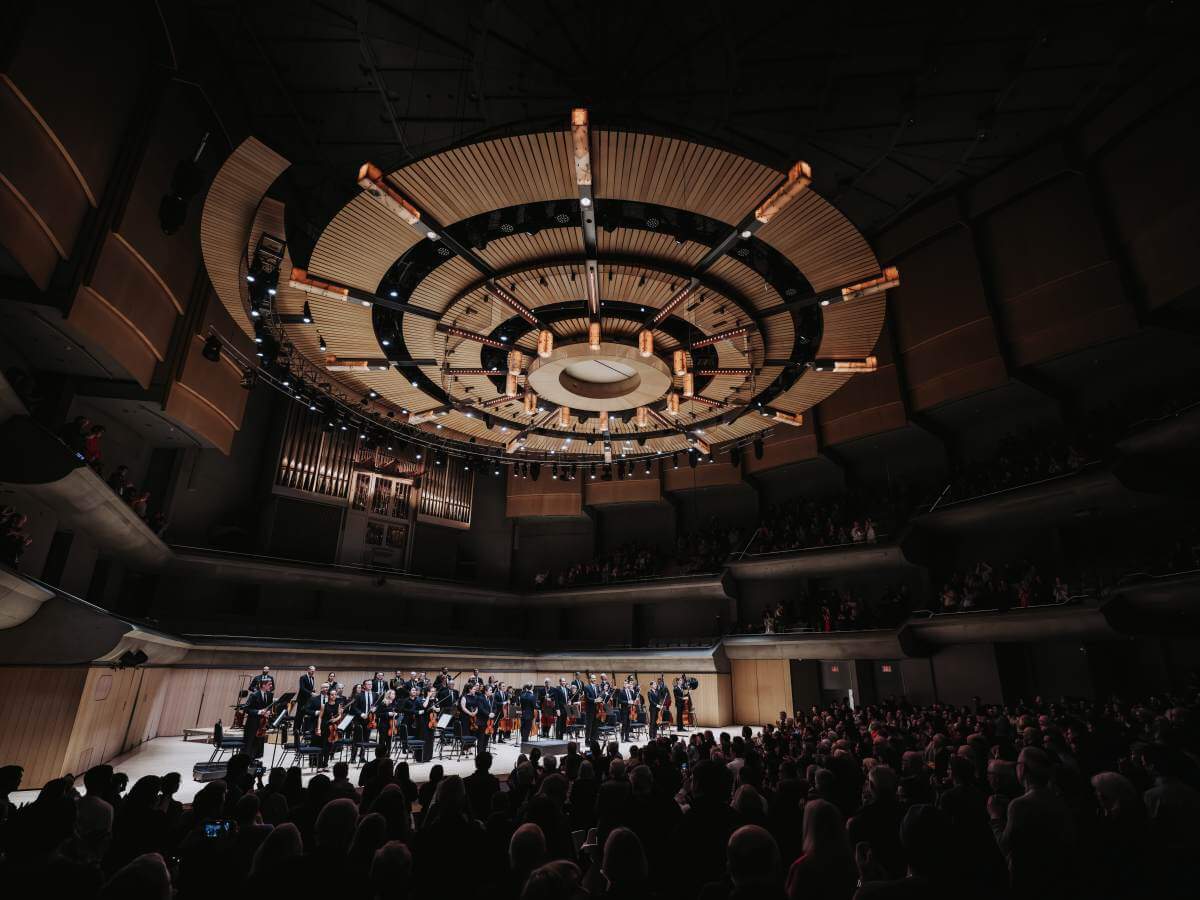
Final Thoughts
The organically intimate chemistry between Shelley and the orchestra was admirable. You could see and feel obvious joy of playing from every musician. There was especially passionate playing from concertmaster Yosuke Kawasaki — he got a good quadriceps workout, lifting off his seat every time the music climaxed.
There was so much love for Shelley — both from the musicians and the audience.
Alexander, we wish you all the best with your next adventure, we will miss you.
Are you looking to promote an event? Have a news tip? Need to know the best events happening this weekend? Send us a note.
#LUDWIGVAN
Get the daily arts news straight to your inbox.