
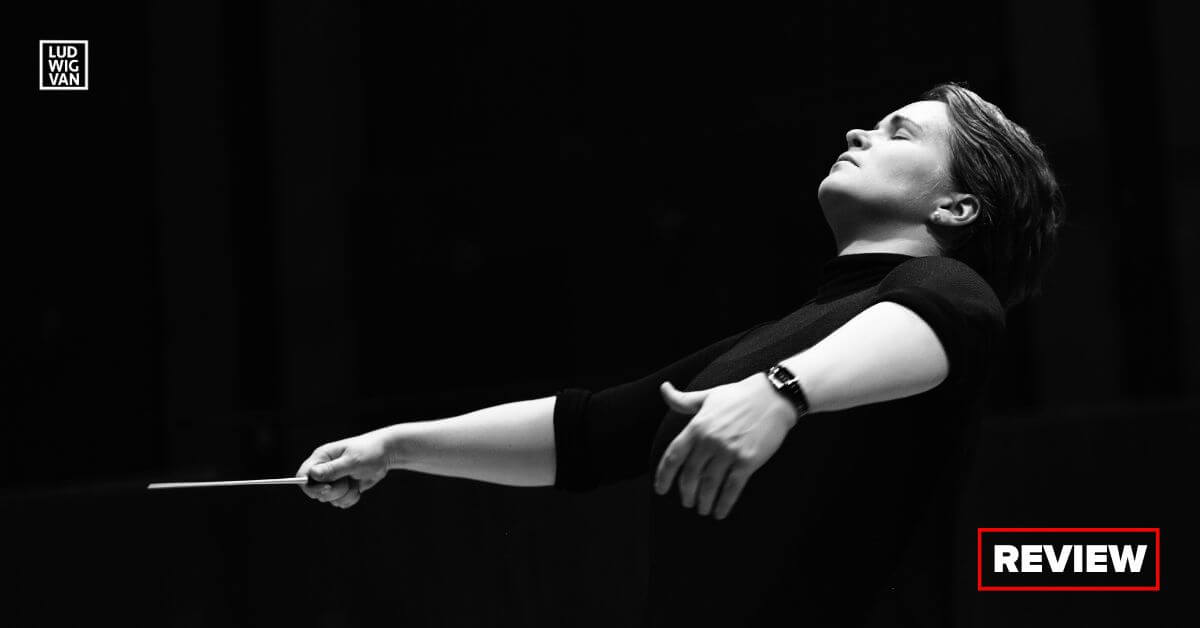
Toronto Symphony Orchestra: The Firebird. Brahms, Piano Concerto No. 1; Arvo Pärt, Symphony No. 1 “Polyphonic”; Stravinsky, Suite from The Firebird (1919 revision). Eva Ollikainen, conductor; Mao Fujita, piano. January 16, 2025, Roy Thomson Hall. Repeats January 17; tickets here.
A new year at the Toronto Symphony Orchestra brings new fresh artistic energy. The Firebird marked the TSO debuts of Finnish conductor Eva Ollikainen and Japanese pianist Mao Fujita.
Despite a stormy, snow-laden day that shut down much of Toronto, there was still a healthy number in attendance at Roy Thomson Hall. The TSO is already deep into its second week of the new year, and has an incredibly busy schedule of concerts ahead.

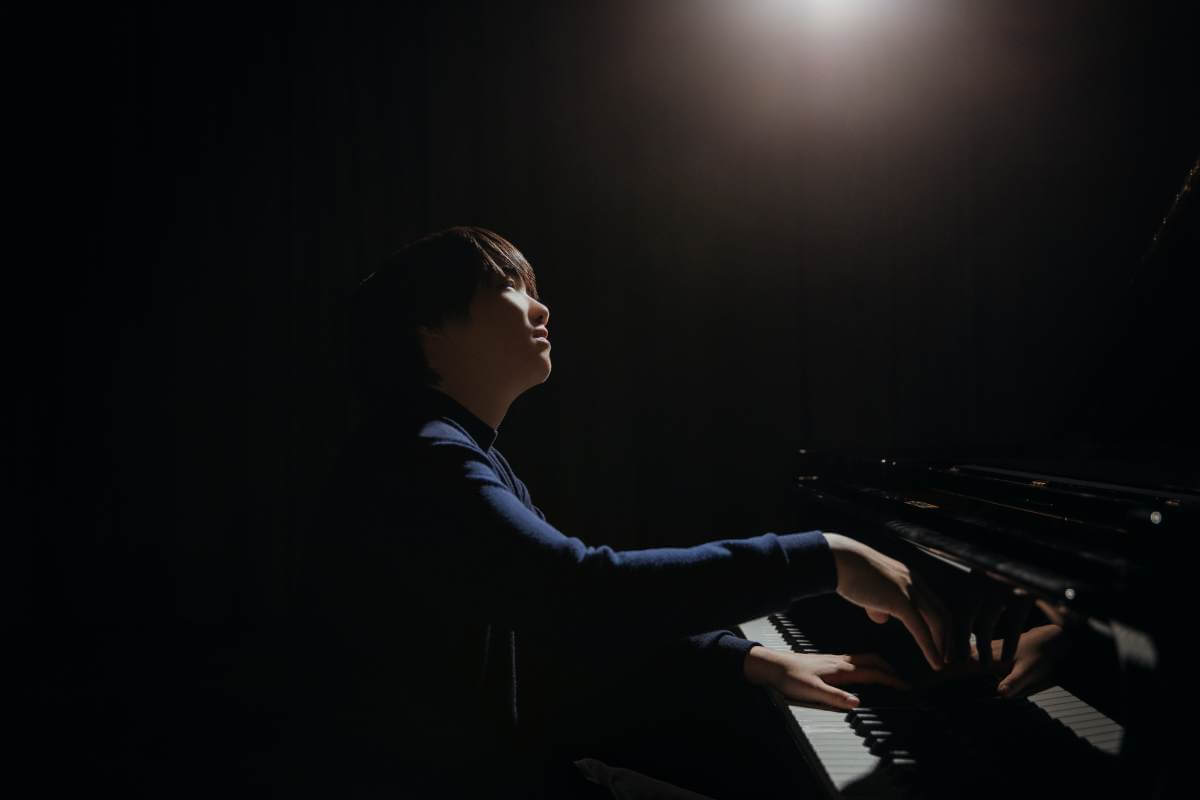
Brahms’s First Piano Concerto
At just 27, Fujita tackled Brahms’s formidable Piano Concerto No. 1, a work that demands both command of technique and musical maturity. His performance, a bit like his stage presence, was demur, reserved, and understated. Ollikainen, by contrast, led the orchestra with expansive, dynamic gestures, drawing out a Romantic sound. Both the orchestra and soloist sounded in good form, but there was a sense of disconnect.
The second-movement Adagio felt static musically. The phrasing was rather staid. The piano sound, at times, came across as sparse and thin, though it did occasionally shimmer.
The lively and jovial final Rondo movement fared better. Fujita highlighted some inner voices in Brahms’s piano writing that felt fresh and thoughtfully shaped. Still, while the orchestra leaned fully into the Romantic aesthetic, Fujita seemed to be offering a quieter, more introspective musical interpretation.
An Early Work by Arvo Pärt
The second half of the program shifted dramatically in temperament. Arvo Pärt’s Symphony No. 1, Op. 9 is far removed from the meditative, triadic style most listeners associate with the Estonian composer. As the program notes point out, it is, “the very first piece in Estonian music to use dodecaphonic (12-tone) technique.” But no concert goer needs to be disturbed by this. The audience this evening seemed to be engaged with open minds and ears and was rather receptive.
While using the 12-note system, Pärt finds ways, alongside percussion (notably cymbals and xylophone), to sustain interest. A jazzy opening gives way to a clarity of gestures and a vivid contrast of textures. Solo passages alternate with thick tutti moments.
Concertmaster Jonathan Crow and principal clarinetist Eric Abramovitz deserve particular recognition. It was a fascinating, unexpected counterpoint to the Pärt we usually expect.
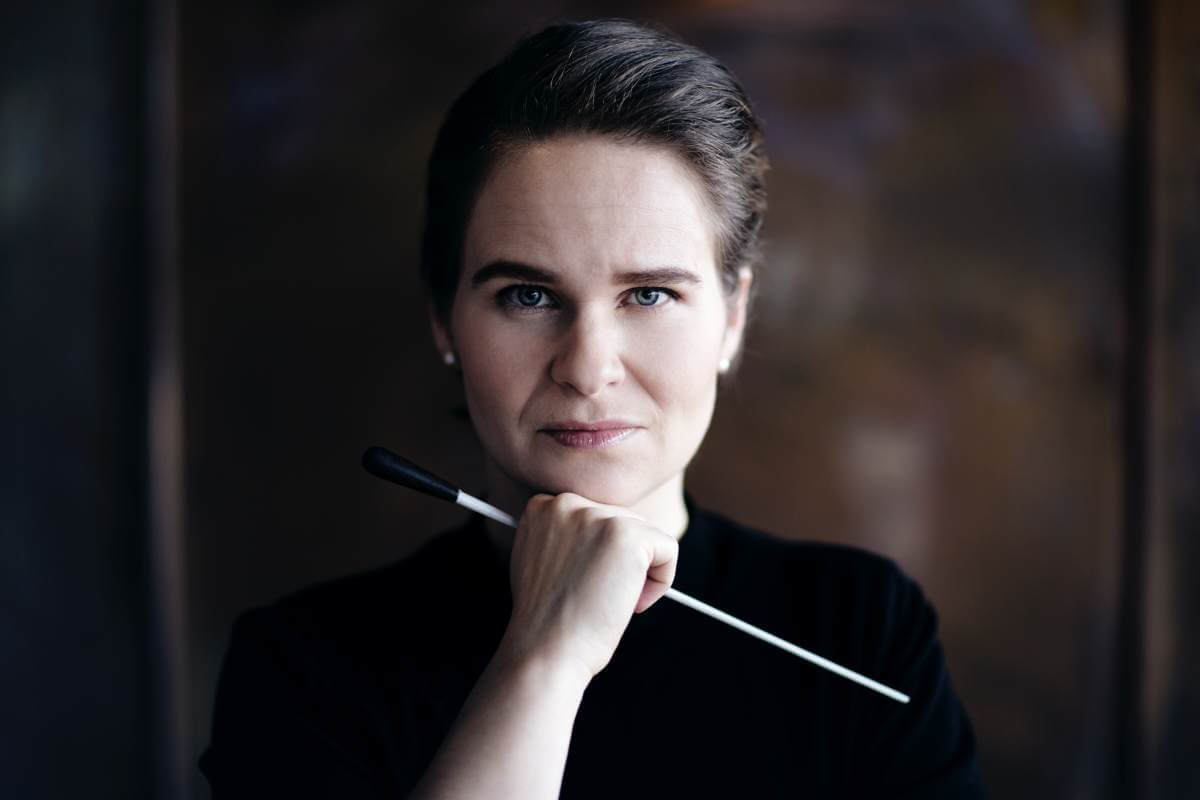
The Fantastical Firebird
For the final work, the stage filled with musicians for Stravinsky’s Firebird Suite. At around 20 minutes, it’s short compared to the Brahms concerto, but no less monumental. History has proven its revolutionary impact, and it’s easy to hear why. The orchestra clearly relished the chance to unleash its full palette of colour and expressive power. Stravinsky’s ballet music remains a concert staple for good reason.
Ollikainen led with confidence and was engaged with the musicians. The opening was haunting, the Dance of the Princesses (Rondo) lush and sensuous, and the Infernal Dance of King Kastchei ferocious in its demonic ecstasy. My only quibble was that the pause after the Rondo felt just a touch too long, slightly dulling the surprise effect of the powerful opening chord of the Infernal Dance. However, there were still audible gasps from the audience.
The final moments rose to something truly transcendent. It is remarkable how the orchestra created such a vivid tableau with sound.
What a way to end a concert — thrilling, enchanting, and utterly spellbinding.
By: Albert Wong for Ludwig-Van
Are you looking to promote an event? Have a news tip? Need to know the best events happening this weekend? Send us a note.
#LUDWIGVAN
Get the daily arts news straight to your inbox.