
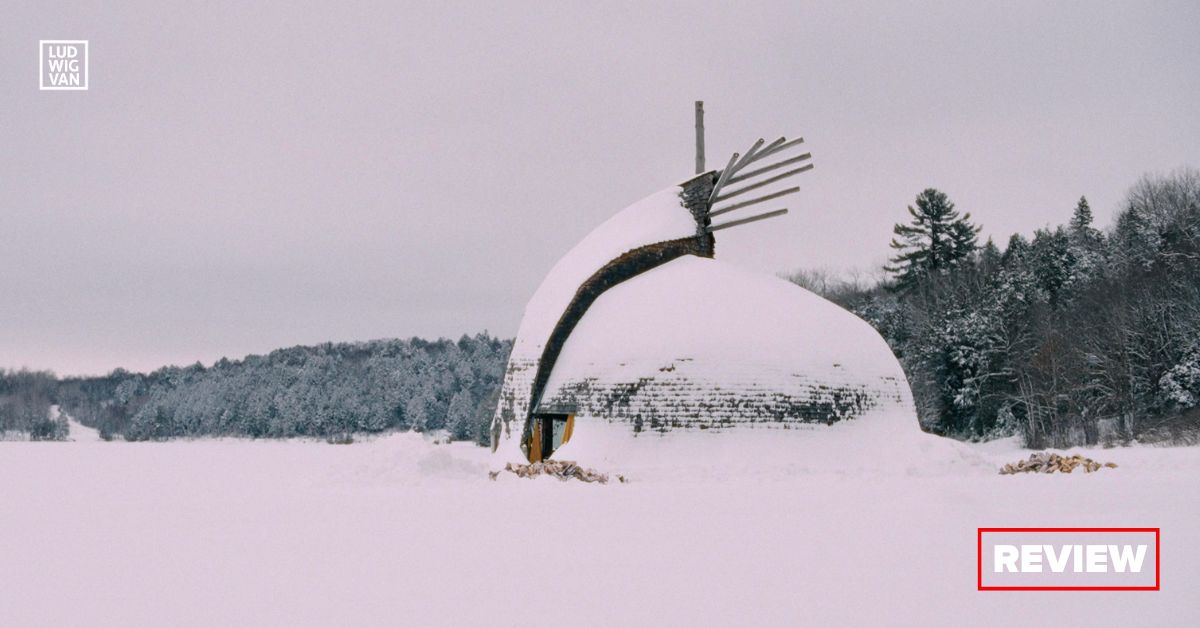
Director Darlene Naponse’s visual art documentary Aki received its world premiere at the Toronto International Film Festival in 2025. The wordless documentary follows the passage of the seasons in Atikameksheng Anishnawbek (formerly Whitefish Lake).
Without dialogue, the camera follows the people and the place as the seasons change, set to a luminous score by JUNO-nominated cellist and composer Cris Derksen.
Director Darlene Naponse
Anishinaabe filmmaker, writer, director, video artist, and community activist Darlene Naponse is a member of the Atikameksheng Anishnawbek First Nation near Sudbury, Ontario. Her 2018 film Falls Around Her, starring Tantoo Cardinal, also premiered at the Toronto International Film Festival in September 2018, and went on to win the Air Canada Audience Choice Award at the imagineNATIVE Film + Media Arts Festival in October of the same year. Her experimental love story Stellar was a TIFF selection in 2022.
Previously directorial credits include the short films Retrace (2002) and She Is Water (2010) — for which she was shortlisted as a Journey Prize finalist in 2017 for the short story adaptation — and the feature films Cradlesong (2003) and Every Emotion Costs (2010).
Darlene completed her MFA in Creative Writing at the Institute of American Indian Arts (IAIA) in Santa Fe. Her short stories have been published in the Yellow Medicine Review, Along the 46th Anthology, and The Malahat Review.

Aki: The Film
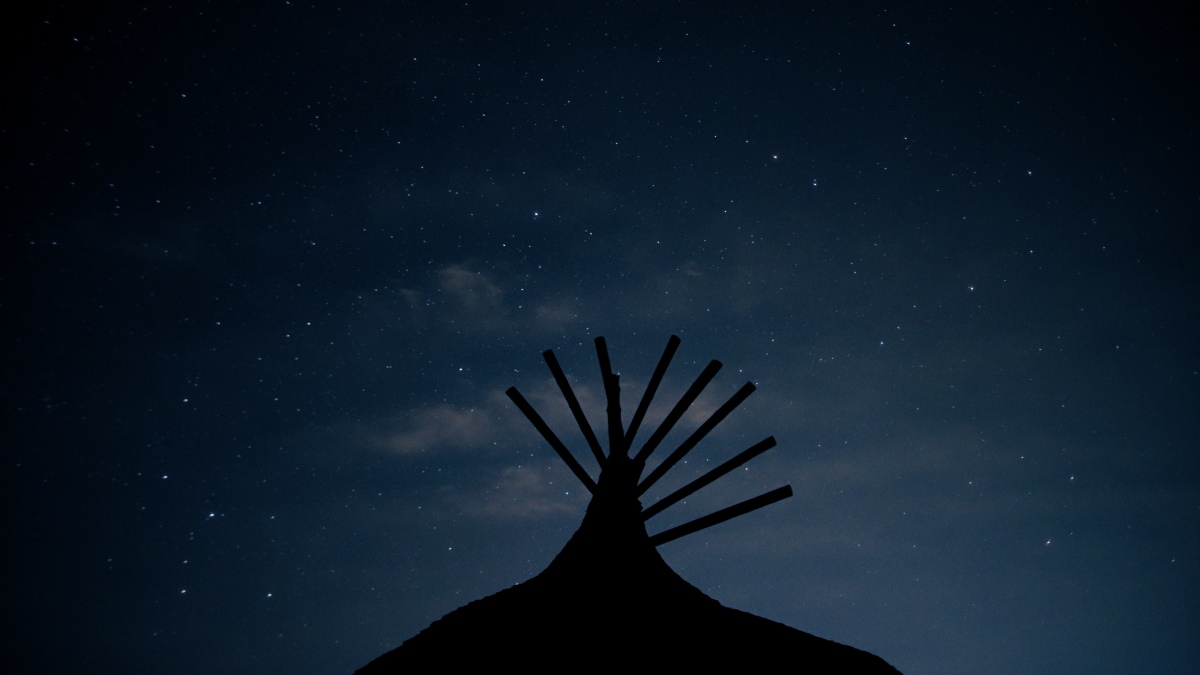
The film begins in the quiet of winter, and offers sweeping vistas as well as vignettes of the lives of the people who live in the region playing hockey, trapping rabbits, making stew. The landscape itself dictates the mood, from the elegant patterns of trees from above to the calm reflection of looking up at the stars.
Naponse’s camera finds beauty in the smallest of details — leaves dancing in the wind, a yellow cloth fluttering from a window, the way flakes of snow cling to the trunk of a tree, or the sublime combination of motion and form in a snowstorm. There are hundreds of shades of white and grey in winter, and thousands of colours in the spring, summer and fall.
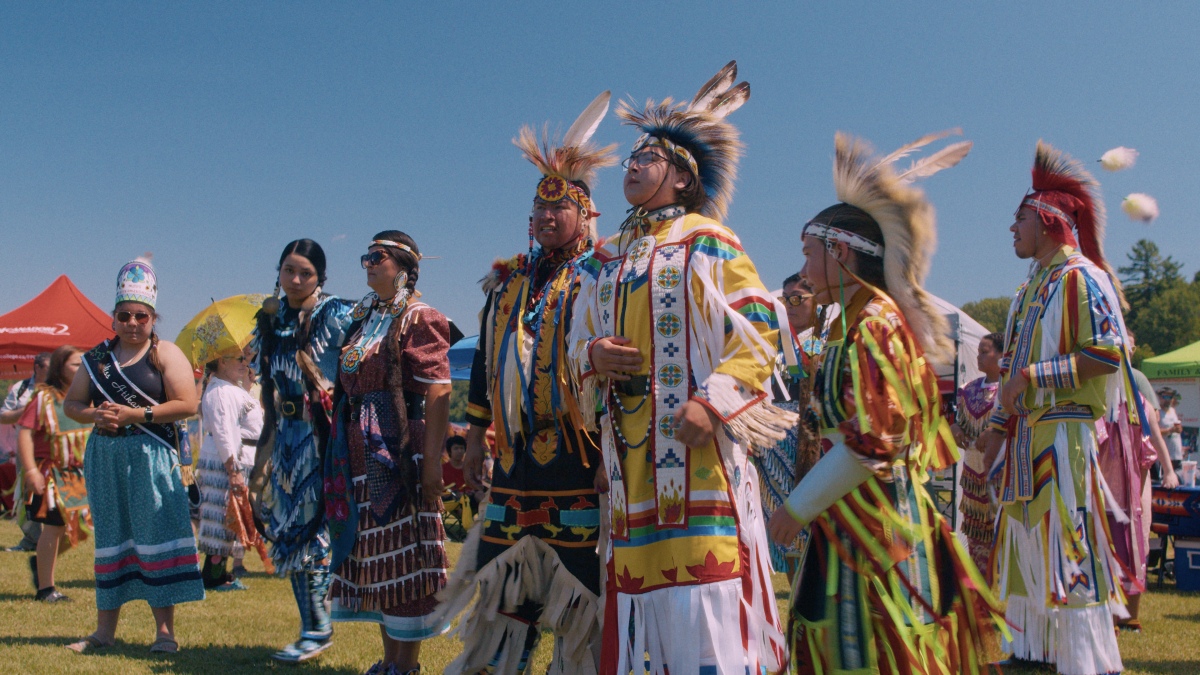
On the technical side, Naponse uses time-lapse, split screens, and underwater footage. A powwow scene becomes a spectacular kaleidoscope of colour, rhythm, and movement.
As the seasons change, the music does as well, livelier when the ice thaws and the streams run again. The birds, and the running water, add their own music to the score. Summertime is more expansive in mood, full of sunlight and human activity.
In the fall, the water mists over the lake as the trees display their colours, leading full circle to the joyful and triumphant return of winter.
The Music
The landscape is the protagonist. With no dialogue or direct interaction between the people on screen and the audience, the music assumes a larger presence in the film.
Derksen’s score is contemporary art music on the cello, open and searching as the camera passes over the landscape from overhead, a snowy plain dotted with evergreens. The music adds emotional highs and lows, and a sense of drama in scenes that climb mountains and explore valleys, combining classical and Indigenous elements.
Darlene Naponse talks about Derksen’s music in an interview.
“Luckily, she’s a friend. I got to meet her through some friends. I also had a piece of hers in Stellar. So I approached her and said, Can you do this? It was all original. It was so beautiful, and she’s such an incredible human being. She’s so talented. Just like what she does with these strings is just so amazing, and she tells those stories. She sees these images, and she just creates from that. And I love that. And you know what, it’s about making space for that in collaboration, for people to just be themselves and do what they do really well. And I think that’s what Cris does. It’s so beautiful.”
Final Thoughts
As a documentary where the land is the primary character, Aki is much more than a kind of travelogue. It invites the viewer to see these lands, good old Northern Ontario that non-Indigenous people seldom seem to value or enjoy, in a new light, and appreciate the poetry of the landscape.
Even the snowstorm is beautiful in this gorgeous film.
Are you looking to promote an event? Have a news tip? Need to know the best events happening this weekend? Send us a note.
#LUDWIGVAN
Get the daily arts news straight to your inbox.