
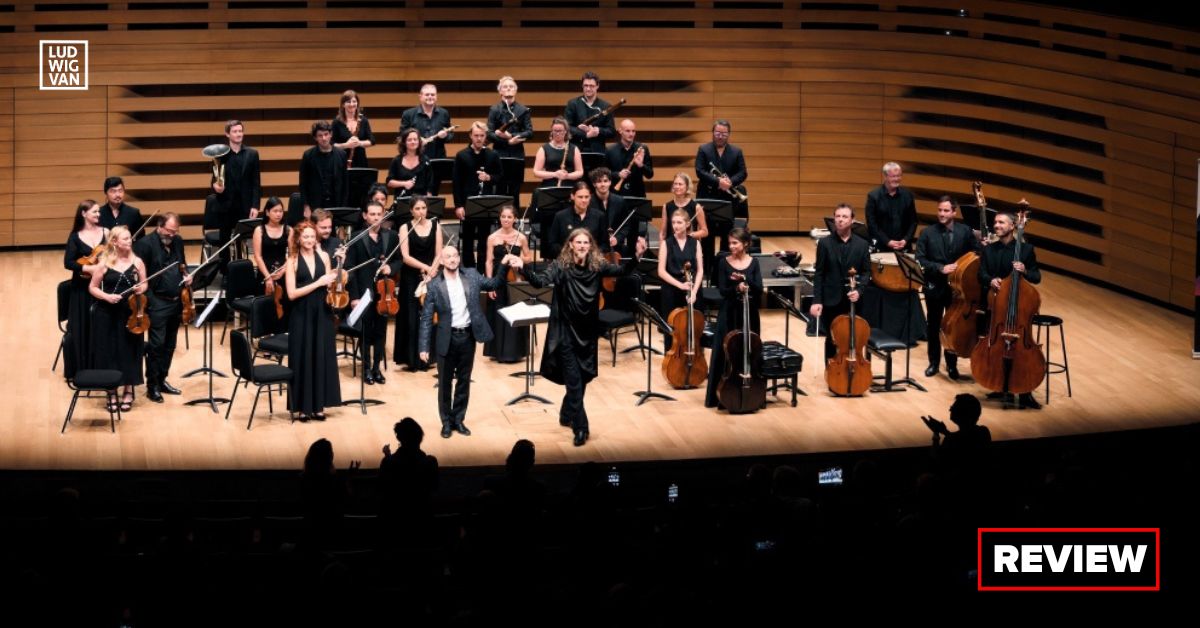
Toronto Summer Music: Franco Fagioli — The Last Castrato, Arias for Velluti. Rossini: Sinfonia from Tancredi; Nicolini: “Ah se mi lasci o cara,” Traiano in Dacia; Bonfichi: “Qual mi circonda e agghiaccia … Dolenti e care immagini … Vedrai quest’anima,” Attila; Rode: Concerto No. 1 in D minor for Violin, III. Polonaise; Nicolini: “Ecco o numi … Ah quando cesserà … Lo sdegno io non pavento,” Carlo Magno; Rossini: Sinfonia from Aureliano in Palmira; Rossini: “Dolci silvestri orrori … Ah! Che sento … Non lasciarmi in tal momento,” Aureliano in Palmira; Zingarelli: Overture from Giulietta e Romeo; Mercadante: “Dove m’aggiro … Era felice un di … Sì bel contento in giubilo,” Andronico Franco Fagioli, countertenor, Orchestre de l’Opéra Royal de Versaille. July 29, 2025, Koerner Hall.
It is rare in a vocal concert for the conductor to draw more attention than the singer; especially when that singer is the Argentinian star countertenor, Franco Fagioli.
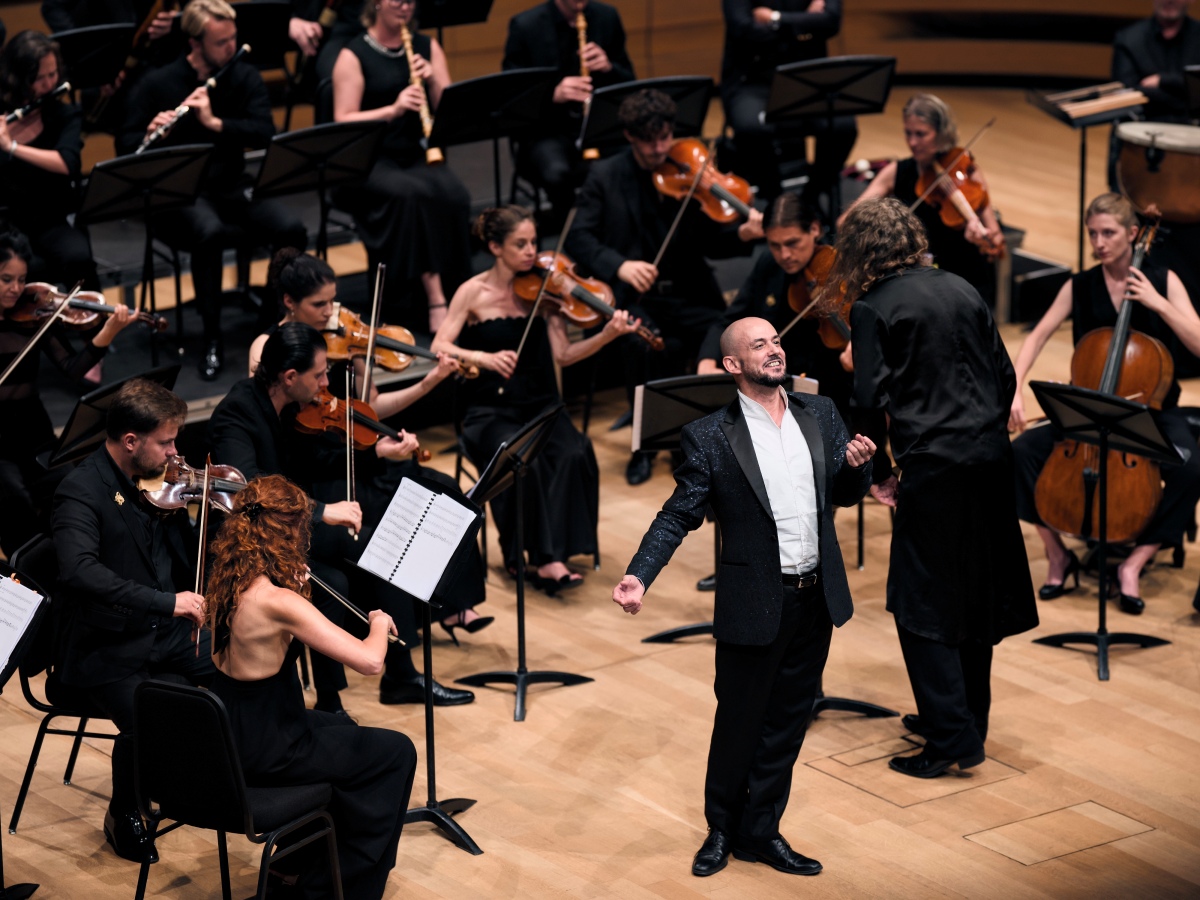
But, in this much-publicized Toronto Summer Music concert at Koerner Hall, it was Stefan Plewniak, conductor of the 2019-founded Orchestre de l’Opéra Royal de Versaille who came across as the more flamboyant artiste. He cut a Billy Connolly-meets-Rasputin-meets-Paganini figure, with his long, disheveled hair that grew ever wilder as he bounced across the stage, and with his windmill conducting technique.
The theatricality award of the night also went to the orchestra, for its entrance and exit, accompanied by excerpts from Lully’s Bourgeois gentilhomme, and Rameau’s Les Indes galantes, respectively.

The Program
But the main program left the French Baroque behind and moved to late-18th and early-19th century Italy. The concert was conceived as a celebration of and homage to Giovanni Battista Velluti (1780-1861), the so-called ‘Last Castrato’ of the subtitle, and subject of a recent recording by Fagioli and Plewniak’s team.
Technically speaking, the last castrato was actually Alessandro Moreschi (1858-1922), of whose voice we even have a scratchy recording. But Velluti was admittedly the last castrato with starring opera parts written for him by the leading composers of his time. In any case, it makes for an attractive concert title.
Much of this repertoire is primarily a vehicle for an extraordinary voice, and accordingly it scores low on substance. Tripartite scenes, such as from Nicolini’s Carlo Magno, Bonfichi’s Attila, or Mercadante’s Andronico, trace a routine trajectory from dolorous ruminations through melancholic reverie towards raging or jubilant defiance, the last of these accompanied by stratospheric vocals and audience-massaging exaltation.
It took two contributions from Rossini to show what a first-rate composer can do with these clichés.
Franco Fagioli
If the lyrics or the contexts had more to offer, the Koerner Hall audience had no way of knowing. A short paragraph on Velutti was all the program had to vouchsafe: nothing on the composers or the works, no lyrics, no synopses.
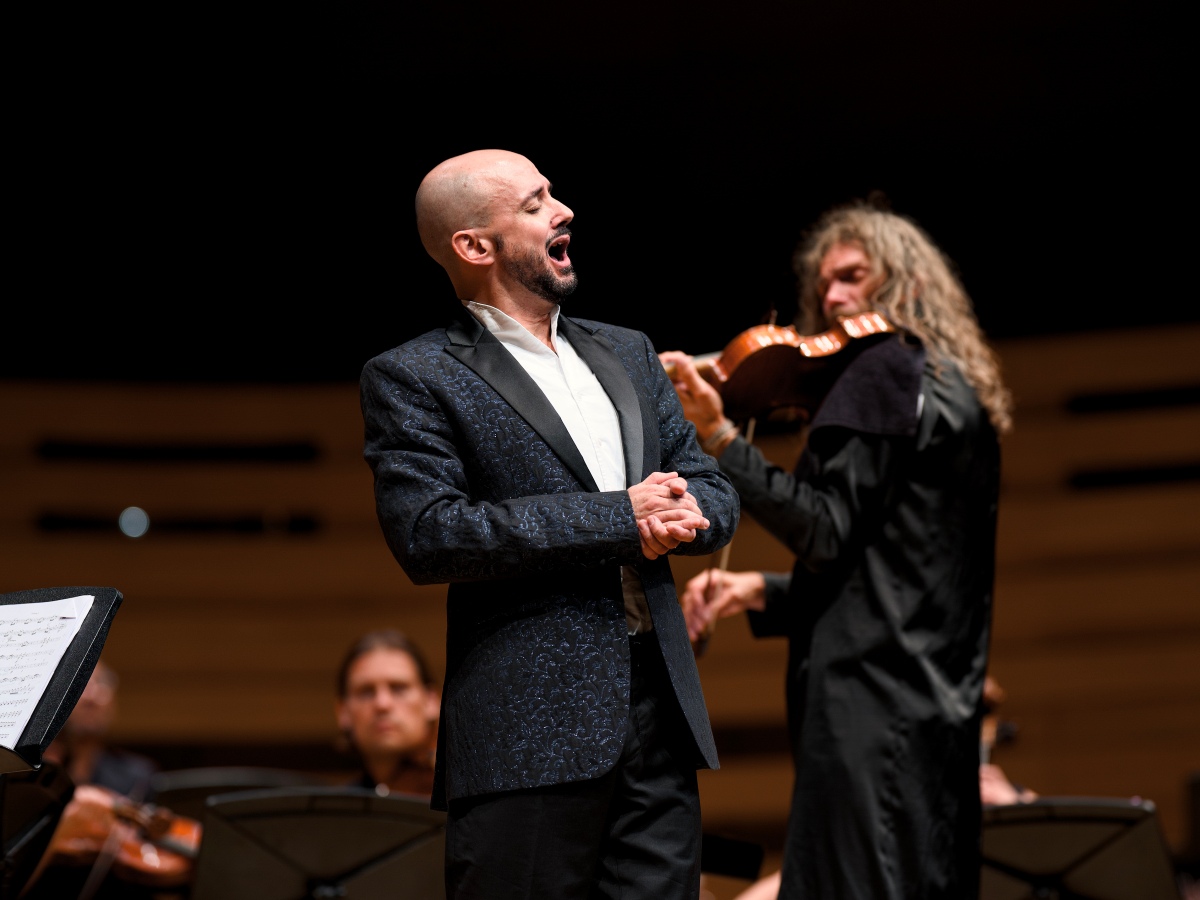
It was left to Fagioli’s vocal prowess to guide us through the labyrinth of embellishments and vocal somersaults, and for us to trust his acting out of the operatic personae.
His is a voice that falls somewhere around a full-bodied chesty mezzo-soprano, with occasional exhilarating ventures into high coloratura and baritonal deep dives. As exciting as it is to hear all three octaves on display, the transitions between registers are not always smoothly negotiated, and the lowest register is more masculine-timbred than that of other leading countertenors.
Still, the clarity and agility are exemplary, as is Fagioli’s breath control, even in the most devilish roulades.
Final Thoughts
Vocal numbers were interjected with purely instrumental ones, where the orchestra’s intense, characterful musicianship shone forth, especially in numbers by the never-failing musical jester, Rossini.
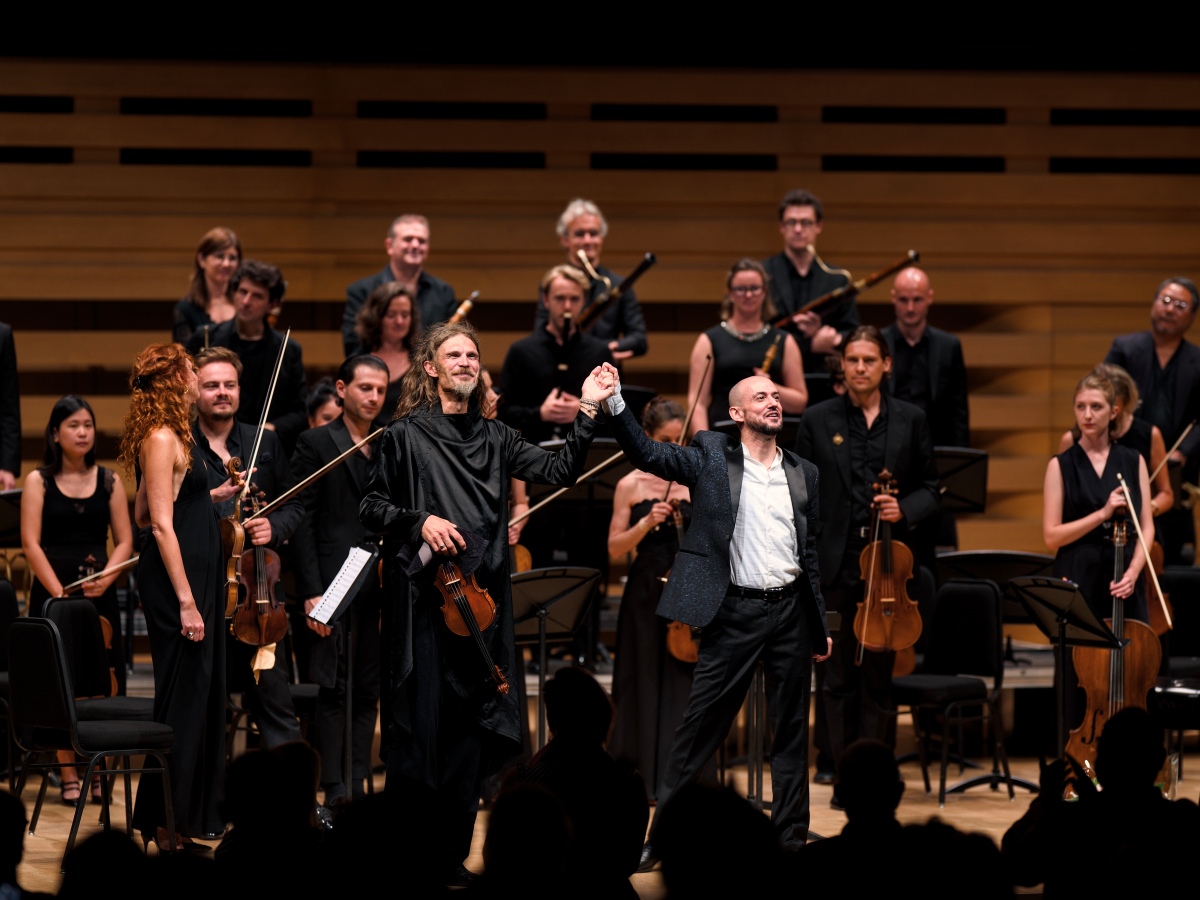
The all-Italian program received another Gallic boost from the manic Polonaise finale of Pierre Rode’s first Violin Concerto — also an occasion to admire Plewniak as a prancingly emancipated violinist.
He returned with his violin for the concert’s second encore, after an aria from Rossini’s Semiramide, to accompany a rather loosely experimental ‘Lascia ch’io pianga’ from Handel’s Rinaldo.
For such a starry concert with a European orchestra, honouring the former TSM Artistic Director, Douglas McNabney, it was a shame not to see the hall packed out. But, those in attendance, much as they may have grumbled about the lack of program notes, were treated to an evening of entertaining virtuosity.
Are you looking to promote an event? Have a news tip? Need to know the best events happening this weekend? Send us a note.
#LUDWIGVAN
Get the daily arts news straight to your inbox.