
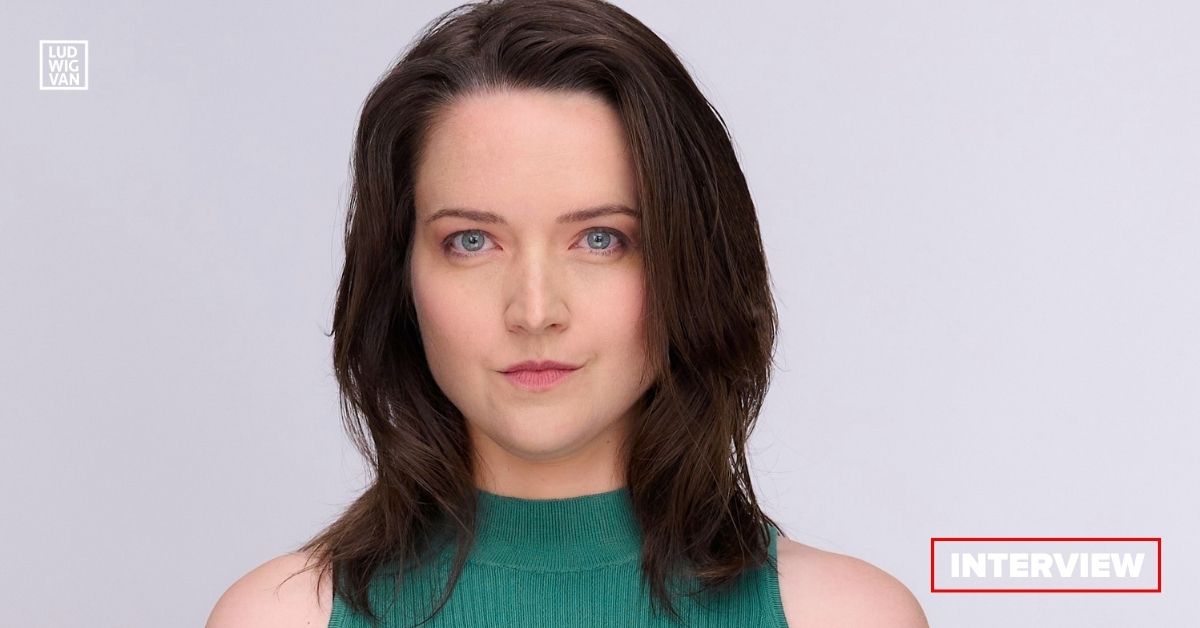
take rimbaud is a world premiere production that will take the stage at Buddies In Bad Times Theatre from May 6 to 23. The play is a Howland Company production in partnership with Buddies.
Created by Susanna Fournier, it was initially inspired by a poem by Arthur Rimbaud.
A Season in Hell is prose poem by the French writer. Written and published by the author in 1873 while still a teenager, it would influence many artists who came after Rimbaud, including poets and visual artists, particularly the Surrealists.
It begins,
Once, if I remember rightly, my life was a feast where all hearts opened, and all wines flowed.
One evening I sat Beauty on my knees – And I found her bitter – And I reviled her.
I armed myself against Justice.
I fled. O sorceresses, O misery, O hatred, it was to you my treasure was entrusted!
A teenage Rimbaud found himself at odds with French society of the time, and the poem goes on a journey of revolt against it, mental turmoil, and even self-annihilation. The young artist rebelling against the world is an idea that many have connected with since its publication.

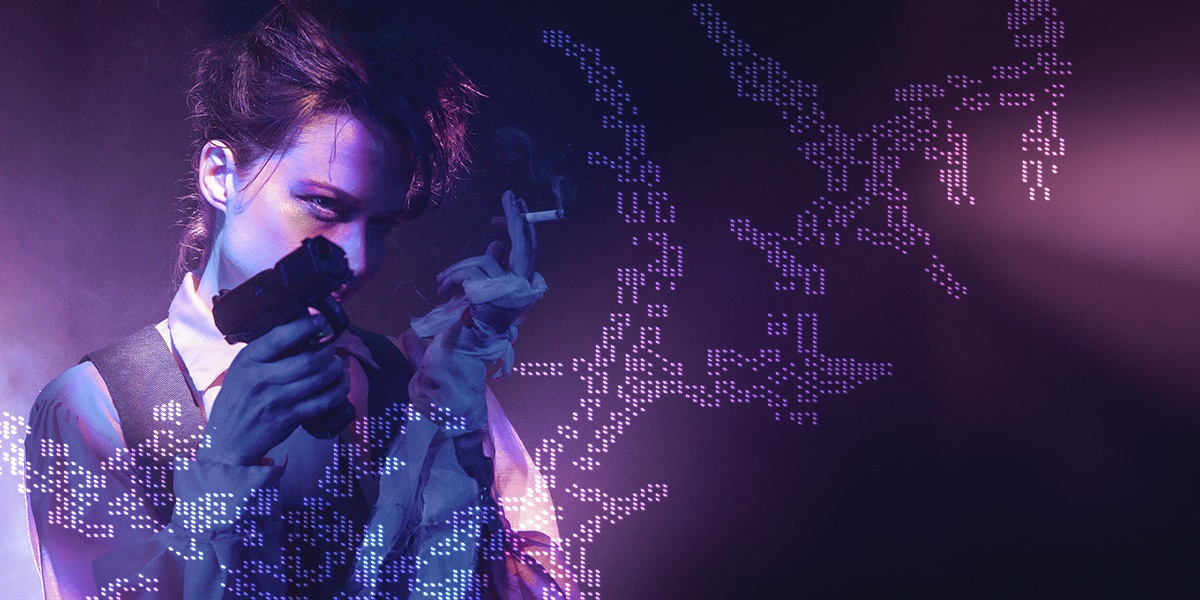
take rimbaud
Rimbaud’s poem deals with abstractions and concepts, and not surprisingly, Fournier’s take rimbaud uses a non-conventional structure to take the audience on an adventure.
She was inspired by the many artists who explode on the scene at a young age, and then quickly vanish. They become icons, but their artistic life is short lived. (In the case of Rimbaud, literally so; he died at the age of 37). Fournier also considered the pressures and difficulties in making art now, during a period when the entire world is in a state of turmoil.
The poem/performance revolves around four poets, a messy love triangle, an unfinished art film, and an electric oven.
It’s 2014 in Toronto (hell) and 1871 in France (also hell). As the poets struggle to create meaningful work, their environment proves increasingly unsafe. Arthur Rimbaud’s words are augmented by the poems of Paul Verlaine, Sylvia Plath, and Sappho.
The work has been years in development. The Howland Company originally commissioned the work to be developed as part of its 2015 RBC Emerging Company Residency with Canadian Stage. It was further developed with the support of the Toronto Arts Council, Ontario Arts Council, and the 2016 Banff Playwright’s Lab.
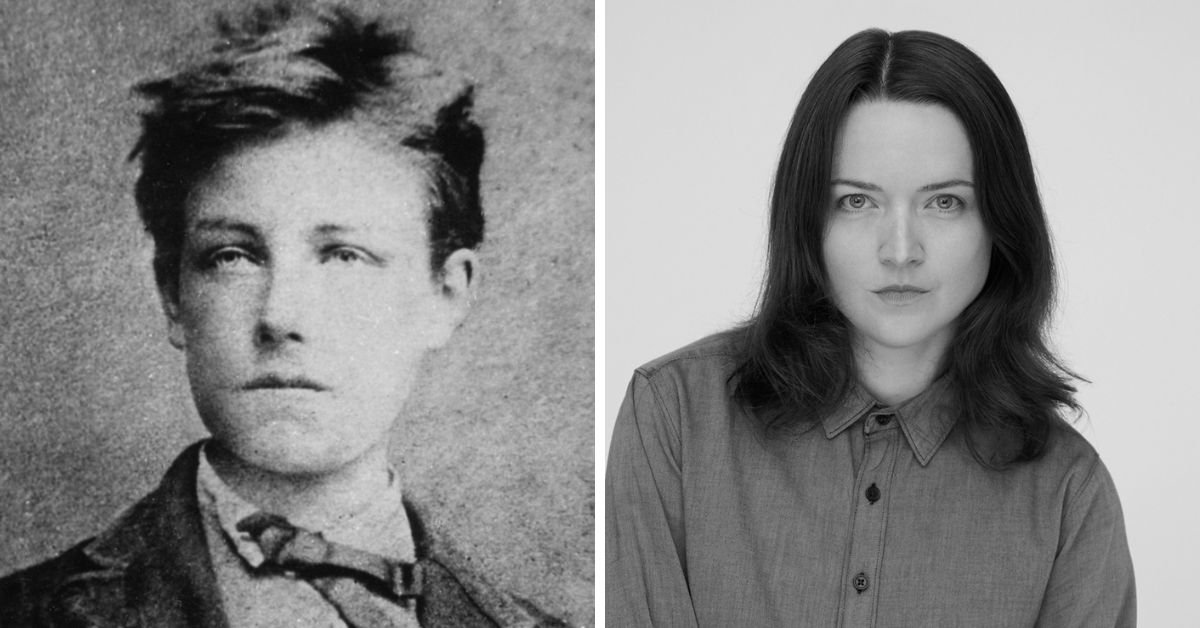
Susanna Fournier
Susanna Fournier (Pyper, The Empire Trilogy, LULU // aspects of a femme fatale) is having a busy year. Her play Pyper, the story of AI generated teens, received the 2025 Tom Hendry Theatre for Young Audiences Award from the Playwrights Guild of Canada. In July 2026, her play Ghosts of My House will be presented by Stratford’s Here For Now Theatre.
LV caught up with the busy theatre artist to ask a few questions about take rimbaud.
Q&A
LV: Rimbaud’s piece A Season in Hell has been interpreted in various ways around the idea of his rebellion as a young artist against his own bourgeois world. What parallels do you draw between it and Toronto (circa 2014)? Were you inspired by other works by Rimbaud?
SF: So, Rimbaud runs away from his small town to Paris as a teenager in the 1870’s ready to join a poetic utopia, fall in love with Paul Verlaine, and usher France into a socialist paradise — and I move to Toronto after theatre school ready to plunge into the pulsing theatre scene I assume is there and bolster the progressive left.
Both our dreams slow-burn crumble as we discover the gap between our artistic ideals and the reality of the art industry, modern politics, and the cost of living.
But, instead of a typical coming of age story ending, in which Rimbaud gets over his disappoint, rage, and heartbreak to “find his place”, he writes several poetic Molotov cocktails, renounces art, and becomes infamous.
Seeing my own artistic frustration in his own, I decided that since I couldn’t figure out how to launch my playwrighting career, I might as well set it on fire and experiment with a script I felt had no chance of being produced. In Rimbaud’s work and life, I saw an opportunity to tell both a queer and artistic coming of age story while simultaneously subverting what we expect in those narratives. I also saw an opportunity to compare how Rimbaud was trying to make sense of his country in political upheaval as our society careened into our Post-Truth era.
While he was asking what’s the role of art inside revolution, I heard my generation asking is revolution even possible? The play became an arena in which I could push back against the ways I was seeing art be increasingly sanitized by both the political right and left’s respective moral compasses. This text became my Molotov cocktail.
LV: The background materials say you refined take rimbaud for about a decade. Did you intend on bringing it to the stage from the outset? What made you decide the time was right to bring it to the stage now?
SF: In the beginning, it was a way for me to challenge myself on what theatre could be and explore my ideas, desire, rage, and curiosity in collaboration with The Howland Company, who were also emerging artists at the time.
As ambitious and hungry creatives, they were intrigued by the initial writing and commissioned me to complete the first draft with total creative freedom. They said, “If you could do anything with this piece, what would you do?”
As relatively unproduced artists at the time, our shared goal was discovering what kind of work we wanted to make rather than on outcomes. As we skilled up as artists and producers over the next decade, we found ourselves ready to tackle both aesthetic and practical challenges of the piece and felt it had only become more relevant with time.
When ted witzel, who has been a director on the project since 2015, was appointed as the artistic director at Buddies in Bad Times Theatre, it felt like all the puzzle pieces had fallen into place. If there’s any theatre in Toronto wild enough to do this piece, it’s Buddies.
LV: You incorporate several elements and other writers into the play — as Rimbaud actually goes through several ideas and concepts in his Une saison en enfer, for example. I realize your own approach is interdisciplinary, but in this case, were you inspired by his approach, or is that something that grew organically from the work as it developed (or both)?
SF: As a creator, I’m most interested in exploring meaning through form. While conventional theatre often seeks meaning through the content of the writing, my obsession is with mutating form and structure.
This text is an experiment. What happens if I seek to express Rimbaud’s approaches in theatrical form? How might I do that? I chose key values and themes I saw in his work: transgression, liberation, and fidelity to infidelity and applied them to my own.
What begins as your typical modernization or ‘bio-pic’ structure quickly begins misbehaving, especially when characters inspired by other icons like Sylvia Plath and Sappho hit the stage with their own sharp-wit, drinking problems, and artistic agendas.
There’s also a chorus of Tortures (it’s hell after all) who hijack our hero’s psyches and our play’s scenes as therapists, PR teams, online commenters, and the stagehands manipulating the theatre.
Rimbaud committed a kind of poetic blasphemy by transgressing poetic structure, so, I challenged myself to pursue whatever felt blasphemous to playwrighting. Can a play rebel against itself? What happens if characters refuse to play along or structure collapses the same way a government might?
The title itself is a proposition, as in “For example, take Rimbaud…”
While the piece centres on four very messy, sexy, funny, and smart artists all in love and lust with the chase, it simultaneously explodes formal, social, and political propositions, continually reinventing itself in pursuit of liberation.
LV: The blurb talks about the play as both a “love letter and a break-up-text” to the young artist and their impact on the world. What is it about young artists that can leave such a significant mark? Conversely, (or perhaps not), is that break up necessary to an artist’s further development, do you think?
SF: There’s a recurring slogan in the play, GET FAMOUS, DIE YOUNG, which examines this obsession we have with cultural icons and how they’ve come to define certain echelons of success.
I’m curious about what these legends give us culturally and personally since we continue to anoint them. Do we long for the intensity of feeling and unapologetic desire that so many young artists bring to their work, even if in some instances that intensity likewise fosters destruction? Do our spirits want to burn with ferocity? Do these artists give us permission to want more deeply, live more courageously?
I call this a love-letter and a break-up text because if there’s one thing all coming of age stories have in common its heartbreak of some kind. I would not be the artist I am today without the artists who came before me, and I would not be the artist I am today if I’d held on to the artist I was ten years ago.
In the spirit of Rimbaud’s fidelity to infidelity, I’ve learned I am most loyal to my creative evolution by breaking up with art, my own work, and the industry often. I want this play to give audiences that same delicious permission to fly a little closer to the sun, make that messier choice, and let their appetite for living be as ravenous as it is.

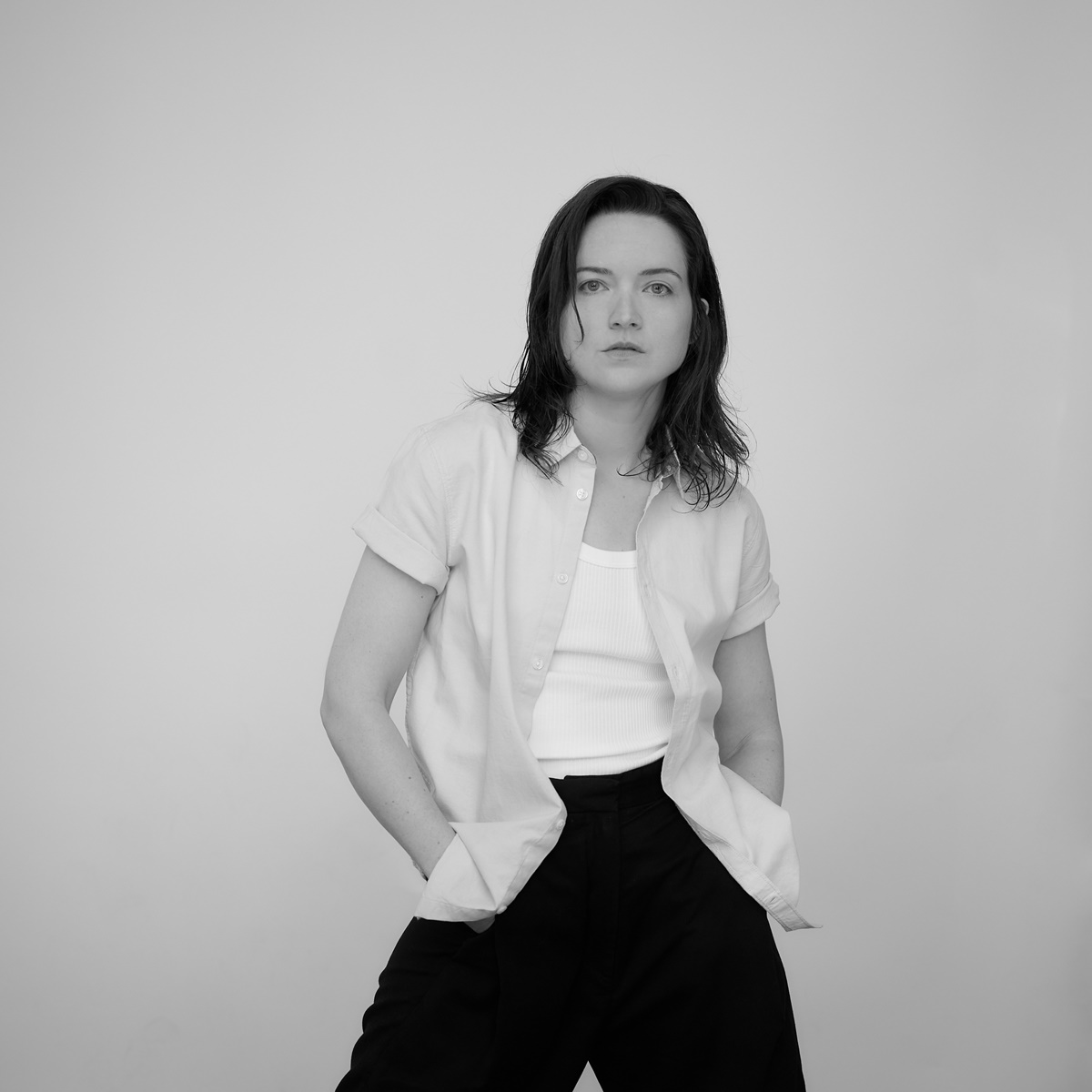
Performances & Credits
A Howland Company production in partnership with Buddies, the show runs from May 6 to 23. Opening night is May 7.
take rimbaud is directed by Buddies’ Artistic Director ted witzel (Roberto Zucco, Every Little Nookie, The Empire Trilogy’s The Scavenger’s Daughter).
In keeping with The Howland Company’s history of ensemble-driven theatre, take rimbaud will be performed by Thomas Mitchell Barnett (Witch, Harry Potter and the Cursed Child, Netflix’s Locke & Key), Courtney Ch’ng Lancaster (The Welkin, Seasons with the Shaw Festival and with Soulpepper Theatre), Julian de Zotti (USA/Netflix’s Suits, CTV/NBC’s Transplant, As I Lay Dying), Ruth Goodwin (Heroes of the Fourth Turning, Global TV’s Private Eyes, The Wolves), Breton Lalama (The Inheritance Part 1 & 2, Crave’s Really Happy Someday, Netflix’s The Madness), Cameron Laurie (The Welkin, Heroes of the Fourth Turning, Prodigal), Hallie Seline (The Welkin, The Merchant of Venice, Heroes of the Fourth Turning), and Rose Tuong (The Herald, Erased, Hamlet).
The creative team also includes set and costume designer Ting – Huan 挺歡 Christine Urquhart, lighting designer Darren Shaen, and sound designer Dasha Plett.
- Find show details and tickets [HERE].
Are you looking to promote an event? Have a news tip? Need to know the best events happening this weekend? Send us a note.
#LUDWIGVAN
Get the daily arts news straight to your inbox.