

Canadian Stage artistic director Brendan Healy will direct a modern adaptation of Henrik Ibsen’s renowned play A Doll’s House. As Healy sees it, it’s the second in a planned triptych of plays about marriage — the first being his production of Who’s Afraid of Virginia Woolf, which garnered acclaim last year.
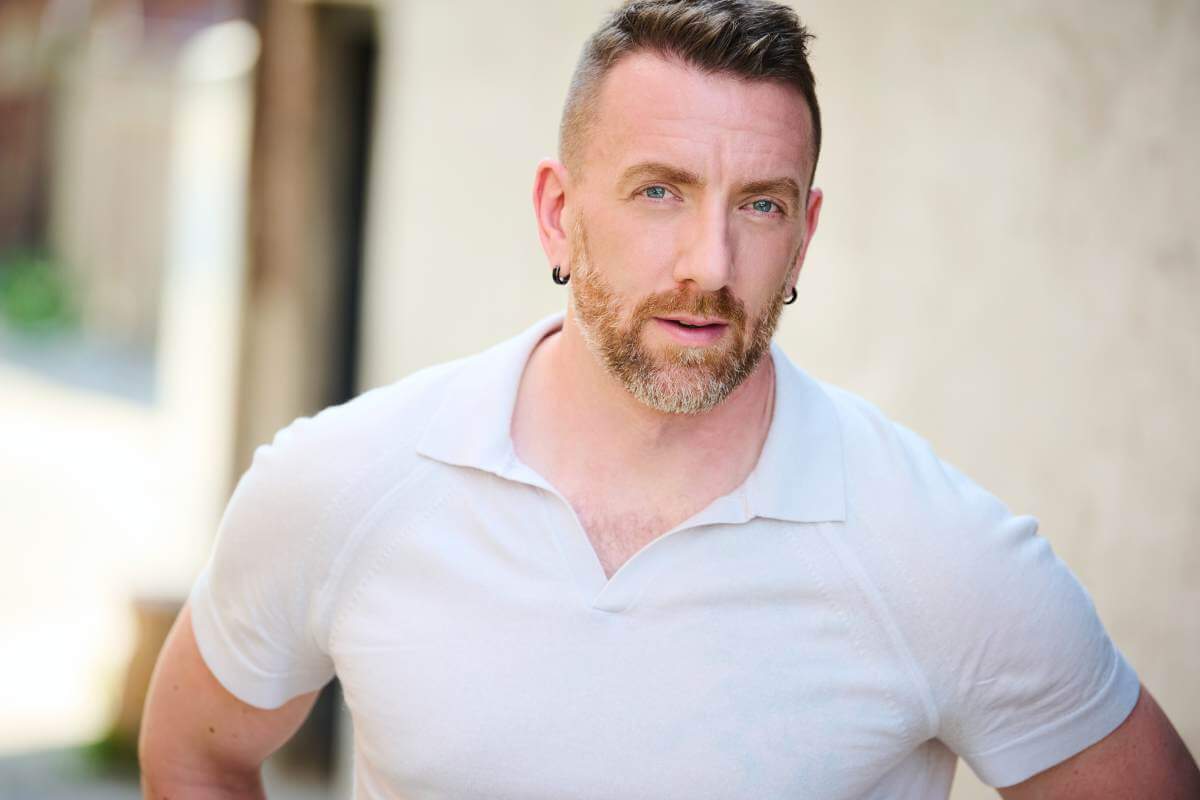
The production, which takes the stage from January 17 until February 1, stars Hailey Gillis and Gray Powell as a couple whose marriage is in crisis.
In the original play, the married couple at the centre of the story seemingly enjoy the perfect union. The wife is portrayed as somewhat frivolous, but she’s harbouring a secret. Years ago, to help her husband heal from an illness, she borrowed money under somewhat shady circumstances. The truth comes back to haunt her, and her husband in not only unsympathetic, he condemns her. The wife realizes that her dream of a happy marriage was nothing but an illusion.
Ibsen said that he didn’t intend on writing a feminist play, but at the time, his acknowledgement of how women could be trapped in marriage by a simple lack of choice was nothing short of revolutionary. In fact, the play was so controversial, it was produced in some countries with an alternative ending where the heroine stays in the marriage rather than setting out on a life of her own. Amy Herzog has written the modern version of the play, adapted from Ibsen’s original work.
With stats showing the steep decline of interest in marriage among high school seniors as charted over the last three decades, it’s certainly an interesting time to examine marriage as an institution.

Brendan Healy: Q&A
Brendan Healy answers a few questions for Ludwig Van.
LV: How has the play been adapted to make it relevant to about an audience?
BH: The play’s adapter, Amy Herzog, has basically taken this very famous Victorian play and really condensed it. Ibsen’s themes in this play actually remain very relevant regardless, but in this version Herzog has essentially distilled the language and contemporized it so that it resonates more readily right now. She has turned it into a taut, very lean story, which is more attuned to how we tell and experience stories today.
LV: What made you create a trilogy of theatre, of plays that revolve around marriage? Was it the current situation where marriage has become a kind of hot topic?
BH: Yes, that’s basically it. I think there’s a big cultural conversation happening around traditional marriage and non-traditional relationships happening right now. There’s a kind of re-evaluation of our intimate lives in society. And so, I felt like I wanted to examine that and look at marriage from the perspective of some of the great plays about it, that ask questions like, ‘What is love?’ ‘What is a good marriage?’ ‘What is not a good marriage?’ ‘How do we balance who we are as individuals and who we are as a couple?’
And A Doll’s House is really the most significant play about marriage ever written — it looks squarely at all these questions about what a good marriage is and how do we as humans find fulfillment inside our marriages. I was really excited to dive into it at this moment in time.

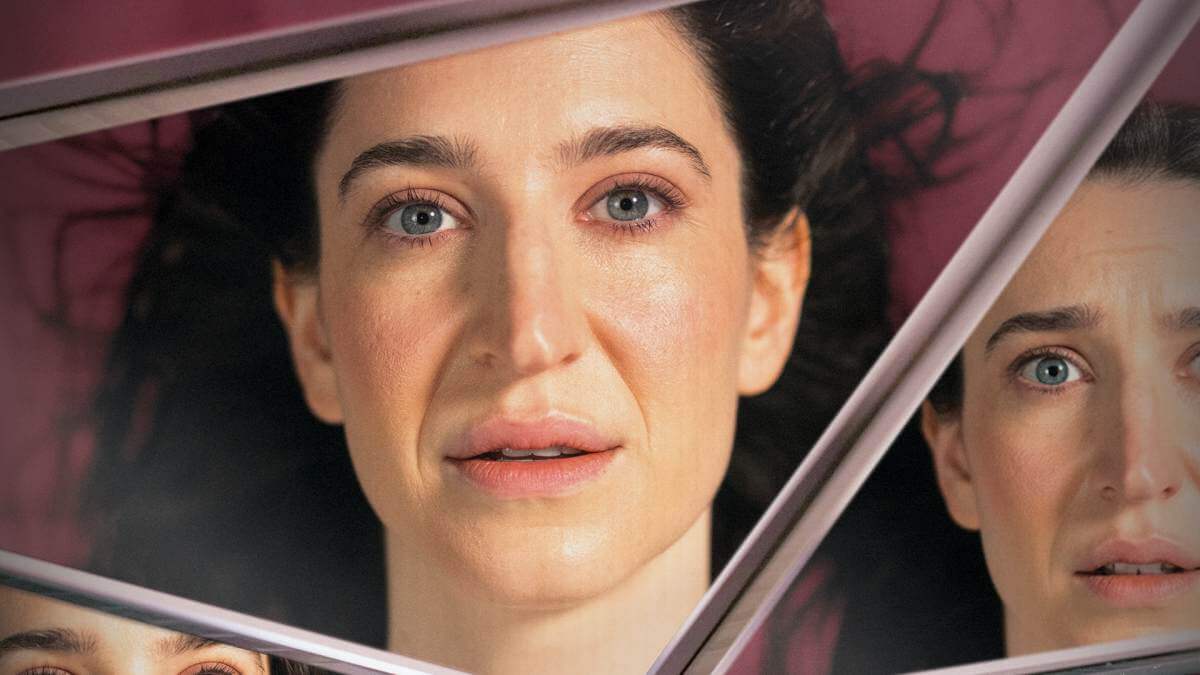
LV: Why did you choose Hailey Gillis and Gray Powell to star in the production?
BH: I chose both of these actors simply because they’re great actors. They’re really, really, really incredible performers. Ibsen requires an ability to portray complex psychologies.
He really created full human beings filled with contradictions and conflicting drives and needs, and both Gray and Hailey have this incredible capacity to be truthful and really full humans — emotionally and psychologically. For me it always comes back to finding the best actors possible for any role.
LV: What ultimately is the message of the play in its modern adaptation? Is there hope for marriage, or is it hopelessly outdated?
BH: You know, Ibsen doesn’t actually answer that question and neither does the adaptation. But Ibsen’s consistent message, if anything, is that we have a responsibility as individuals to be true to ourselves.
The purpose of our lives is to realize ourselves fully, and to do so, you have to be brave. You have to step outside of social conventions. You have to challenge gender roles and class roles that are imposed on you. And in the case of A Doll’s House, he argues that in order to love someone or be loved by someone, you have to first be very clear on who you are and have the ability to remain true to yourself. If you can’t do that, then your merit, your relationships, will be disappointing and inauthentic.
I think that’s what the play is saying, it’s not saying anything about whether marriage is valid or not. It’s just simply saying that you have to take the time to know yourself and you have to have the courage to be yourself before you can love anybody else.
The Show
Written by Amy Herzog, adapted from the play by Henrik Ibsen, and directed by Brendan Healy, A Doll’s House features Hailey Gillis as Nora, with Gray Powell, Jamie Robinson, Laura Condlln, David Collins, and Elizabeth Saunders, and introducing Athan Giazitzidis and Vera Deodato.
- Find show details and tickets [HERE].
Are you looking to promote an event? Have a news tip? Need to know the best events happening this weekend? Send us a note.
#LUDWIGVAN
Get the daily arts news straight to your inbox.