
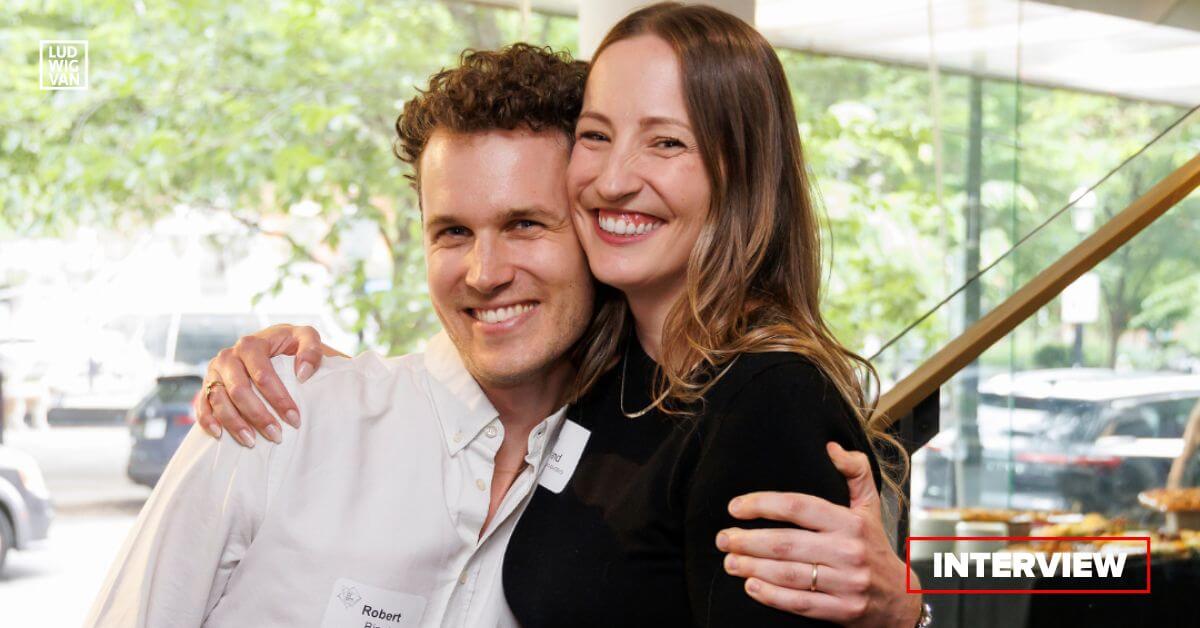
Fall For Dance North was founded in 2014 by Ilter Ibrahimof and has since become one of the most prestigious dance festivals in Canada.
Following Ibrahimof’s departure in 2024, Robert Binet was appointed artistic director and Lily Sutherland festival director. They both serve as co-executive directors.
All eyes are on the first season of FFDN that the new team has fashioned, which runs until October 26.
Robert Binet, 34, is an acclaimed choreographer with a background in mentorship, directing artist development and spear-heading the creation of new dance works.
For over a decade Lily Sutherland, 33, has been an experienced producer and programmer with a host of important Canadian dance and theatre festivals. Since 2018, she has held various programming positions at FFDN.
Our Zoom call about their first season took place with Sutherland in Toronto, and Binet in Vienna, where he was setting a work on the junior company of Wiener Staatsballett. The excerpt that follows is their in-depth conversation about FFDN’s 2025 programming.

Robert Binet & Lily Sutherland: The Interview
(With their permission, the voices of Binet and Sutherland have been combined into single answers.)
In looking at past years, the mixed bill programming seemed much more eclectic, whereas this year the signature programs seem more focused, as if they each have a specific connection.
This year we did identify a key theme within each program, but in such a way that audiences can feel introduced to a wide variety of dance forms within the connection points.
Which I think ties into your announcing that FFDN would appoint an artist-in-residence who would play a significant role in the festival.
Having an artist-in-residence was the very first thing we announced about this year’s festival. It was one of the first things we had talked about when we were discussing strategy — how can we put local artists into an international context? Because we’re an international festival, for a local choreographer to share their work alongside the work of choreographers on that level could be so inspirational, so meaningful and such an amazing learning opportunity.
That means you’re going to have an artist-in-residence every year.
And it will be a Toronto choreographer of some sort who works outside of ballet because it’s harder to have a full-time career outside of ballet. The idea is that we commission a work from the artist-in-residence, and they co-curate a signature program as well as doing some community engagement work.
We want the artist-in-residence program to be a moment when an extraordinary local choreographer can really boost their profile and work at a larger scale than they’ve ever worked at under normal circumstances. So, it’s creation, curation, and community, because you need all three to build a sustainable career.
You chose the excellent Esie Mensah to be the first artist-in-residence.
She is a choreographer we hugely admire, and we think she’s an extraordinary talent. Her work was developed to the degree where it was ready for more eyes on it.
Which is also why you’re opening FFDN with the AFROFUSION Signature Program.
Esie co-curated an Afrofusion program because she is an Afrofusion choreographer. Part of selecting an artist-in-residence is someone whose artistic profile lends itself to that kind of signature program dialogue.
We told Esie, we want to commission a new work from you, but we also want to bring two of your heroes, two of the people who work in Afrofusion like you do, but do it differently, do it internationally, people that you really want to be aligned with. And so, we worked with her to identify those people and bring them here.
Explain the differences.
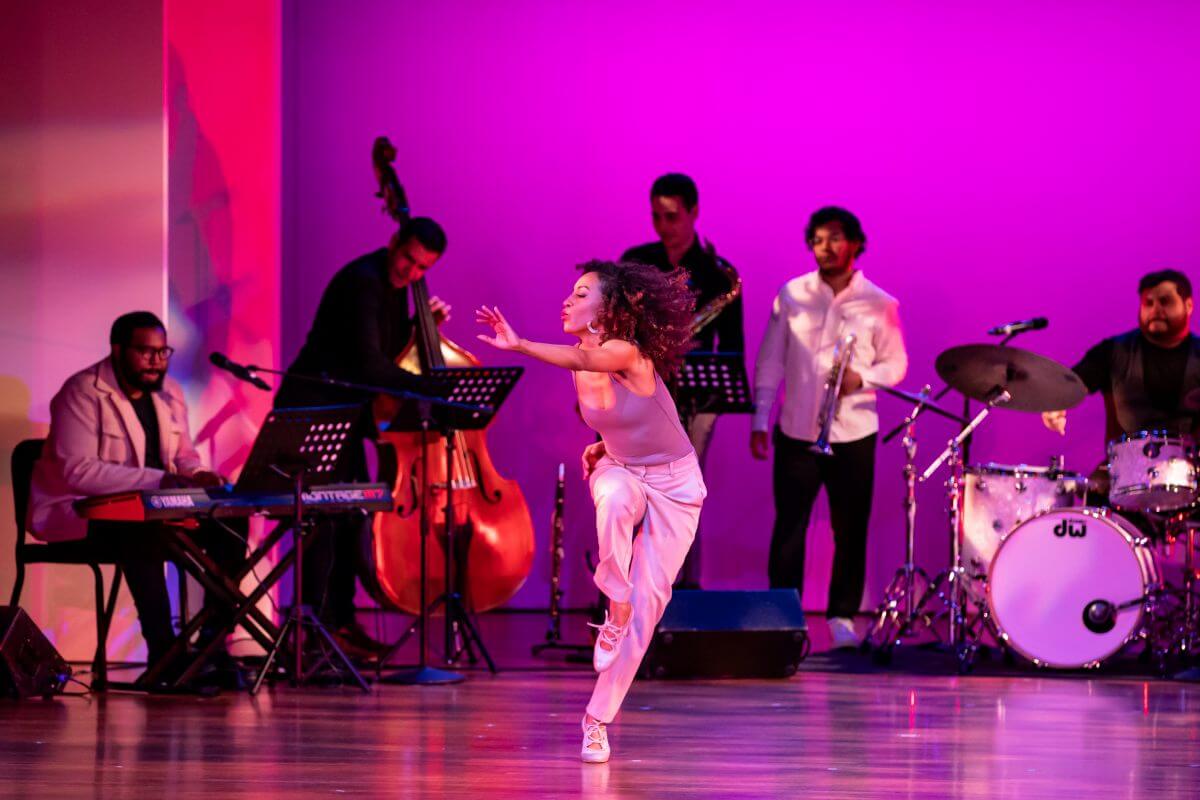
Afrofusion is so many different Afro-diasporic dance styles brought together that we can show them fused in different ways.
Esie’s work is based on traditional West African dance and samba. London’s Dickson MBI’s style is street dance and contemporary dance, and from New York, Sekou McMiller’s Afro Latin Soul focuses more on salsa, mambo, tap, and jazz.
So, you really get that full spectrum of the many different influences that exist within Afrofusion and that is what we’re hoping to convey through these performances.
About the HOMEGROWN Signature Program featuring Toronto choreographers — Esie Mensah co-curated this one as well.
To be honest, we had so many ideas on the Afrofusion program, it made sense to spread some of those ideas across two programs so we extended her co -curation here. As it turns out, HOMEGROWN is the most mixed of all three signature programs because it’s not tied together by one style of dance.
You get Reverence by Ethan Colangelo, a contemporary dance work from the National Ballet, you get street dance from Lady C, you get traditional West African dance from Lua Shayenne, and you get African street dance from Kwasi and Ambrose.
With the HOMEGROWN program, we want to really highlight what this city has, because with an international festival, we worry that people think that the day after the festival, all this stuff they’ve loved for two weeks is gone, and we really want to hammer home that these people are here, you can follow their work, because we don’t want to be a blip for two weeks, we want to be building audiences for the whole year for these artists,
What is your rationale for putting Kathak and ballet on the same signature program?
When Rob first thought about this job, one of his considerations was that FFDN was a place where he could bring Kathak and ballet together. He and Kathak dancer Tanveer Alam had often talked about the similarities and differences between the forms, and how ballet and South Asian dance have informed each other’s development. Tanveer is a co-curator on this program. He is an extraordinary Kathak dancer and choreographer
These are two dance forms that are incredibly technical, incredibly musical, with really fast footwork and really lush arm movements. They hit all the same pleasure centres for an audience member, even though they’re completely different dance forms with very different histories. This program toggles back and forth between these two forms so that people can really see the connections and the differences. And a ballet audience can fall for Kathak and a Kathak audience can fall for ballet.
And dancers from the Royal Ballet — how did you manage to swing that little cookie?
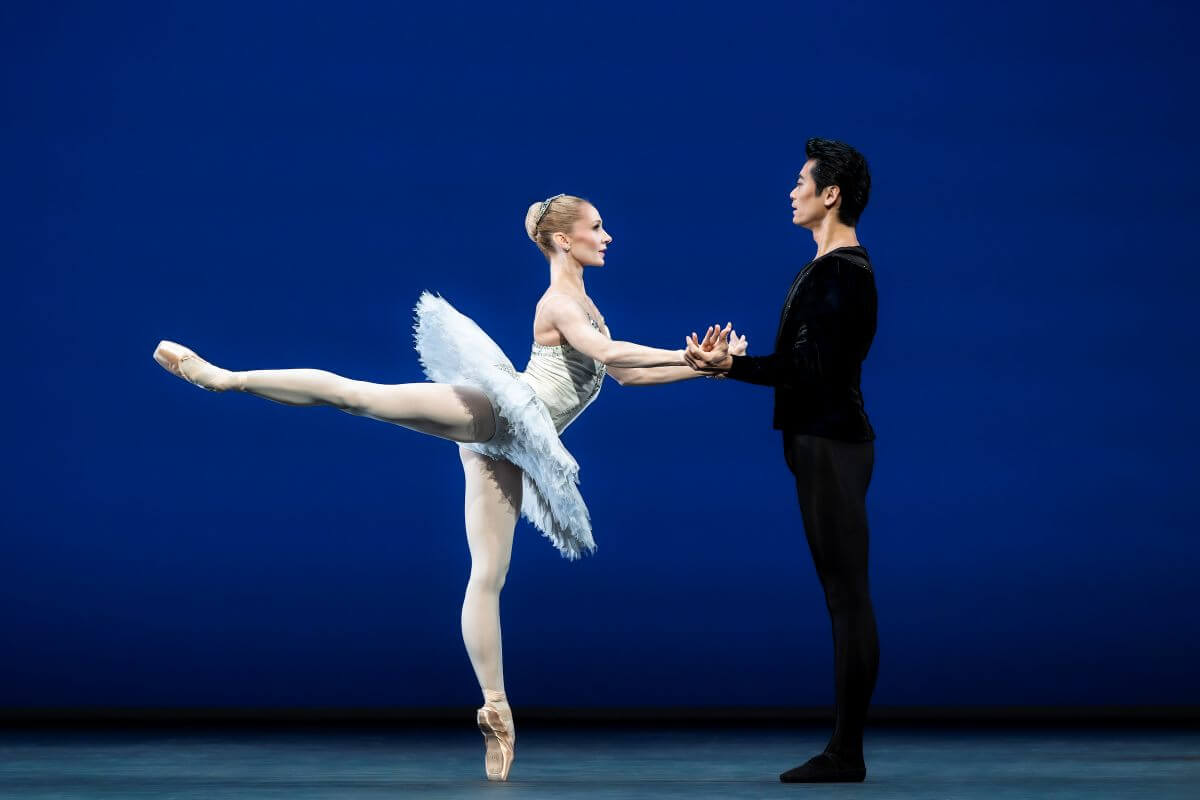
Rob has been doing a lot of work with them in the last few years, and the Royal’s artistic director Kevin O’Hare is very supportive of this idea of bringing Kathak and ballet together.
The Royal dancers are bringing works that are not often seen in Canada — some of the gems from their repertoire like Kenneth Macmillan’s Winter Dreams pas de deux , and Frederick Ashton’s Dance of the Blessed Spirits, things that are traditional, but will also be new for audiences.
It’s such an exciting role with the festival to have different conversations with ballet and put it in different frames, and have it talk about the differences between East and West, and to get to put it into dialogues like this. Such a high contrast can be really exciting, because Kathak and ballet, as connected as they are, they also are just such different visual and musical experiences.
INTIMATE PAIRINGS and UP NEXT are the two new series you have created. What is the idea behind them?
They both came from a place of us wanting to give audiences different ways to experience dance that aren’t necessarily “come sit in the theatre for an hour and a half.”
How does INTIMATE PAIRINGS fit into that definition?
With INTIMATE PAIRINGS, all the shows are 45 minutes, and every seat is a front row seat. It’s just one row of seats in the round at the Citadel.
Because when you’re really up close and when it feels really intimate, we chose works deliberately that are meant to be at their most extraordinary because that creates a memorable experience for someone and that will get them coming back to dance.
The program Braids & Heritage is part performance and part participatory line dance, a work by Montreal’s Jossua Satinée and Stacey Désilier. The second program features two solo works, gutted by Katie Adams-Gossage and Pendulum by Priyanka Tope.
You can say, you’re in the front row, it’s just 45 minutes, come on your way home from work. And hopefully they’ll take a chance on it.
And UP NEXT, what is its special feature?
The idea was we wanted to close the festival with something that doesn’t feel like an ending, but points to what’s coming up next for dance in this city.
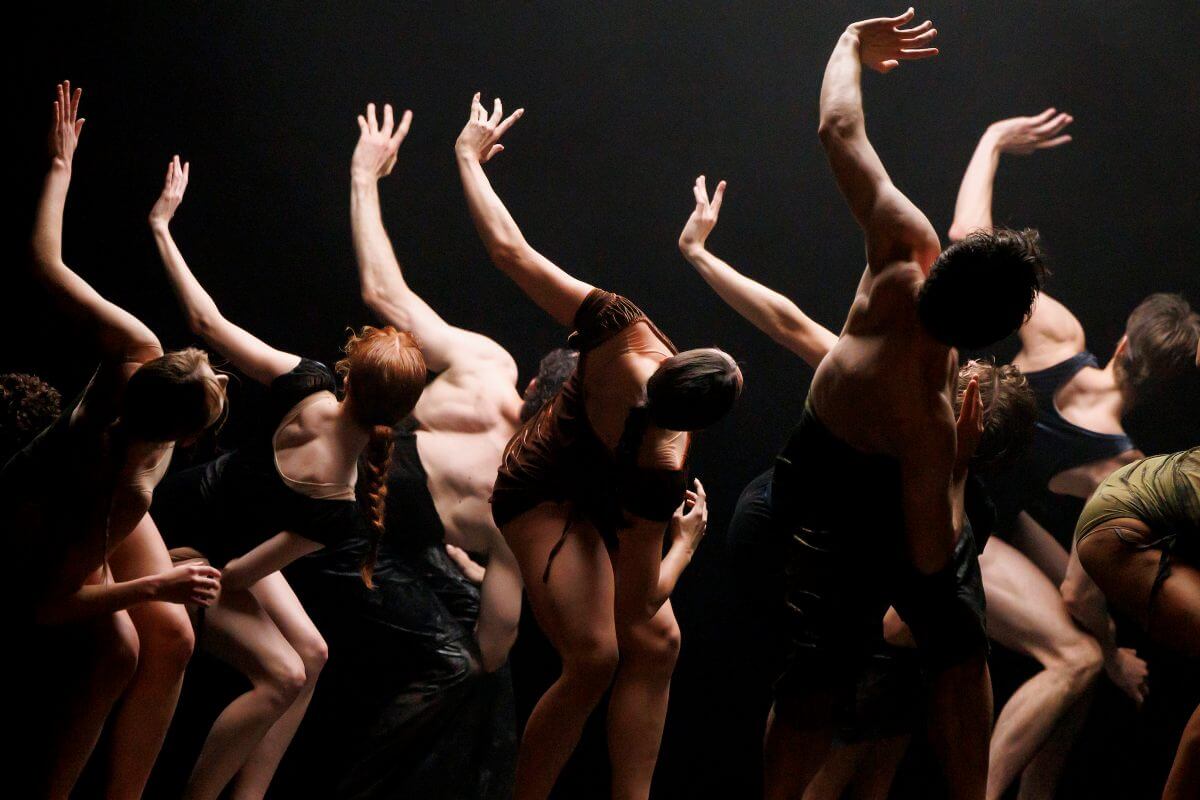
So, on the program, we’ve got a collaboration with Luminato that introduces Azzam Mohamed, who they will be presenting a larger work from down the road. We’ve got the Champion Dancers from Tkaronto Open, which is our Indigenous powwow-style dance competition. We’ve got a brand-new work from our scholar-in-residence Devon Healy and our artist -in -residence Esie Mensah that looks at how blindness and dance can interact. And, we’ve got a performance by the graduate year students from the TMU dance program choreographed by Sekou McMiller. So, it’s all meant to be things that point to where dance is going or performances that are coming up in the season.
The format is completely relaxed so people can move around, they can sit, they can stand, they can grab a drink, they can chat to their friends, they can take a photo. It’s more like a party where you get to see some great dance.
The timing runs on a loop so basically, it’s the same show that happens three times in a row Saturday, and three times in a row Sunday so people can pick the time that suits them. The ticket price is $15, and the four works all sit within a 55 minute loop, and that goes three times each day.
UP NEXT is taking place at The Great Hall at OCAD U — I didn’t even know that that venue existed. How big is it?
It can accommodate about 200 people. It’s a really beautiful space, really spacious, and very accessible. But the really nice thing is it’s three stories high and there’s balconies on levels two and three so you can also go up and get a bird’s eye view if you want.
You’re presenting Kate Hilliard and that’s another new initiative.
We’re co-presenting Kate Hilliard’s dance installation Story Creatures with the AGO. It’s a 7-hour, post apocalyptic piece about new beginnings, with two new dancers taking over each hour. It was presented as an excerpt a few years ago. She’s not dancing in it this time because there’s a lot that she would like to oversee as an outside eye. But she’s put together a wonderful cast. Any FFDN ticket gets free entry into the AGO.
It’s a really beautiful work, and we took it to the AGO and they felt like it would be a really beautiful fit with their Joyce Wieland exhibition. And so we went back to Kate and her jaw just dropped because Wieland is one of her heroes, and someone she had studied in university and who had been quite an inspiration in the development of this work. It was just one of those things that felt like the stars aligned.
And then to have that running all day, Saturday and Sunday, at the AGO when we’ve got UP NEXT on at OCAD means we’ve got a real hub of dance right downtown for the last weekend of the festival.
- Find details and tickets for Fall For Dance North [HERE].
Are you looking to promote an event? Have a news tip? Need to know the best events happening this weekend? Send us a note.
#LUDWIGVAN
Get the daily arts news straight to your inbox.