Two months after Beethoven’s 19th birthday, in 1789, Holy Roman Emperor (and Austrian monarch) Joseph II died. The outpouring of grief for a much loved king included a commission for a funeral cantata.
Beethoven unfortunately,didn’t finish his Cantata on the Death of Emperor Joseph II in time for the planned memorial concert, and so the composer never got to hear it performed.
But, like any practical craftsperson, Beethoven recycled chunks of the cantata into other pieces, including his multiple stabs at writing opera (which became Fidelio).
Joseph Haydn, one of the ever-rebellious Beethoven’s frustrated teachers, was at the peak of his pan-European fame in 1790, and we can hear distinct parallels to Haydn’s style in Beethoven’s music. Besides neat Classical-era forms, the music brims with clear efforts to underline deep emotion.
The overt emotionalism may have felt familiar to the readers of Goethe, but Severin Averdonk’s libretto comes across as seriously overwrought in 2013. Even after multiple listens, I still find that the opening (and closing) chorus, with appropriate musical punctuation, makes me laugh involuntarily:
Dead! Dead! Dead!
A moaning is heard in the desolate night: dead.
Cliffs echo the cries!
And you ocean waves, from your depths, cry out:
Joseph the great is dead!
Joseph, father of deathless deeds, is dead!
Ah, dead! Dead! Dead!

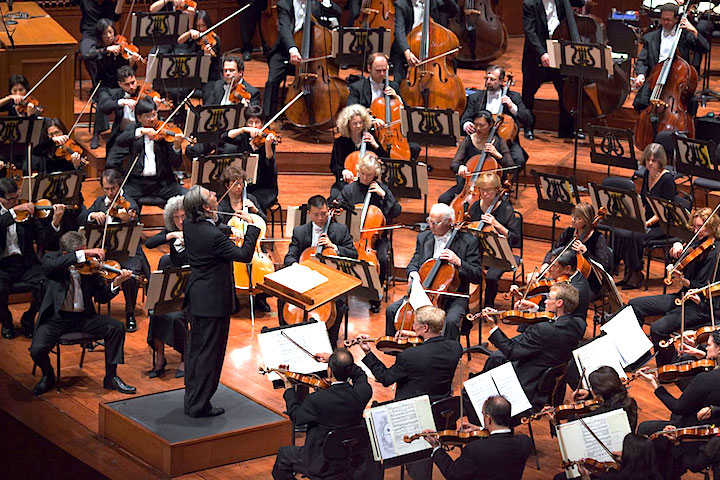
The 38-1/2 minute cantata is paired with Beethoven’s Symphony No. 2 in vibrant, big-modern-symphony sound intelligently spiked and shaped, but sounding a touch ponderous and overlarge in our historically-informed era.
You can find out a bit more about the album here.
The orchestra has also made a promotional video for the album:

John Terauds